 en
en  English
 Deutsch
719709 PHIXWELL Three-Layer Auto Repair Tool Cart
This is a **Three-Layer Auto Repair Tool Cart**, a multifunctional mobile maintenance storage device...

A tool cart with drawers is one of the most impactful organizational investments a workshop, garage, or professional service bay can make. The right unit keeps every tool visible, accessible, and protected — eliminating the time lost searching through bins or piles and reducing tool damage from improper storage. The wrong unit, however, warps under load, rolls unevenly, or features drawers that bind under the weight of heavy sockets and wrenches.
Evaluating a tool cart before purchasing comes down to five core criteria:
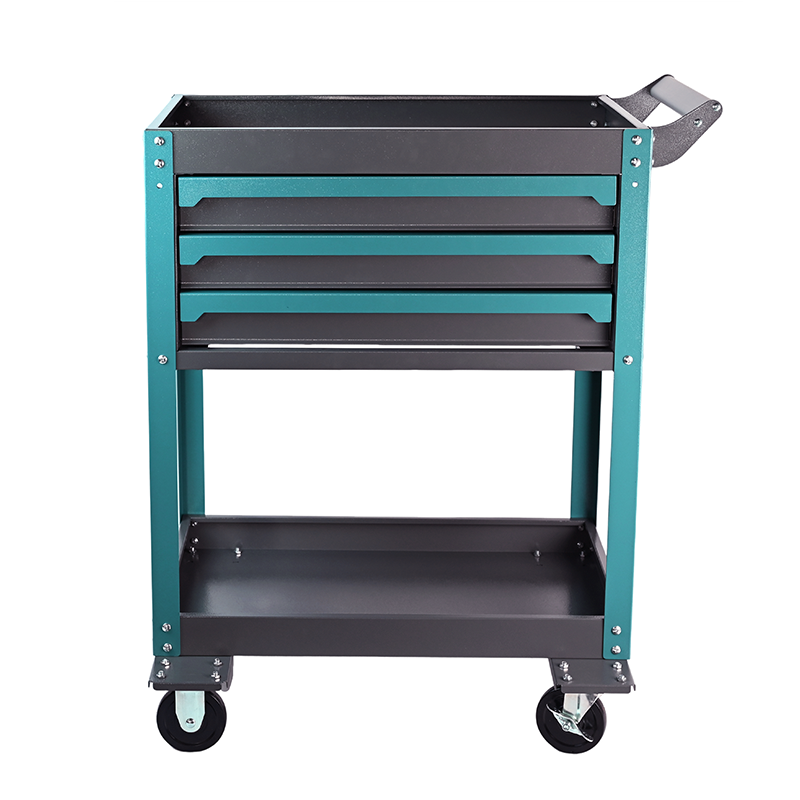
Tool carts with drawers are available in several configurations, each suited to different workspace sizes, tool volumes, and mobility requirements. Selecting the right format before comparing individual models saves significant time and avoids purchasing a unit that physically doesn't fit the intended workflow.
| Cart Type | Drawer Count | Typical Width | Best Use Case |
|---|---|---|---|
| Portable rolling cart | 3 – 5 | 40 – 55 cm | On-site technicians, small garages |
| Mid-size roller cabinet | 6 – 9 | 60 – 76 cm | Home workshop, general mechanics |
| Wide roller cabinet | 10 – 15 | 100 – 130 cm | Professional auto shop, full tool sets |
| Side cabinet add-on | 2 – 4 | 30 – 45 cm | Expansion unit for existing cabinets |
| Top chest + roller combo | 12 – 20+ | 76 – 130 cm | High-volume trade use, full tool library |
For most home mechanics and serious hobbyists, a mid-size 7- to 9-drawer roller cabinet in the 72 to 76 cm width range offers the best balance of capacity, mobility, and footprint. Professional technicians who carry a full SAE and metric socket set, multiple ratchet sizes, and specialty tools generally require a wide cabinet or a top chest and roller combination to avoid overpacking drawers — which strains slides and makes finding tools slower, not faster.
A tool cart with drawers is only as useful as its organizational system. Most people fill drawers randomly at first and then reorganize once inefficiencies become apparent — a predictable but avoidable process. Starting with a deliberate system takes 30 minutes and eliminates months of frustration.
The most effective organizational principle is task-based grouping by drawer, not tool-type grouping. Instead of putting all screwdrivers together and all pliers together, group the tools used together for specific tasks. An electrical drawer contains wire strippers, multimeters, electrical tape, and the screwdrivers used for panel work. A brake drawer holds caliper tools, bleed kits, and the sockets specific to that job. This approach cuts task setup time dramatically.
Practical organization tips:
Overbuying storage capacity is a common mistake — a half-empty cart creates clutter through loose tool migration just as surely as an overfilled one. Matching drawer count and total storage volume to the actual tool inventory produces the most functional outcome.
As a practical benchmark, a typical home mechanic's tool set of 200 to 400 pieces (including socket sets, combination wrenches in SAE and metric, pliers, screwdrivers, and assorted specialty tools) fits comfortably in a 7- to 9-drawer cabinet in the 76 cm width class — provided each drawer is organized rather than filled to capacity.
Professional technicians working from a personal tool collection of 1,000 pieces or more typically require a full top chest and roller combination totaling 15 or more drawers. In commercial shop environments, a secondary side cabinet or wall-mounted shadow board system complements the main roller to handle overflow and large items that don't fit in standard drawers.
When in doubt, buy one size larger than your current inventory requires. Tool collections grow faster than anticipated, and replacing a cart within two years because it's outgrown is more expensive than spending slightly more upfront for additional capacity.
A quality steel tool cart with drawers requires minimal but consistent maintenance to perform reliably over a decade or more of heavy use. The most common failure points — drawer slides and casters — are both preventable with routine attention.
A well-maintained professional-grade tool cart with drawers is a genuinely lifetime purchase — major brands offer replacement parts including slides, casters, and lock cylinders that extend serviceability well beyond the original warranty period. Treating maintenance as an ongoing practice rather than a reactive repair keeps the cart functional and protects the tool investment it houses.
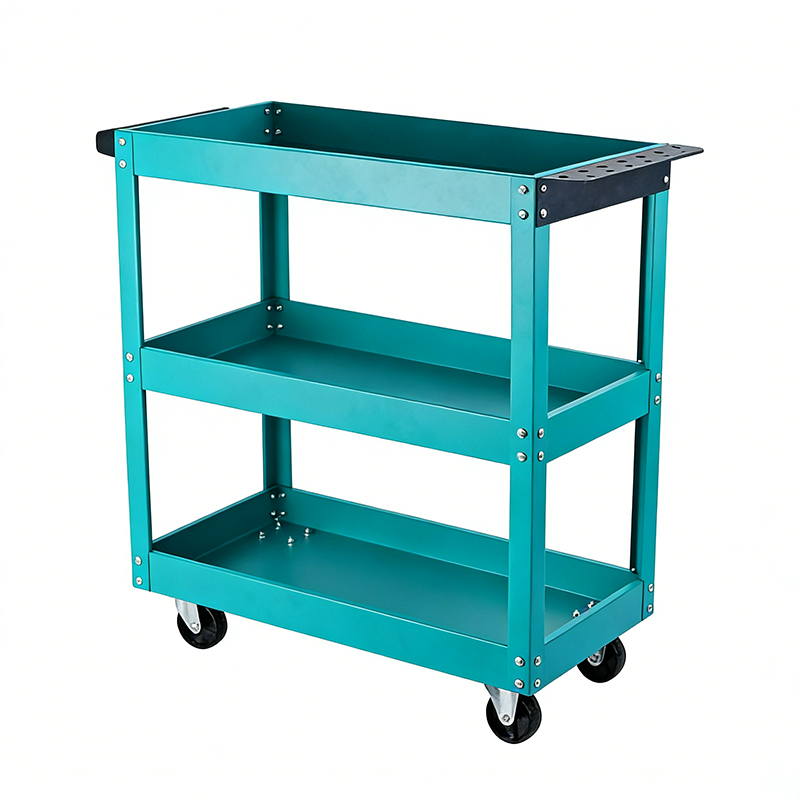
This is a **Three-Layer Auto Repair Tool Cart**, a multifunctional mobile maintenance storage device...
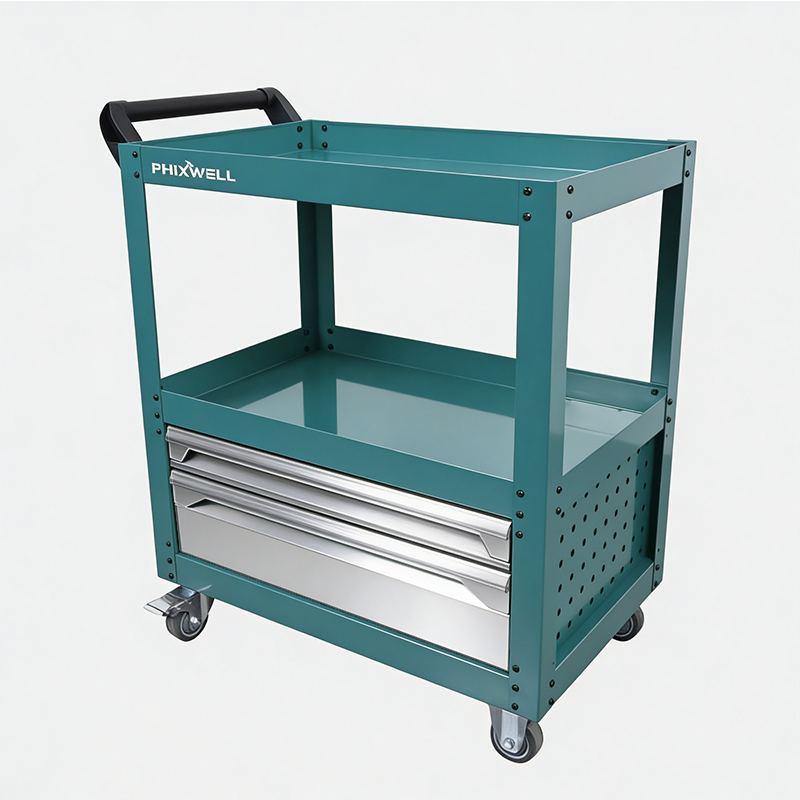
This is a multifunctional tool cart designed specifically for auto repair, maintenance, or industria...
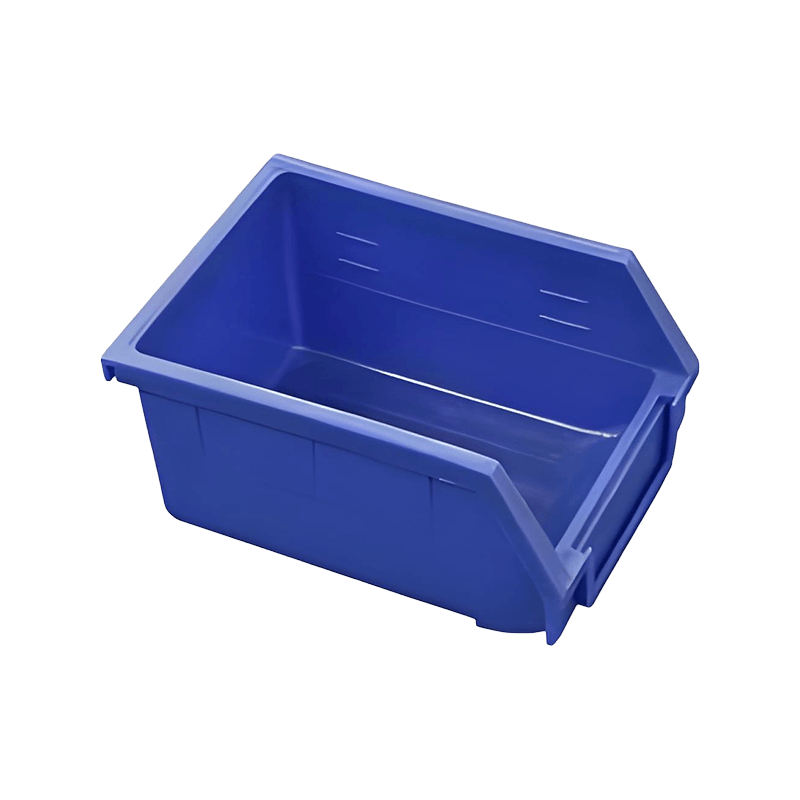
Storage of scattered items: Specifically designed to store small components such as screws, nuts, wa...
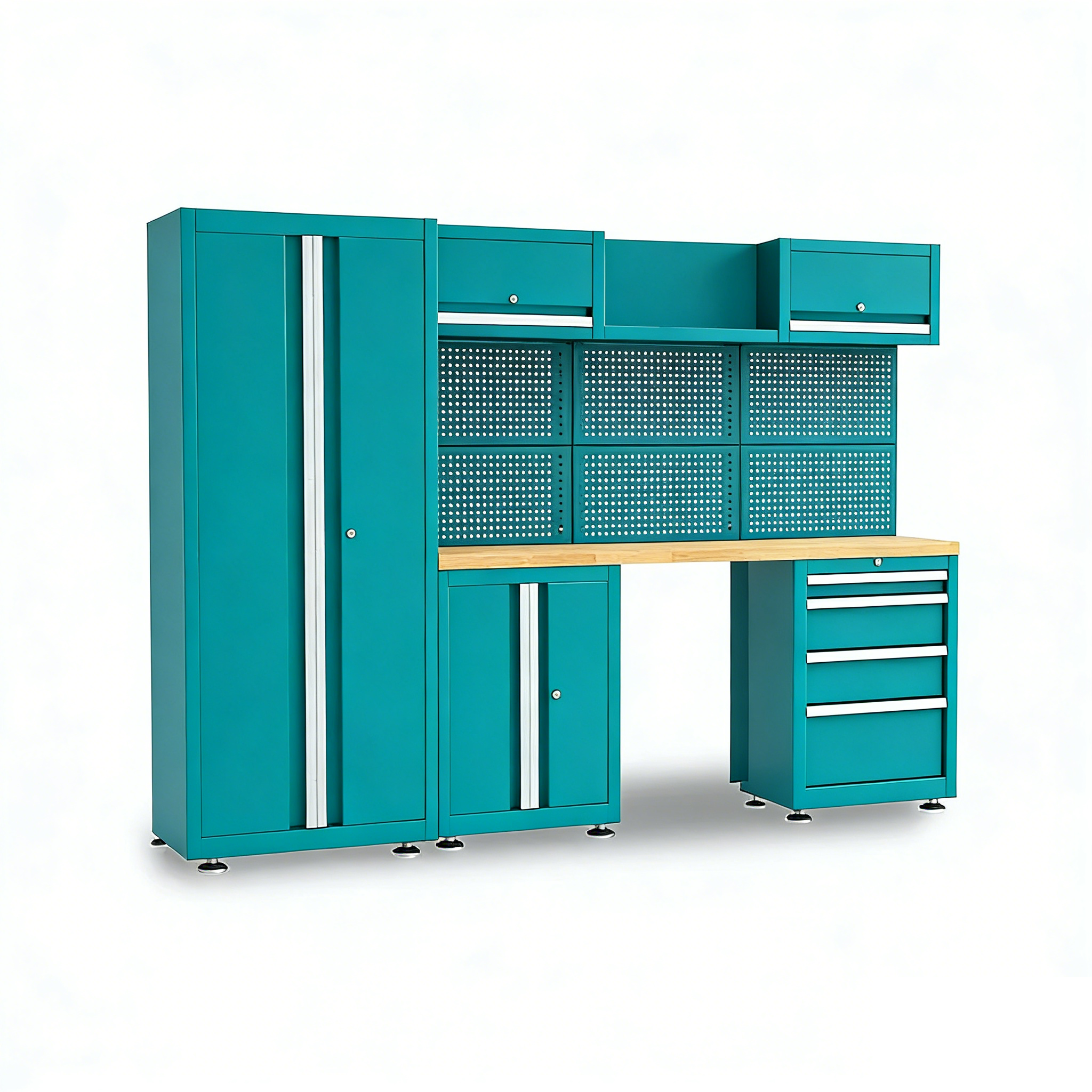
Multifunctional Tool Storage Combination Cabinet Material and appearance: Made of premium cold steel...
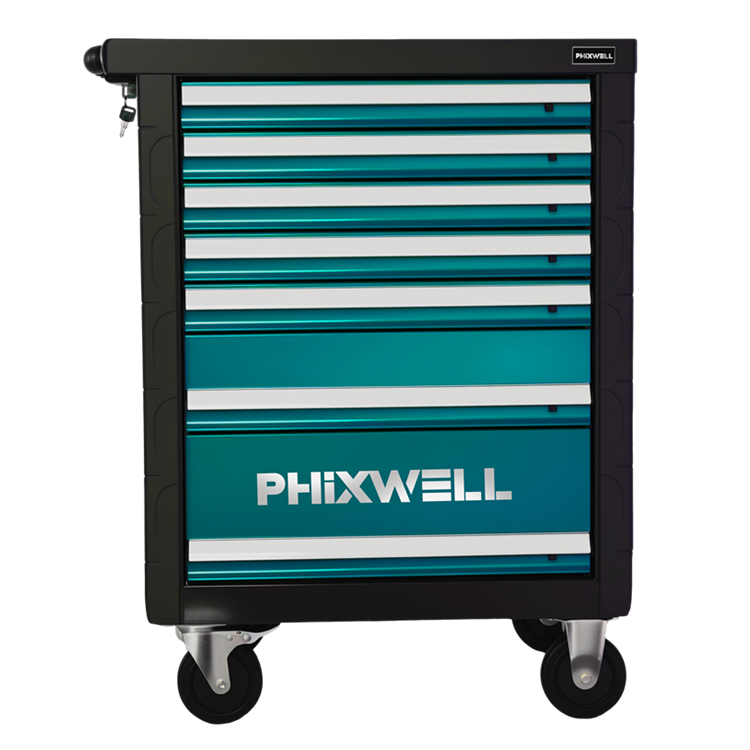
The PHIXWELL 7-Drawer Tool Cabinet (Model 719511) is a premium, versatile mobile storage solution de...
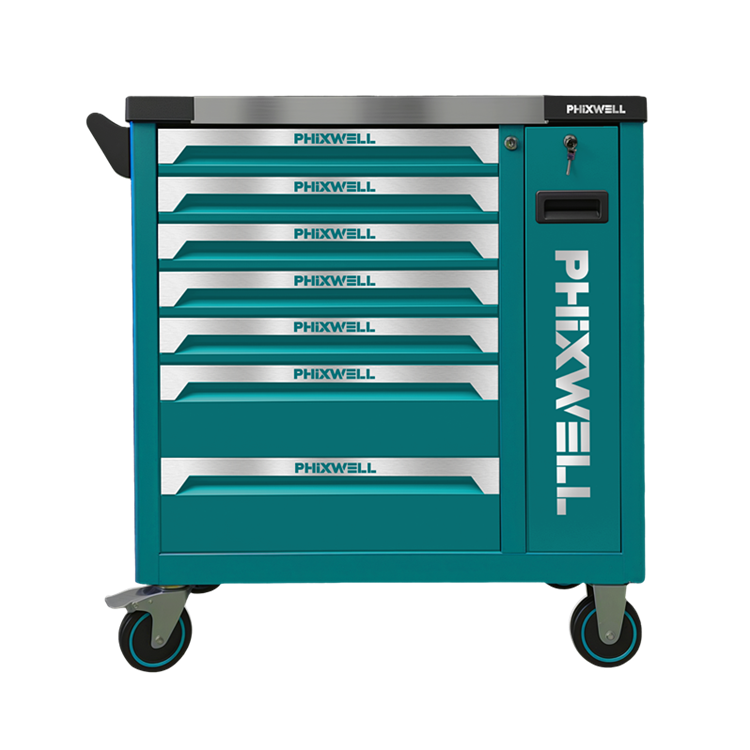
Solve the problem of disordered and missing tool parts, bid farewell to the chaos of wrenches, screw...
Our annual output of more than 100,000 tool cabinet can meet the needs of customers with different purchase volumes.

+86-18658800788
+86-0512-58499000

New City Industrial Park, No. 108 Sizha Road, Yangshe Town, Suzhou, Jiangsu, China

