 en
en  English
 Deutsch
Workshop Modular Storage Combination Cabinet
# Workshop Modular Storage Combination Cabinet (Model 719610) Product Introduction This workshop sto...

A tool cart with drawer is a mobile storage unit designed for organizing, transporting, and protecting hand tools, power tools, and accessories in workshop, industrial, and maintenance environments. These systems combine vertical drawer storage with wheeled mobility, enabling technicians to move entire tool collections directly to job sites rather than making repeated trips to stationary toolboxes. Standard configurations range from compact two-drawer units measuring 600mm in height to comprehensive seven-drawer systems exceeding 1000mm in overall dimension.
The defining characteristic separating tool carts from basic utility carts lies in the enclosed drawer mechanism. Drawers provide secure, dust-protected storage with individual weight ratings typically between 25 kg and 45 kg per drawer, while open-shelf alternatives expose tools to contamination and potential damage. This enclosed design proves essential for precision instruments, electronic diagnostic equipment, and calibrated measuring tools requiring environmental protection.
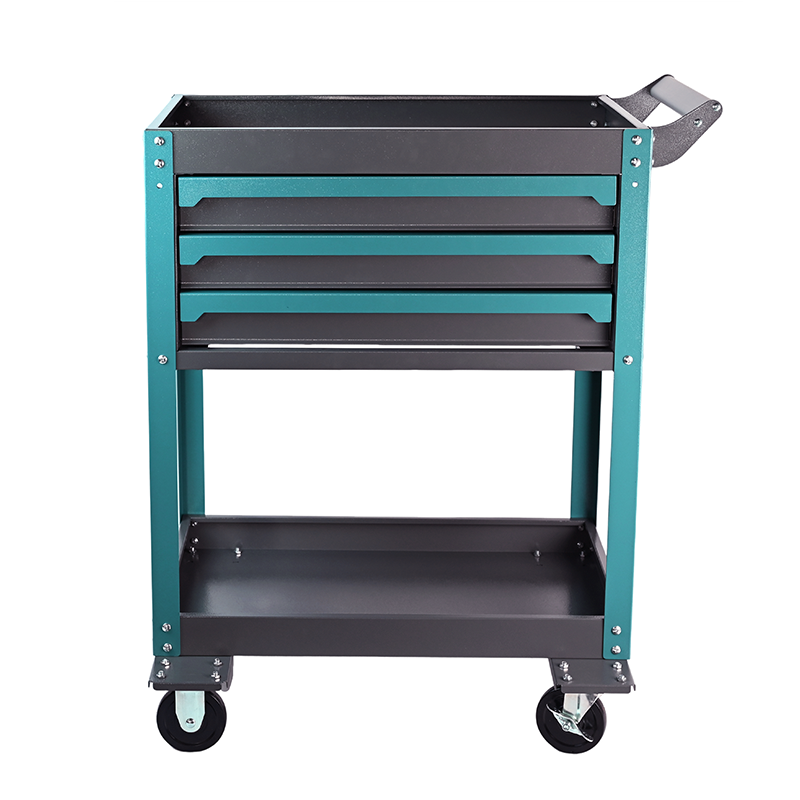
Durability and load capacity of tool carts with drawers depend fundamentally on material selection, gauge thickness, and manufacturing precision. Industrial-grade units utilize construction methods that withstand decades of daily use in demanding environments.
| Component | Material | Thickness/Specification | Load Capacity |
|---|---|---|---|
| Cabinet Body | Cold-rolled steel | 0.8-1.2mm | Structural integrity |
| Drawer Slides | Steel ball bearing | 45-55mm width | 35-50 kg per pair |
| Work Surface | Steel with rubber mat | 1.0-1.5mm steel | 200-300 kg distributed |
| Casters | Polyurethane on steel | 100-125mm diameter | 100-150 kg per caster |
| Drawer Bodies | Galvanized steel | 0.6-0.8mm | 25-45 kg per drawer |
Full-extension ball bearing slides represent the industry standard for professional tool carts, allowing drawers to extend 100% of their depth for complete access to rear contents. These systems utilize hardened steel balls circulating in precision-machined races, providing smooth operation under full rated loads. High-end implementations feature soft-close dampeners that prevent drawer slamming and anti-tip interlocks preventing multiple drawers from opening simultaneously, which could cause cart instability.
Tool carts with drawers accommodate diverse tool collections through varied drawer heights, quantities, and internal configurations. Selecting appropriate arrangements maximizes storage density while maintaining tool accessibility.
Common layouts include combinations of shallow drawers (50-75mm height) for small hand tools and fasteners, medium drawers (100-150mm) for power tools, and deep drawers (200mm+) for bulky equipment. A typical five-drawer cart might feature two shallow drawers at top, two medium drawers in the middle, and one deep bottom drawer. This graduated sizing places frequently accessed small items at ergonomic heights while storing heavy equipment low for stability.
Customizable drawer interiors include molded plastic organizers with specific cavities for socket sets, wrench collections, and screwdriver assortments. Foam inlay systems allow users to create custom tool shadows that indicate missing items and prevent movement during cart transport. Some configurations incorporate lockable compartments for valuable instruments or hazardous materials requiring access control.
The mobility component distinguishes tool carts from stationary tool chests, requiring careful caster selection based on floor surfaces, load requirements, and environmental conditions.
Industrial tool carts utilize casters with load ratings significantly exceeding actual weights to ensure smooth rolling over obstacles and floor imperfections. A fully loaded cart weighing 200 kg requires casters rated minimum 75 kg each (300 kg total) to provide safety margins and prevent bearing fatigue. Wheel diameter affects obstacle clearance; 125mm wheels roll over expansion joints and threshold transitions that stall 75mm wheels. Swivel casters on all four corners provide maneuverability in tight spaces, while two rigid and two swivel casters offer directional stability for long-distance transport.
Polyurethane wheels suit concrete and epoxy-coated industrial floors, providing non-marking operation and chemical resistance. Rubber wheels offer superior traction on smooth surfaces but degrade faster under oil exposure. Phenolic resin wheels withstand extreme temperatures and heavy loads but transmit more vibration. For rough or debris-covered floors, pneumatic or semi-pneumatic tires absorb impacts but add maintenance requirements and reduce load capacity.
Implementing tool carts with drawers generates measurable productivity improvements by reducing tool retrieval time, minimizing physical strain, and organizing workspace layouts.
Studies in manufacturing maintenance departments indicate technicians spend 15-20% of work time locating and retrieving tools from centralized storage. Mobile tool carts reduce this overhead by 60-75%, delivering tools directly to job locations. For a technician earning $30 hourly, this efficiency gain translates to $3.60-$4.50 daily savings, recovering tool cart investment within 6-12 months depending on configuration costs.
Properly configured tool carts position frequently used tools between knee and shoulder height, eliminating bending and reaching motions that cause musculoskeletal strain. The work surface provides a stable platform for tool preparation and subassembly operations at comfortable working heights. Weight distribution across four wheels reduces push forces by 70% compared to dragging toolboxes, complying with ergonomic guidelines for manual material handling.
Protecting valuable tool investments requires security measures integrated into cart design, particularly in shared workshop environments or facilities with multiple shifts.
Central locking systems engage all drawers simultaneously through a single key turn, preventing unauthorized access while allowing quick securing during breaks or shift changes. Tubular cam locks provide basic security suitable for general workshop use, while disc detainer or pin tumbler locks offer higher resistance to picking for environments with security concerns. Electronic keypad locks eliminate key management issues and provide audit trails of access in high-security applications.
Beyond drawer locks, comprehensive security includes mounting provisions for cable locks securing the entire cart to fixed structures overnight. Some industrial facilities implement tool shadowing systems with check-out logs, where tool cart drawers contain specific inventories checked at shift changes. GPS tracking devices hidden in cart frames enable location recovery for high-value mobile units used across large facilities or construction sites.
Different sectors adapt tool cart with drawer configurations to address specialized requirements ranging from cleanroom compatibility to explosive atmosphere safety.
Automotive technicians require tool carts accommodating heavy impact wrenches, diagnostic scanners, and specialized pullers. Configurations feature reinforced drawers rated 50+ kg, power strip integration for charging cordless tools, and pry bar holders on cart sides. Oil-resistant casters withstand petroleum contamination common in service bays. Top work surfaces incorporate stainless steel or chemical-resistant coatings for cleaning solvent compatibility.
Biomedical engineering and laboratory maintenance utilize stainless steel tool carts with sealed drawer systems preventing contamination accumulation. Electropolished surfaces eliminate crevices where bacteria colonize, while antimicrobial powder coatings inhibit pathogen growth on handles and work surfaces. These units comply with FDA and Joint Commission standards for equipment used in patient care areas or pharmaceutical manufacturing.
Aerospace tool carts incorporate shadow foam cutouts precisely matching calibrated torque wrenches and measurement instruments, ensuring Foreign Object Debris (FOD) prevention. ESD-safe configurations feature conductive casters and grounded work surfaces protecting sensitive electronics. Weight tracking systems monitor tool presence, preventing tools from being inadvertently left inside aircraft assemblies during maintenance operations.
Evaluating tool cart with drawer options requires systematic assessment of intended use patterns, environmental conditions, and total cost of ownership beyond initial purchase price.
Calculate total tool weight including future acquisitions, then select carts with 50% capacity margin above current requirements. A technician with 80 kg of tools should choose a cart rated 120 kg minimum. This margin accommodates tool accumulation over time and prevents caster bearing wear that occurs when operating near maximum ratings. Consider dynamic loads from rolling over obstacles, which momentarily increase forces on individual casters.
Premium tool carts feature fully welded seams rather than spot-welded or bolted construction, providing superior rigidity under load. Drawer slide specifications should indicate cycle testing results; quality slides endure 50,000+ open-close cycles without degradation. Warranty terms serve as quality proxies, with professional-grade units carrying 5-10 year structural warranties and lifetime slide guarantees. Examine replacement parts availability, as caster and slide wear eventually requires maintenance regardless of initial quality.
Proper maintenance extends tool cart service life from typical 5-7 years to 15+ years, maximizing return on investment and preventing unexpected failures during critical operations.
Monthly maintenance includes caster inspection for debris entanglement and bearing lubrication with light machine oil. Drawer slide tracks require cleaning to remove metal chips and abrasive dust that accelerate wear. Lock mechanisms benefit from graphite lubrication preventing key sticking. Quarterly inspections should examine weld integrity at caster mounts and handle attachments, addressing stress cracks before catastrophic failure.
Casters represent the highest-wear components, typically requiring replacement every 3-5 years in industrial environments. Maintaining spare casters prevents downtime when failures occur. Drawer slides last 7-10 years under normal use but degrade faster if consistently overloaded. Replacement slide installation requires precise alignment to prevent binding; professional installation ensures proper function. Cabinet repainting or powder coating every 10 years addresses cosmetic corrosion and maintains professional appearance.
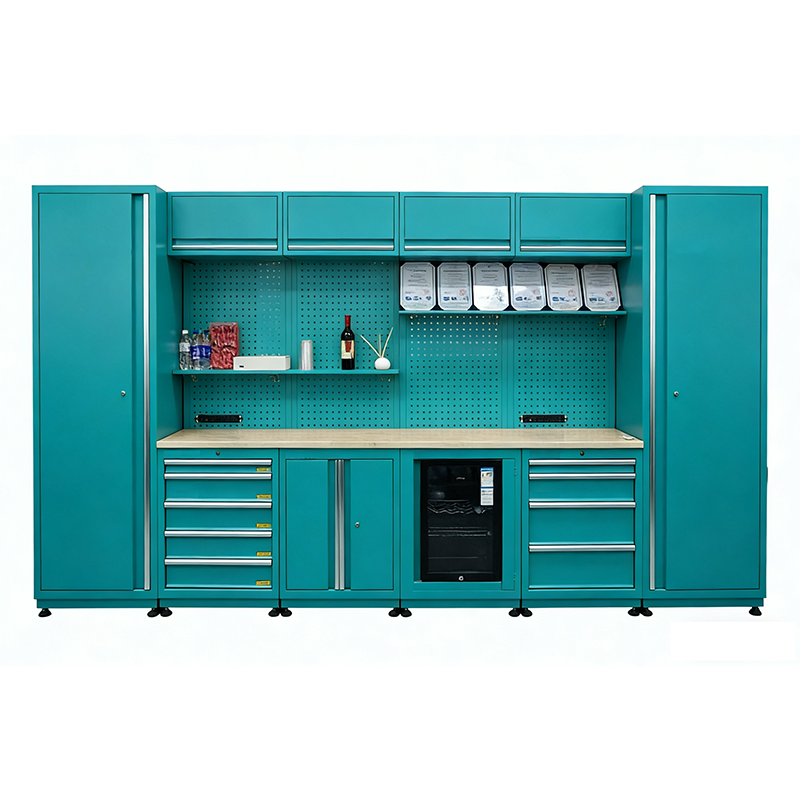
# Workshop Modular Storage Combination Cabinet (Model 719610) Product Introduction This workshop sto...
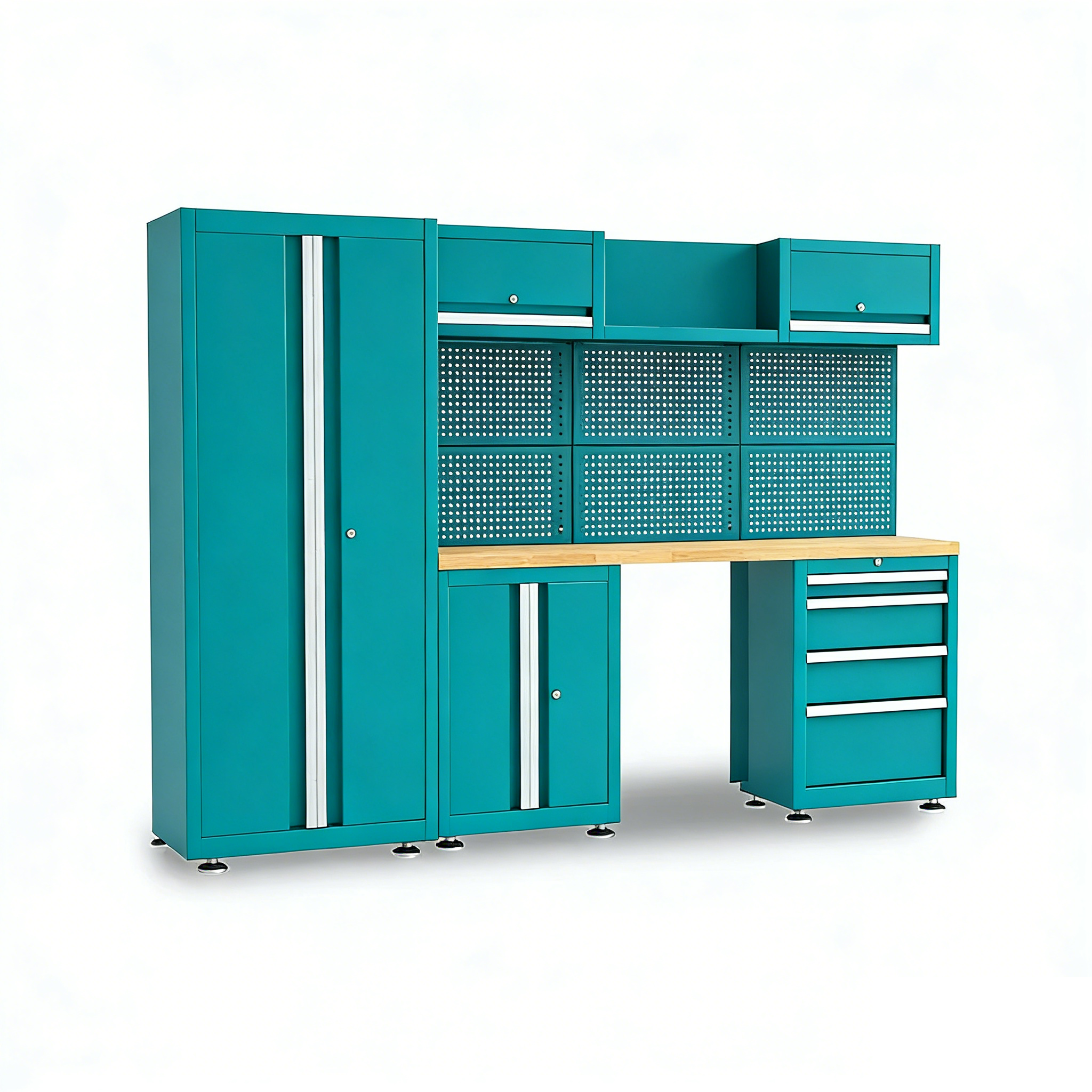
Multifunctional Tool Storage Combination Cabinet Material and appearance: Made of premium cold steel...
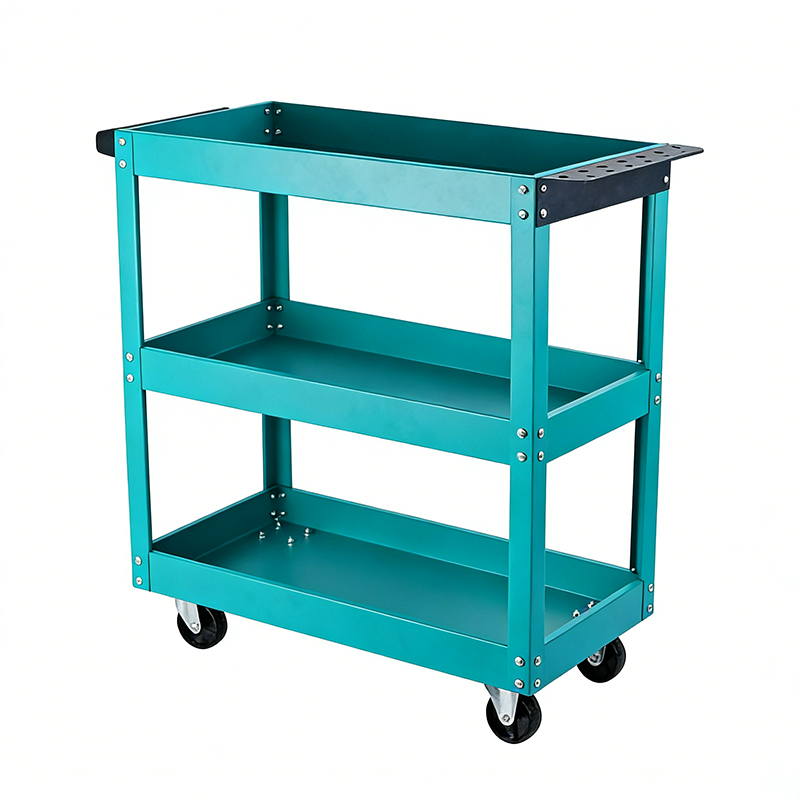
This is a **Three-Layer Auto Repair Tool Cart**, a multifunctional mobile maintenance storage device...
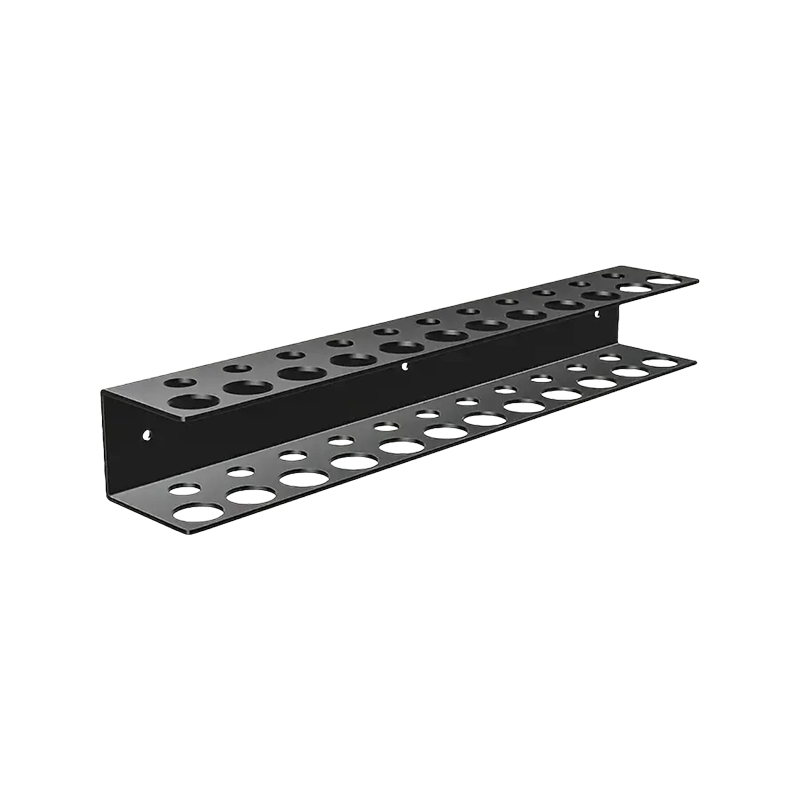
Clear classification: Usually, there are multiple independent slots or hooks, which can be divided a...
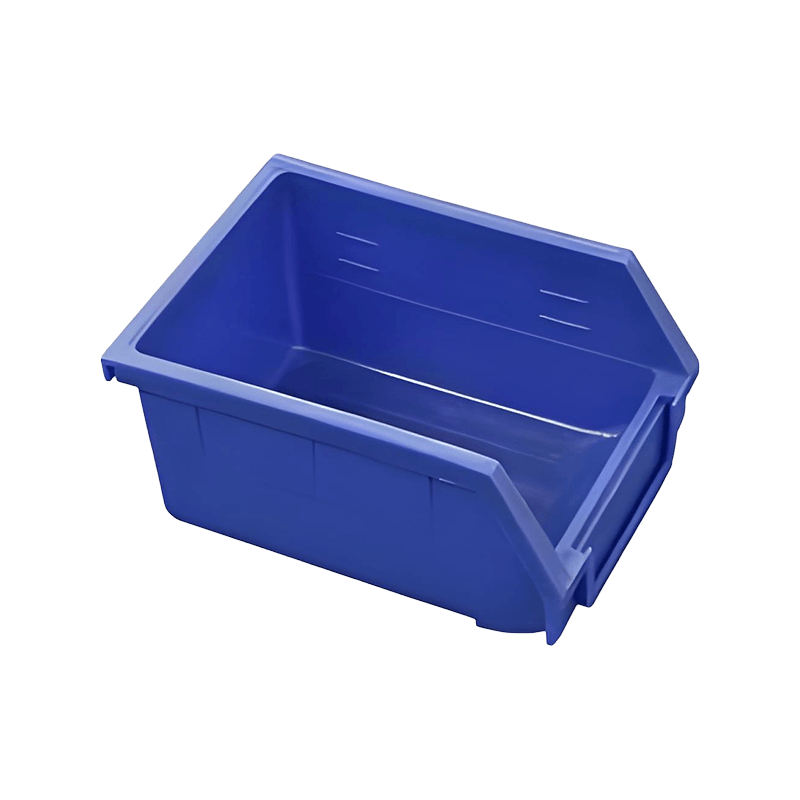
Storage of scattered items: Specifically designed to store small components such as screws, nuts, wa...
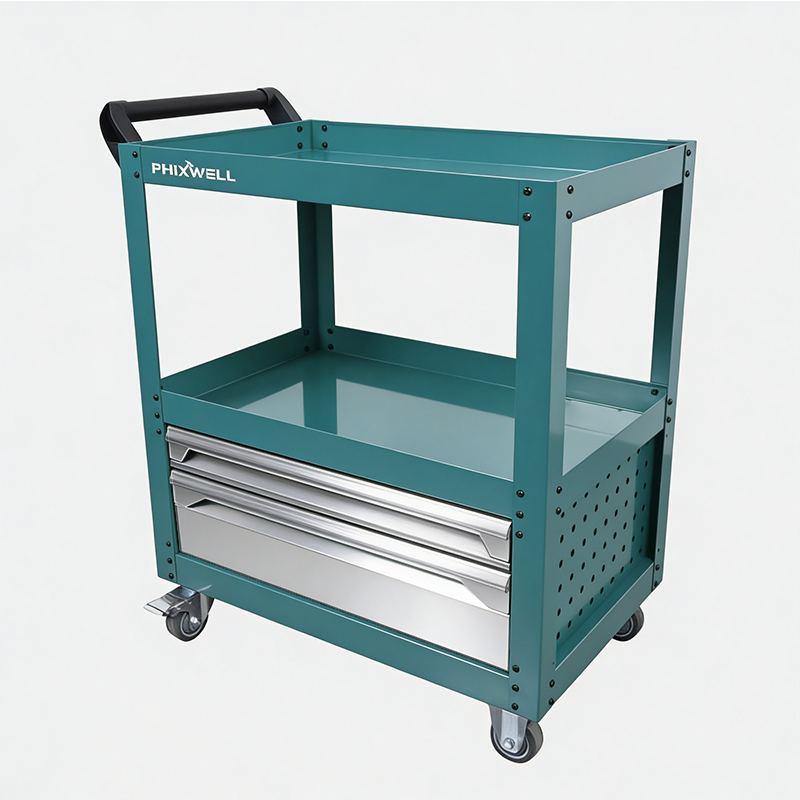
This is a multifunctional tool cart designed specifically for auto repair, maintenance, or industria...
Content
Our annual output of more than 100,000 tool cabinet can meet the needs of customers with different purchase volumes.

+86-18658800788
+86-0512-58499000

New City Industrial Park, No. 108 Sizha Road, Yangshe Town, Suzhou, Jiangsu, China

