 en
en  English
 Deutsch
Multifunctional Tool Cart
This is a multifunctional tool cart designed specifically for auto repair, maintenance, or industria...

A multi-tool workstation is a purpose-built bench or table system designed to hold, guide, and extend the capabilities of oscillating multi-tools—and in many configurations, also accommodate routers, jigsaws, circular saws, and rotary tools within a single unified work surface. Rather than using these power tools freehand, the workstation locks them in a fixed position so the workpiece is moved against the tool, delivering greater precision, repeatability, and safety for cutting, sanding, rasping, and grinding tasks.
The concept addresses a practical limitation: oscillating multi-tools are among the most versatile handheld tools available, but freehand control over cut depth, angle, and straight-line tracking is inherently inconsistent. A dedicated workstation transforms them from rough-work instruments into precision workshop fixtures suitable for joinery, inlay work, flush trimming, and fine finish sanding.
Not all multi-tool workstations are built to the same standard. Understanding the functional role of each component helps in identifying which specifications actually matter for a given workflow:
The mounting plate or cradle system must securely grip the tool body without flex or vibration transmission to the table surface. Universal mounting systems with adjustable clamps accept a wider range of tool brands; proprietary mounts offer tighter fit but restrict compatibility. Look for anti-vibration dampening between the tool mount and work surface—unchecked vibration accelerates fatigue in the table structure and degrades cut quality over time.
The table surface should be flat to within ±0.2 mm across its full length and resistant to scoring from workpiece edges. Aluminum and MDF with melamine laminate are common; cast iron is used in premium configurations for thermal stability and mass. An adjustable parallel fence with fine-adjustment capability (typically ±0.5 mm per increment) is essential for repeatable rip cuts and guided sanding passes.
Plunge depth control—allowing the blade or accessory to extend a precise, repeatable distance above the table surface—is what separates a true workstation from a simple clamping jig. Indexed angle tilts (typically 0–45° in 15° increments, with fine adjustment) enable bevel cuts and angled sanding profiles without repositioning the workpiece by hand.
Oscillating tools generate significant fine dust, particularly during sanding and cutting MDF or composites. A workstation with an integrated dust port (typically 35–38 mm diameter) that connects directly to a shop vacuum removes debris at the source, protecting both the operator's lungs and the tool's motor from abrasive particulate ingestion.
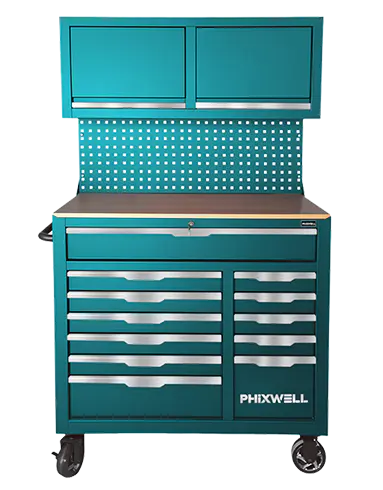
A common workshop dilemma is whether to invest in individual dedicated tables—a router table, a belt sander table, a jigsaw table—or consolidate into one multi-tool workstation. The trade-offs depend heavily on shop space, budget, and the variety of work being done.
| Factor | Multi-tool Workstation | Dedicated Single-tool Tables |
|---|---|---|
| Floor Space | One footprint for multiple tools | Separate footprint per tool |
| Setup Time | Tool changeover required between operations | Each tool always ready to use |
| Capital Cost | Lower — one station, multiple functions | Higher — individual purchase per function |
| Precision Ceiling | Good; limited by universal mount tolerances | Higher; optimized for one tool geometry |
| Best For | Small shops, hobbyists, varied project types | Production shops, high-volume repetitive work |
For workshops under 20 m², the multi-tool workstation is almost always the more practical solution. Production environments processing hundreds of identical parts daily will typically justify the space and cost of dedicated machinery.
Moving an oscillating or rotary multi-tool into a fixed workstation position opens up tasks that are genuinely difficult or unsafe to perform freehand:
With a straight-cut blade locked at a precise depth, a workstation allows consistent flush trimming of edge banding, dowels, and plug inserts to within fractions of a millimeter of the surrounding surface—a result that freehand oscillating work cannot reliably achieve.
Clamping a sanding pad accessory in a fixed, slightly elevated position turns the workstation into a flat sanding station for small components. The workpiece is moved across the abrasive surface with full two-handed control over pressure and direction—significantly safer and more consistent than bringing a moving sander to a small part.
For tile and masonry applications, a workstation with a depth-controlled grout blade allows removal to a precise, uniform depth across multiple joints without the inconsistency and fatigue of sustained freehand oscillating work.
With a circle-cutting jig or template guide attached to the workstation fence system, repeatable curved or radius cuts become achievable—expanding the oscillating tool's cut geometry well beyond its typical straight-line plunge applications.
A multi-tool workstation delivers its full benefit only when properly calibrated and maintained. Several practices make a measurable difference to long-term accuracy and reliability:
The market ranges from lightweight hobby-grade plastic-framed stations under $100 to heavy-duty aluminum-frame professional systems exceeding $500. Matching the workstation to actual use patterns—rather than buying on headline feature count—avoids both under-specification and unnecessary expenditure.
Regardless of budget tier, the single most impactful specification to verify before purchase is compatibility with the multi-tools already in your inventory. A workstation that cannot securely and rigidly mount your existing tools delivers none of its intended precision benefits, regardless of how well it is built.
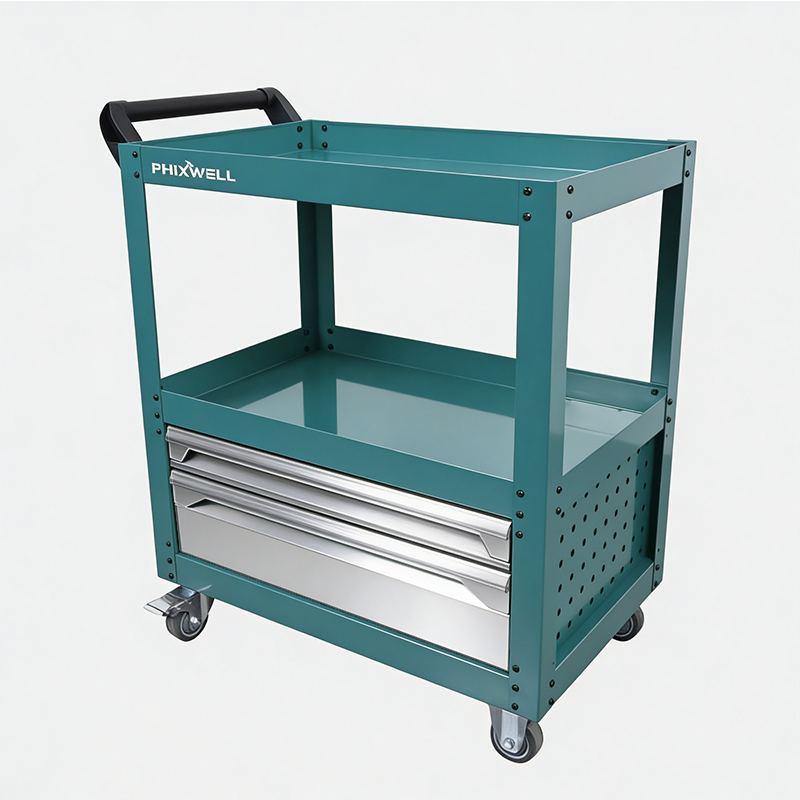
This is a multifunctional tool cart designed specifically for auto repair, maintenance, or industria...
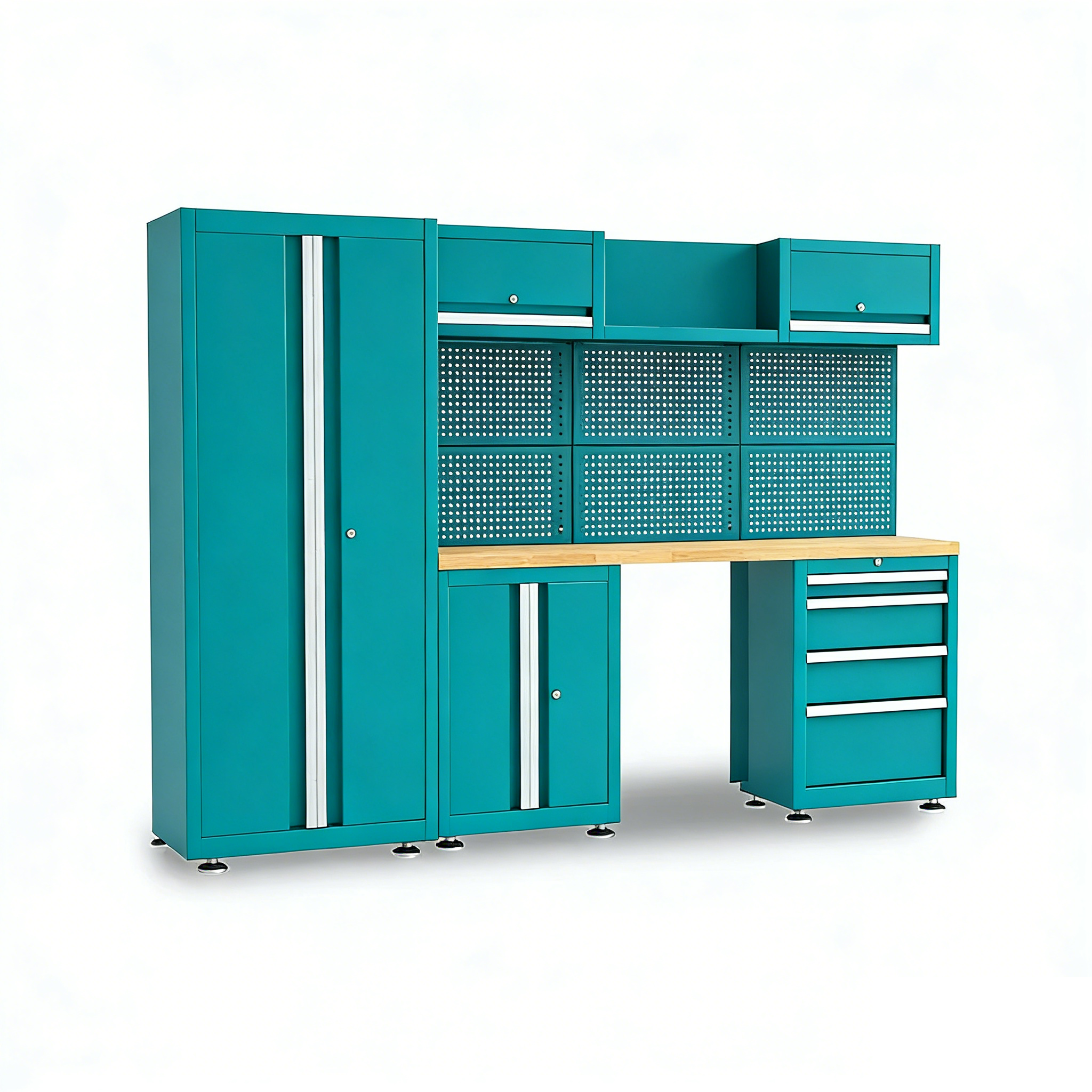
Multifunctional Tool Storage Combination Cabinet Material and appearance: Made of premium cold steel...
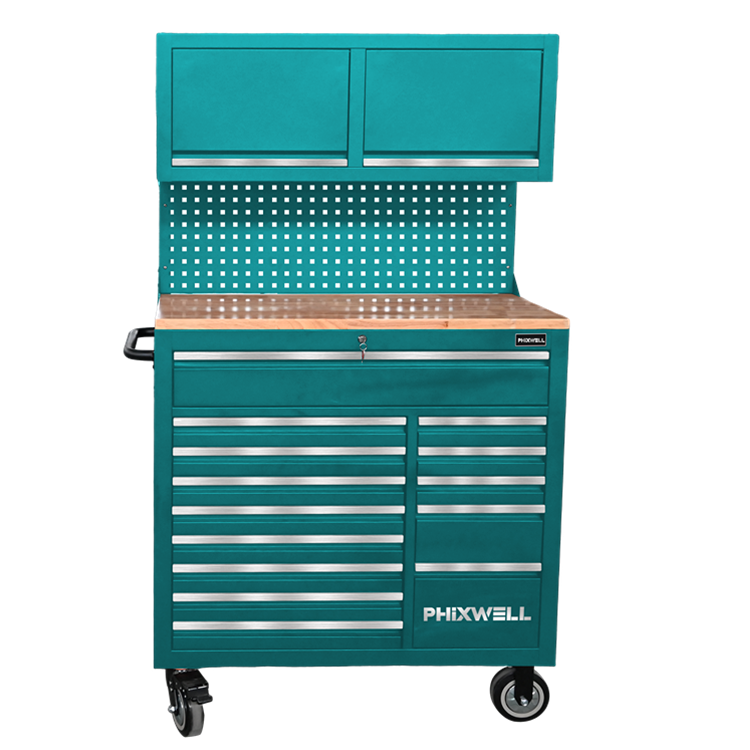
PHIXWELL Multifunctional Tool Workstation: Professional Grade Storage and Operation Integrated Solut...
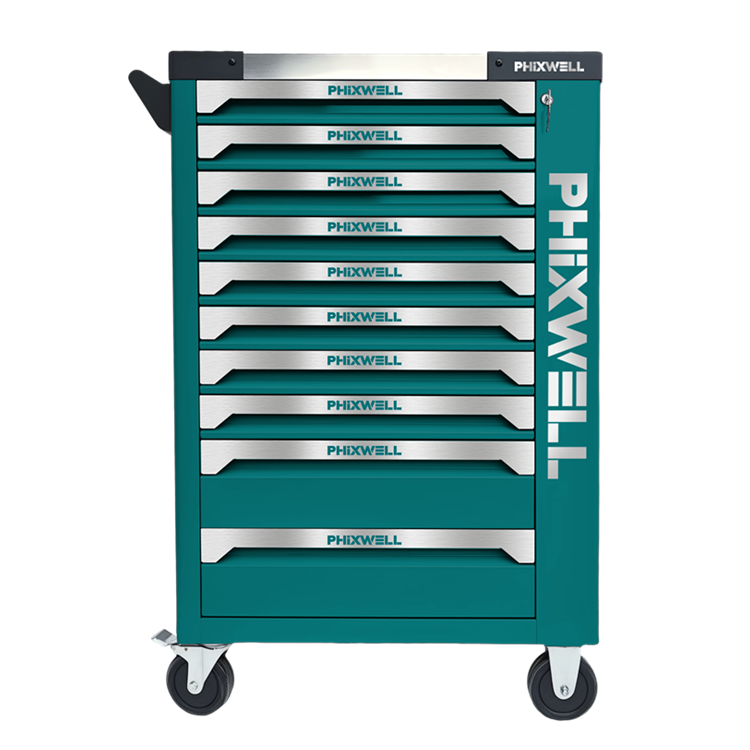
The PHIXWELL 10-Drawer Tool Cabinet is constructed from high-strength steel for durability and stabi...
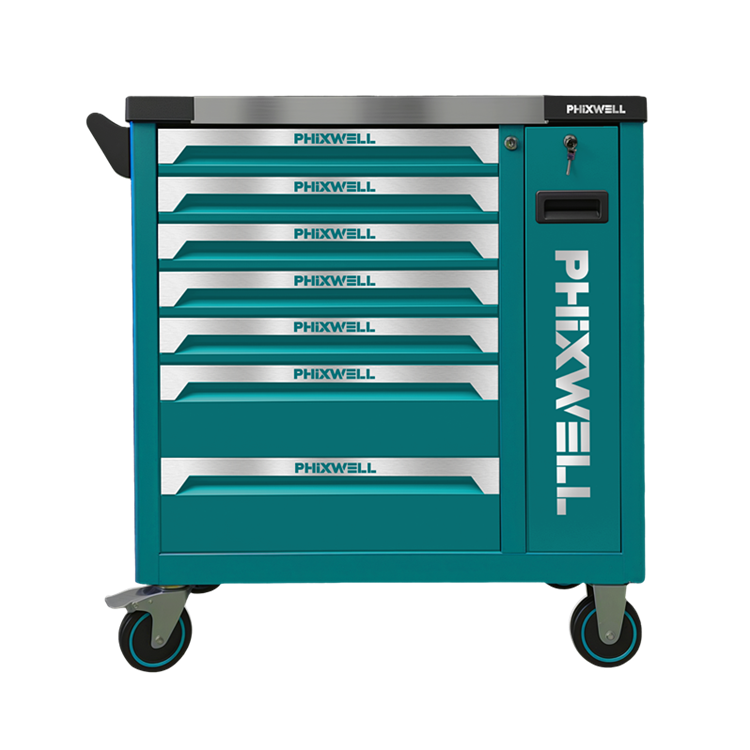
Solve the problem of disordered and missing tool parts, bid farewell to the chaos of wrenches, screw...
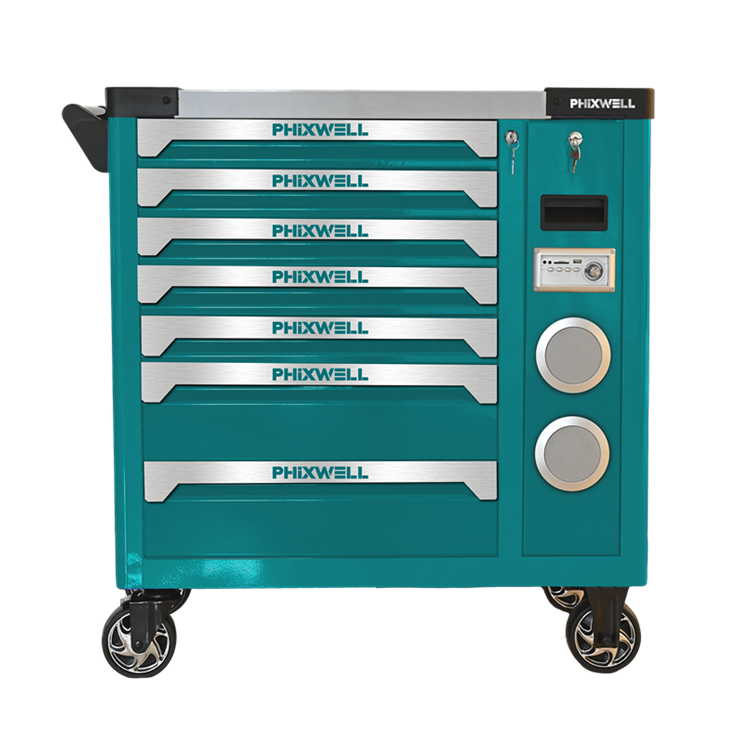
The PHIXWELL 719512 is a heavy‑duty, multifunctional tool cabinet engineered for professional work e...
Content
Our annual output of more than 100,000 tool cabinet can meet the needs of customers with different purchase volumes.

+86-18658800788
+86-0512-58499000

New City Industrial Park, No. 108 Sizha Road, Yangshe Town, Suzhou, Jiangsu, China

