 en
en  English
 Deutsch
Multifunctional Tool Storage Combination Cabinet
Multifunctional Tool Storage Combination Cabinet Material and appearance: Made of premium cold steel...

Investing in a tool storage cabinet is a strategic decision that directly impacts daily productivity, tool protection, and workshop safety. A cabinet that is too small will quickly become cluttered and frustrating, while one that cannot support the weight of your tools will fail prematurely, potentially causing injury. This tool storage cabinet buying guide walks through the critical selection factors: cabinet type, size and drawer configuration, load capacity, construction material, and mobility. Whether you are a professional mechanic tool storage user building a new service truck setup or a workshop manager designing an efficient workshop tool organization system, understanding these criteria will help you select a cabinet that provides secure, organized, and long-lasting storage for your entire tool inventory.
Before comparing specifications, conduct a thorough audit of your current and anticipated tool collection. The total weight of your tools is the single most important number, as it directly dictates the required tool cabinet load capacity. A fully loaded professional mechanic's cabinet can easily exceed 1,000 kg. Do not estimate; weigh the tools or add up the known weights from manufacturer specifications. Beyond the total mass, catalog the dimensions of the largest tools—breaker bars, torque wrenches, large pullers, and power tools—to determine the minimum interior drawer depth required. A common mistake is purchasing a cabinet with drawers that are all the same shallow depth, forcing large tools to be stored diagonally, wasting space and damaging the drawer slides.
Also, analyze your workflow. Do you need to move the tools to the job, or does the work come to the tools? This will answer the fundamental question of rolling tool cabinet vs tool chest and guide the need for a mobile base. A technician who works on vehicles at different locations needs a mobile system; a machinist who works at a fixed station may be better served by a stationary cabinet with a worktop. Consider the number of tool categories—sockets, wrenches, pliers, screwdrivers, diagnostic equipment, power tools—as each category benefits from a dedicated drawer or compartment. This audit forms the basis for the correct tool cabinet size selection and drawer configuration.
The rolling tool cabinet vs tool chest distinction is a classic configuration question. A rolling tool cabinet (often called a roll cab) is a floor-standing, wheeled unit that typically features several wide drawers and a sturdy top that can serve as a work surface or as a base for a top chest. A tool chest is a smaller, box-like unit designed to sit on top of a roll cab, workbench, or be carried. For any professional setting, the combination of a roll cab and a top chest is the standard, providing a high-density storage tower. The roll cab holds heavy, bulky items like impact wrenches, large socket sets, and power tools, while the top chest organizes smaller, frequently accessed items like screwdrivers, pliers, and precision tools.
The decision to use a tool cabinet with countertop rather than a top chest depends on whether you need a dedicated workbench surface integrated with your tool storage. A roll cab with a solid wood, rubber, or stainless steel top provides an immediate work area and is popular in smaller garages where space for a separate workbench is limited. When selecting a roll cab, the caster quality is paramount: look for casters with a minimum diameter of 125 mm, polyurethane or phenolic treads that resist oil and cutting fluids, and a total load rating that exceeds the cabinet's gross weight. Two of the casters should be locking to immobilize the cabinet when in use.
Tool cabinet drawer configuration is not about simply counting the number of drawers; it is about matching the drawer heights and layouts to the specific tool categories in your inventory. A well-designed professional cabinet offers a mix of shallow, medium, and deep drawers to accommodate tools of different heights without wasting vertical space. Shallow drawers of 50–70 mm are ideal for sockets, extensions, and spanners, allowing them to be laid flat on organized trays. Medium drawers of 100–150 mm hold pliers, screwdriver sets, hammers, and measuring tools. Deep drawers of 200–300 mm are essential for power tools, impact guns, diagnostic scanners, and bulky cases. A cabinet with all drawers of the same depth forces you to waste the vertical cube or to store tools in cases that obscure their identity.
| Tool Category | Recommended Drawer Height (mm) | Typical Drawer Load (kg) | Organization Accessories |
|---|---|---|---|
| Sockets and Ratchets | 50–75 | 25–45 | Socket trays, magnetic rails |
| Wrenches and Spanners | 75–100 | 30–50 | Wrench racks, foam inserts |
| Screwdrivers and Pliers | 100–150 | 35–60 | Modular dividers, magnetic holders |
| Power Tools and Diagnostic Equipment | 200–300 | 50–70 | Custom-cut foam, case storage |
A critical feature to examine is the drawer slide mechanism. In a professional mechanic tool storage context, every drawer should ride on ball-bearing slides that offer full extension, allowing access to tools at the back of the drawer without removing the drawer from the cabinet. The slides should be rated for the expected load and tested to tens of thousands of cycles. Soft-close or self-closing mechanisms are an indicator of a high-quality slide system that prevents slamming and reduces impact stress on the drawer contents.
The steel tool cabinet advantages over wood, plastic, or composite alternatives are absolute in professional settings. Steel provides the highest strength-to-volume ratio, allowing for thinner walls that maximize internal storage space while supporting extreme loads. For a heavy duty tool cabinet selection, the gauge of steel used in the body, drawers, and frame directly dictates durability. The cabinet shell should be at least 18-gauge (1.2 mm) steel, with drawer bodies of a similar or thicker gauge. The weakest part of any steel cabinet is the corner welds and the drawer slide mounting points. Look for cabinets that specify continuous welded seams and reinforced drawer bottoms with hat-channel stiffeners that prevent sagging under heavy load.
The finish is another critical steel advantage. A high-quality powder coat finish, applied over a phosphate pre-treatment, provides a chemical-resistant barrier against oil, brake fluid, coolant, and cleaning solvents. This is essential for an automotive tool storage cabinet used in an active repair environment. The powder coat should be thick enough—typically 60–80 microns—to resist chipping from dropped tools. In contrast, a thin, wet-spray paint finish will chip and rust within months. Stainless steel cabinets are available for food-grade, pharmaceutical, or corrosive marine environments, but they carry a significant price premium and are rarely necessary for general tool storage.
The specified tool cabinet load capacity must be approached conservatively. A cabinet rated for 900 kg total capacity distributes that load across all drawers and the top surface. An individual drawer rated at 45 kg will fail if 70 kg is placed in it. The load rating should be verified by an independent test standard, not just a manufacturer's claim. In a professional environment, a cabinet with a safety factor of 1.5 to 2.0 on the expected load is a prudent specification. For a rolling cabinet, the casters and the base frame must collectively support the entire gross weight without deforming. A rolling tool cabinet with a warped base will become unstable and difficult to move.
Stability is a function of the cabinet's footprint width, the center of gravity, and the design of the drawer interlock system. A cabinet that allows multiple heavily loaded drawers to be opened simultaneously can tip forward, causing serious injury. A mandatory safety feature in any professional setting is a single-drawer interlock mechanism that prevents more than one drawer from being opened at a time. This system should be robust and accessible for servicing. When mobility is a primary requirement, select a cabinet with an integrated handle and oversized casters, and verify that the loaded cabinet can be moved comfortably by a single person.
A tool cabinet does not exist in isolation; it is the core of a broader workshop tool organization system. The most effective systems integrate the cabinet with wall-mounted panels, mobile service carts, and specialized racks to create a logical flow of tools from storage to use. A shadow board on the wall holds the most frequently accessed tools—hammers, pry bars, air tools—while the cabinet organizes the rest. The cabinet's top surface, if designed as a tool cabinet with countertop, becomes the staging area for jobs, ideally positioned adjacent to the workbench. When planning the system layout, allow at least one meter of clear space in front of each cabinet for drawer extension and operator movement. The investment in a properly specified, well-organized tool cabinet system is returned in reduced tool search time, extended tool life, and a professional workspace that supports efficient, high-quality work.
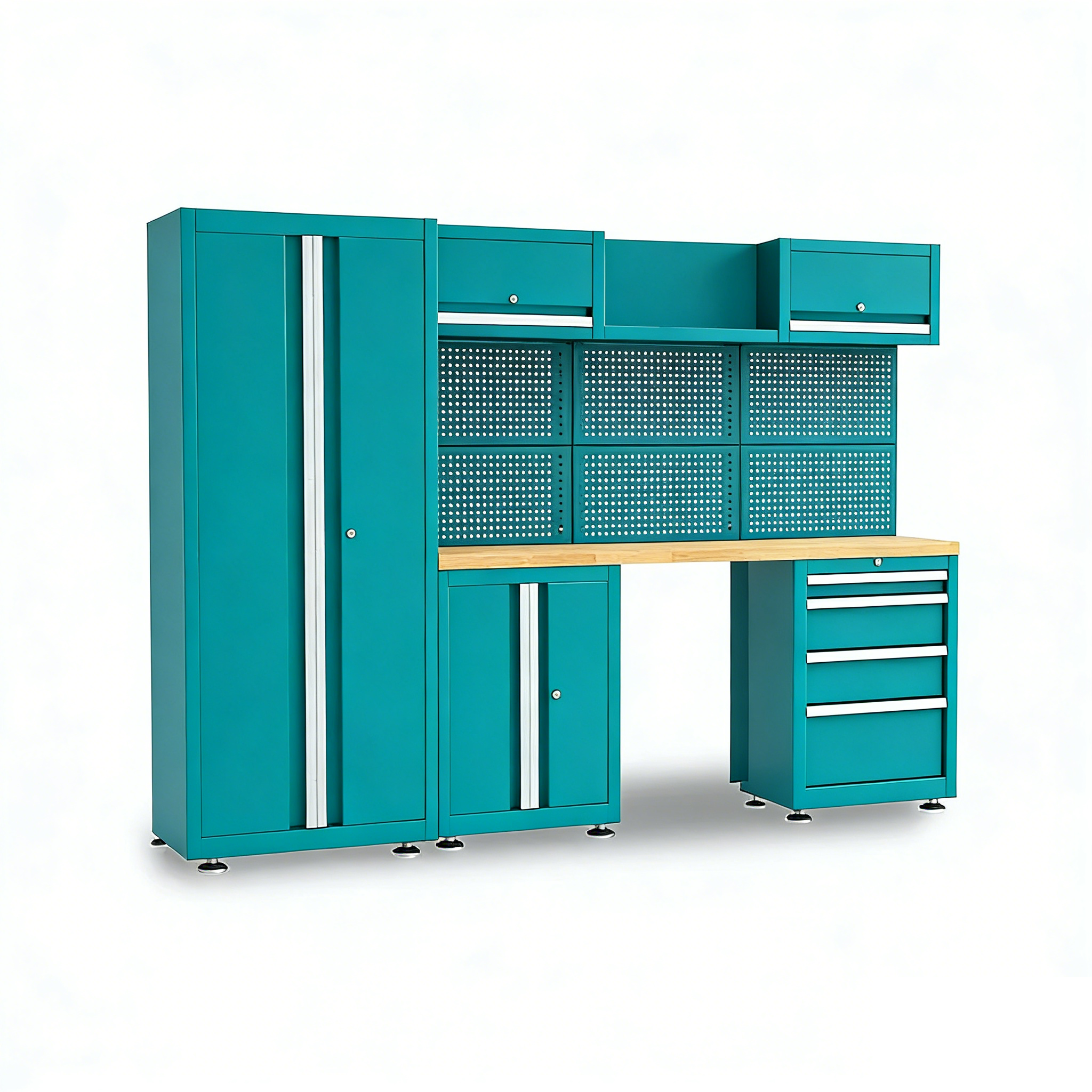
Multifunctional Tool Storage Combination Cabinet Material and appearance: Made of premium cold steel...
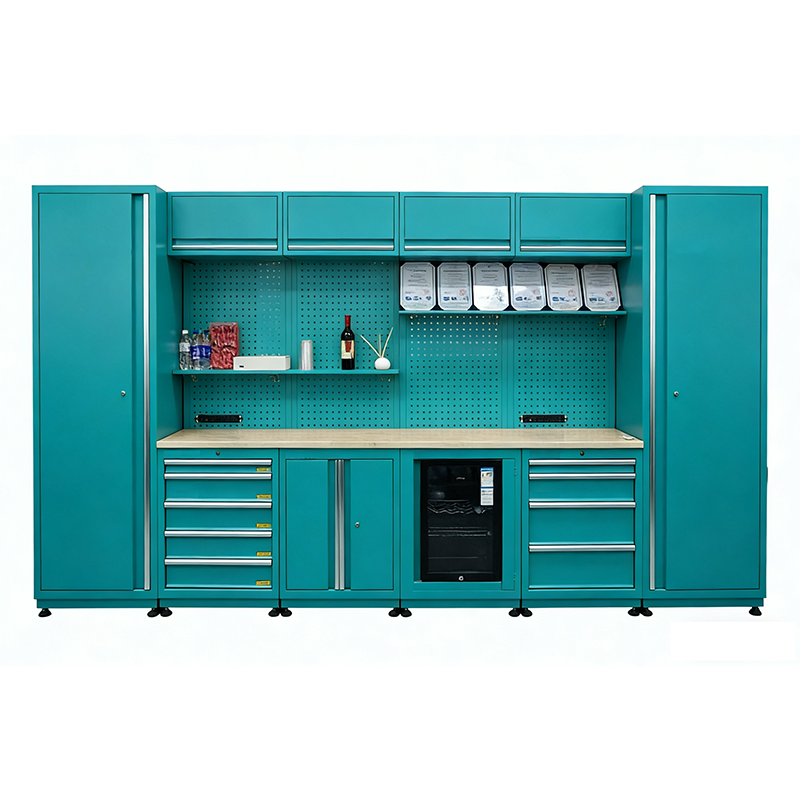
# Workshop Modular Storage Combination Cabinet (Model 719610) Product Introduction This workshop sto...
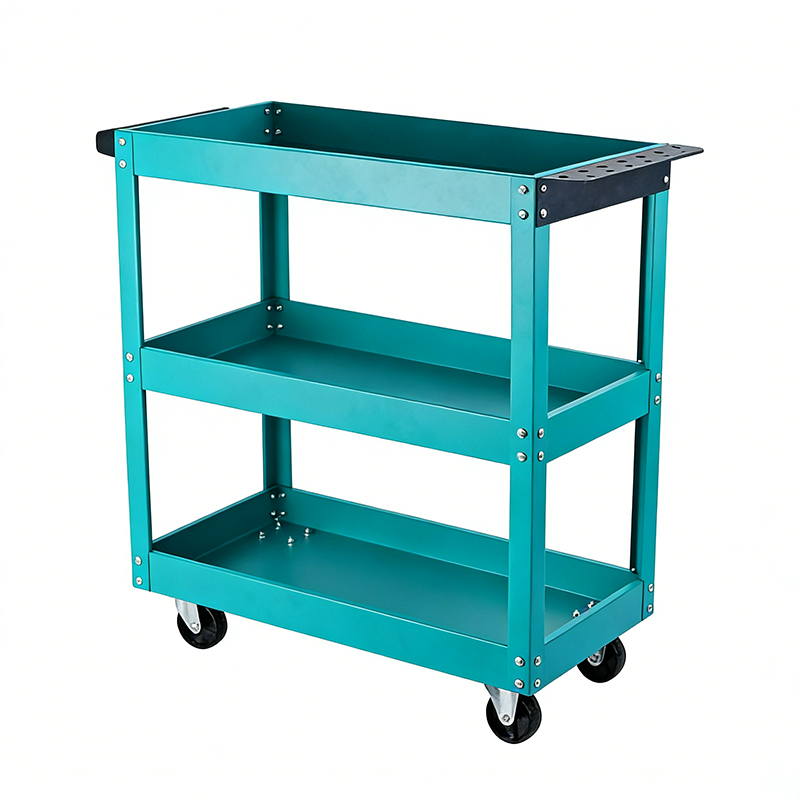
This is a **Three-Layer Auto Repair Tool Cart**, a multifunctional mobile maintenance storage device...
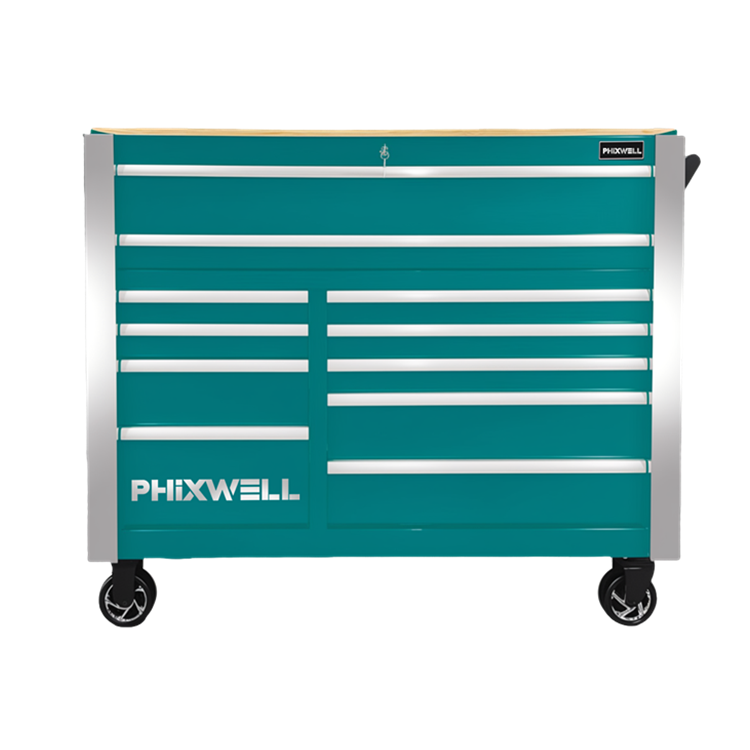
Prevent insufficient tool protection: Avoid rusting, collision or calibration failure caused by long...
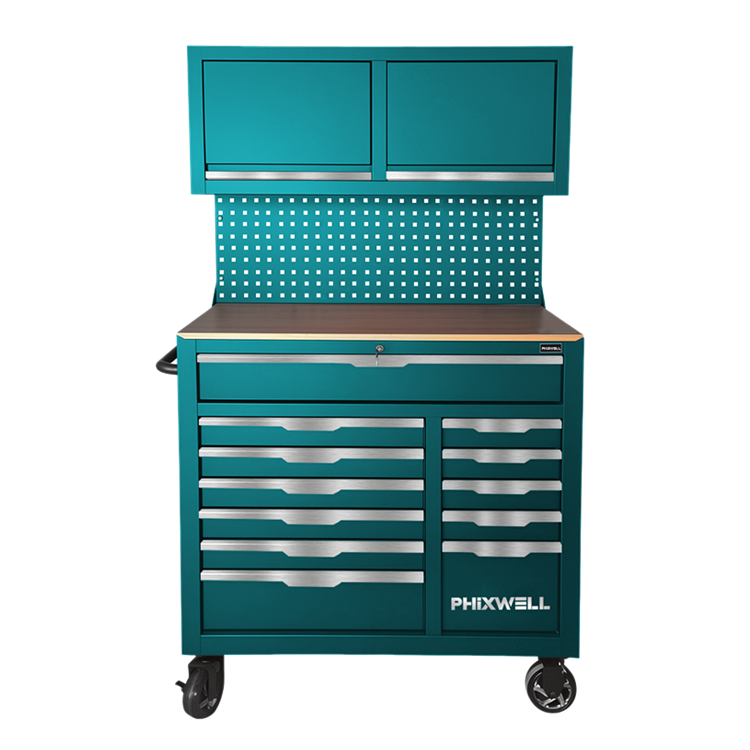
This is a heavy-duty multifunctional tool cabinet workbench set launched by the **PHIXWELL** brand, ...
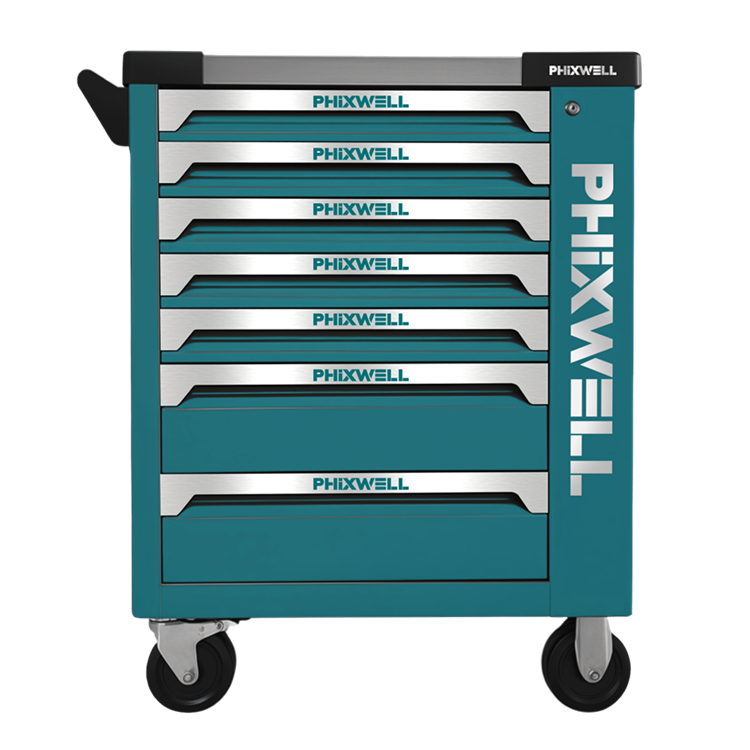
The tool cart group provides a set of tools to solve the problem of tool confusion and difficulty in...
Content
Our annual output of more than 100,000 tool cabinet can meet the needs of customers with different purchase volumes.

+86-18658800788
+86-0512-58499000

New City Industrial Park, No. 108 Sizha Road, Yangshe Town, Suzhou, Jiangsu, China

