 en
en  English
 Deutsch
Workshop Modular Storage Combination Cabinet
# Workshop Modular Storage Combination Cabinet (Model 719610) Product Introduction This workshop sto...

A tool storage cabinet is a dedicated enclosure designed to organize, protect, and provide access to tools and equipment. Far more than a simple locker, a well-engineered cabinet is a central component of an efficient workshop, factory floor, or garage, transforming cluttered workbenches and lost tools into a streamlined workflow. For the professional mechanic, an automotive tool storage cabinet with ball-bearing drawer slides allows instant access to hundreds of sockets and wrenches, saving minutes per job. For a manufacturing plant, a heavy duty tool cabinet integrates into an industrial tool storage system, ensuring that specialized fixtures are secure, traceable, and ready when needed. The right cabinet reduces the three biggest time-wasters in any tool-dependent environment: searching for tools, working with damaged tools, and clearing workspaces. Selecting the correct type, size, and construction directly impacts productivity and tool lifespan.
The category of types of tool storage cabinets spans a wide range of configurations, each engineered for a specific load capacity, mobility, and organizational task. Understanding the core types is the first step in matching a cabinet to the demands of your workspace. The construction material and gauge of steel are the primary indicators of durability. Heavy duty tool cabinet units are typically fabricated from 18-gauge (1.2 mm) or 16-gauge (1.5 mm) steel, with reinforced corner posts and double-wall construction on the sides and doors. Lighter cabinets for home use may use 20-gauge or thinner steel, which is adequate for storing smaller, lighter tools but can flex under loads exceeding 200 kg.
| Cabinet Type | Typical Load Capacity per Drawer | Mobility | Best For |
|---|---|---|---|
| Rolling Tool Cabinet (Roll Cab) | 45–70 kg | 4 heavy-duty casters (2 locking, 2 swivel) | Professional automotive and industrial mechanics |
| Stationary Floor Cabinet | 50–100+ kg | Fixed; may have leveling feet | Storage of large, heavy, or bulk items; industrial supply rooms |
| Wall-Mounted Cabinet | 15–30 kg | None (fixed mount) | Small parts, frequently used tools at workstations; saves floor space |
| Mobile Service Cart | 20–35 kg | 4 swivel casters for maximum maneuverability | Moving tool sets to the job site; temporary tool staging |
A rolling tool cabinet, often called a roll cab, is the quintessential professional mechanic's tool storage. It is a low, wide cabinet with multiple drawers, topped with a work surface and mounted on casters for mobility around a workshop or garage. The best examples use ball-bearing drawer slides rated for 50,000 cycles or more, ensuring smooth operation even under full load. In contrast, a stationary floor cabinet is taller and built for high-density, secure storage of heavier items like large power tools, pneumatic equipment, and bulk consumables.
For environments where tools are shared among shifts, need to be locked and accounted for, or are exceptionally heavy, a heavy duty tool cabinet integrated into an industrial tool storage system is a necessity, not a luxury. These systems often feature louvered panels, pegboards, or shadow boards inside the cabinet doors, along with modular drawer dividers and foam inserts. This level of organization allows for visual inventory checks—missing tools are immediately apparent, which is a critical safety protocol in aviation, food processing, and precision manufacturing. The total load capacity of an industrial cabinet can exceed 1,800 kg, requiring a floor that can support the weight and a cabinet with reinforced base frames.
Automotive tool storage cabinet systems for dealerships and fleet maintenance facilities are a specialized subset. They often combine a rolling base cabinet with a top chest that can be lifted off for mobile use. The drawer layout is optimized for the specific shapes of automotive tools: deep drawers for impact guns and diagnostic equipment, shallow drawers for sockets and spanners, and secure compartments for electronic diagnostic tools. The cabinets are typically finished in a durable powder coat that resists oil, grease, and brake fluid, and they can be keyed alike so that a supervisor can access multiple technicians' cabinets with a single key.
The mobile tool storage cabinet is the solution for dynamic workspaces where tools need to move to the work, rather than the other way around. In a busy repair shop, a technician can pre-load a rolling tool cabinet with the exact tools needed for a specific job—such as an engine overhaul or a transmission repair—and roll it directly to the vehicle. The cabinet then serves as a mobile workstation, with a rubber or wood top that doubles as a bench surface. The casters are the most critical component: they must be oversized (at least 125 mm in diameter), with polyurethane or hard rubber treads that resist cutting from metal swarf and roll easily over floor joints and cracks.
For the home garage or hobbyist, the garage tool storage cabinet balances storage density with cost. A combination of a wall-mounted cabinet for smaller items and a freestanding cabinet with drawers and an adjustable shelf for larger tools often maximizes the use of a limited footprint. In these settings, tool cabinet with drawers designs that incorporate pre-cut foam liners are particularly popular, as they allow for custom organization and tool control without the need for expensive shadow board fabrication. A well-organized garage tool cabinet can compress the contents of several scattered toolboxes into a single, lockable unit, freeing up floor space for vehicles and projects.
Effective tool cabinet organization ideas leverage the cabinet's internal volume and the wide range of available accessories. The goal is to assign a specific, protected location to every tool so that locating it is instant and putting it away is effortless. The most effective organizational systems incorporate layered organization: large, soft-grip EVA foam mats that are laser-cut or CNC-routed with cutouts for each tool, combined with modular plastic bins for fasteners and small parts. The foam not only keeps tools in place when drawers are opened and closed but also provides a strong visual cue when a tool is missing.
A well-planned industrial tool storage system using these ideas can reduce tool search time by up to 30%, according to lean manufacturing studies. This translates directly into more productive work hours. The cabinet itself should be seen as a platform for organization, not just a container, and investing in the internal fit-out is as important as the choice of the cabinet shell.
The final selection of a tool storage cabinet is a direct function of the tool inventory it will hold and the workflow it will support. Start by auditing the tools: total weight, the size of the largest tool, and the number of different categories that need to be stored separately. The total weight determines the drawer load capacity required. If the tool set weighs 500 kg, a cabinet with a 700 kg rated capacity provides an adequate safety margin. The size of the largest tool dictates the minimum drawer or shelf height; a breaker bar that is 600 mm long needs a drawer of at least 620 mm interior depth. The number of tool categories suggests the number of drawers and the benefit of a combination of shallow, medium, and deep drawers. A tool cabinet with drawers that are all the same depth forces compromises—either small tools are lost in deep drawers, or large tools don't fit. A mix of drawer depths, typically ranging from 50 mm for sockets to 200 mm for power tools, creates a customized fit that protects tools and maximizes space.
By matching the cabinet type, construction quality, mobility, and internal organization to the specific needs of your workspace, a tool storage cabinet becomes a permanent productivity asset, paying for itself through reduced tool loss, faster job completion, and a safer, more professional working environment.
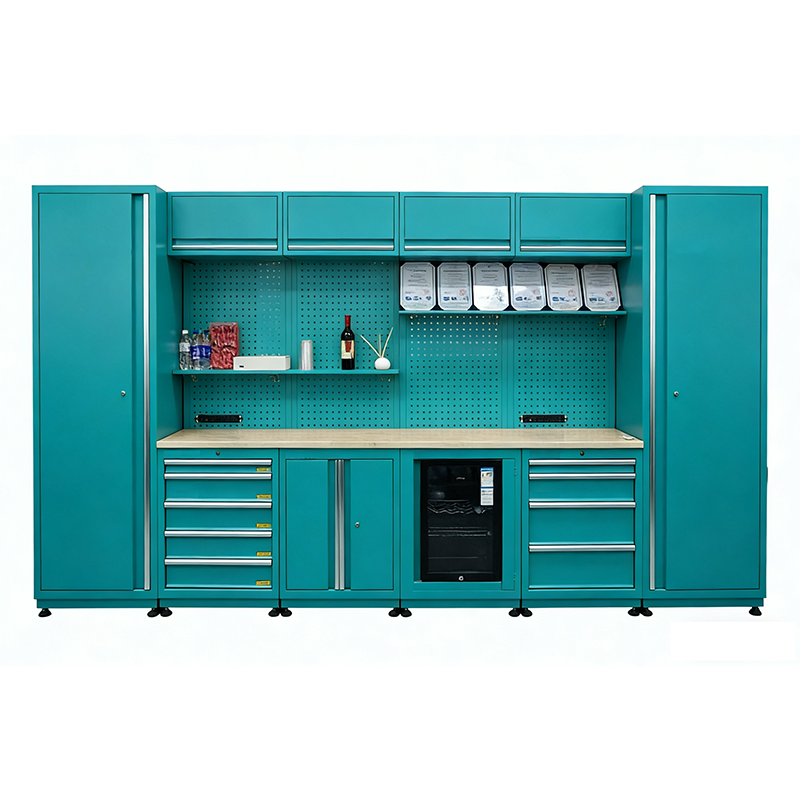
# Workshop Modular Storage Combination Cabinet (Model 719610) Product Introduction This workshop sto...
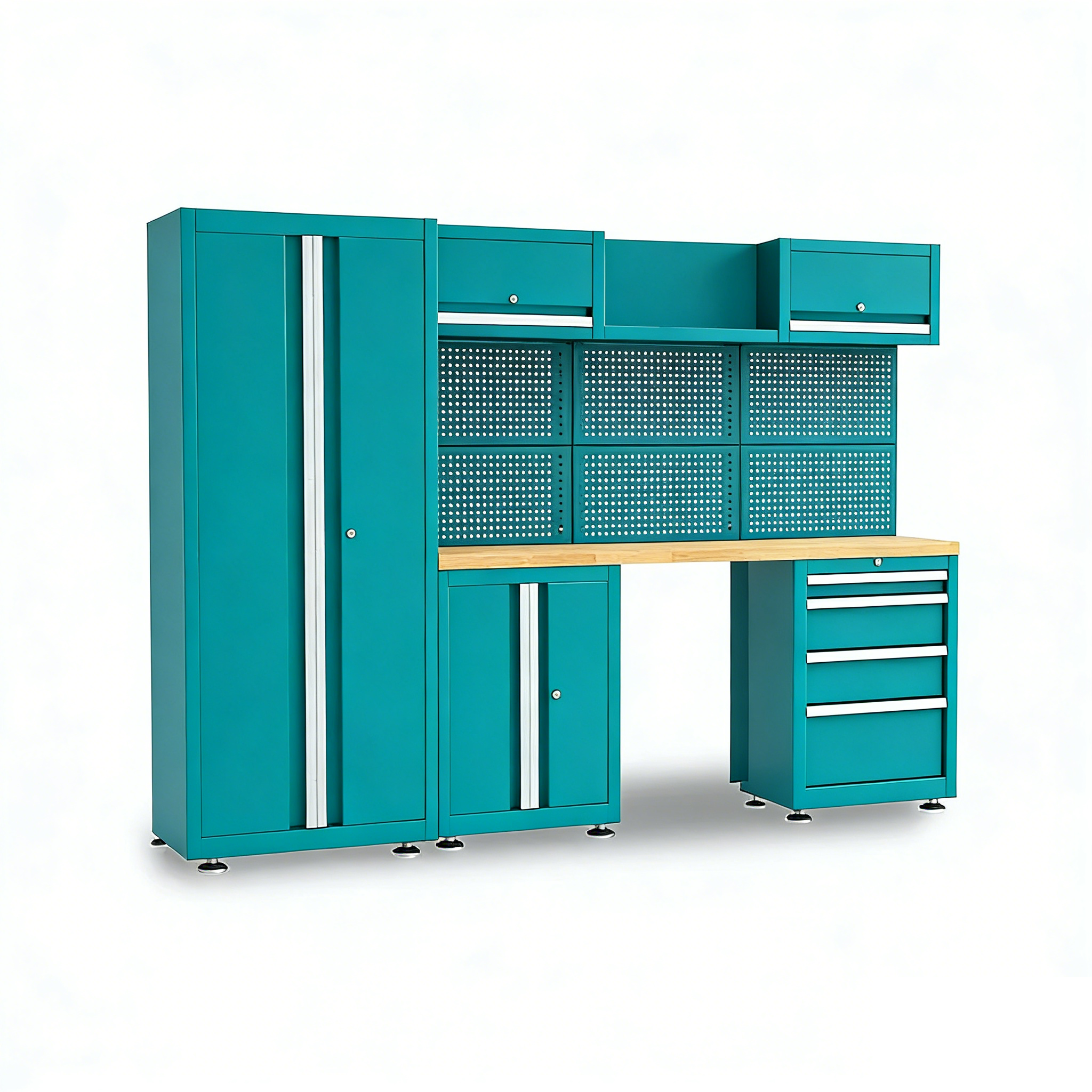
Multifunctional Tool Storage Combination Cabinet Material and appearance: Made of premium cold steel...
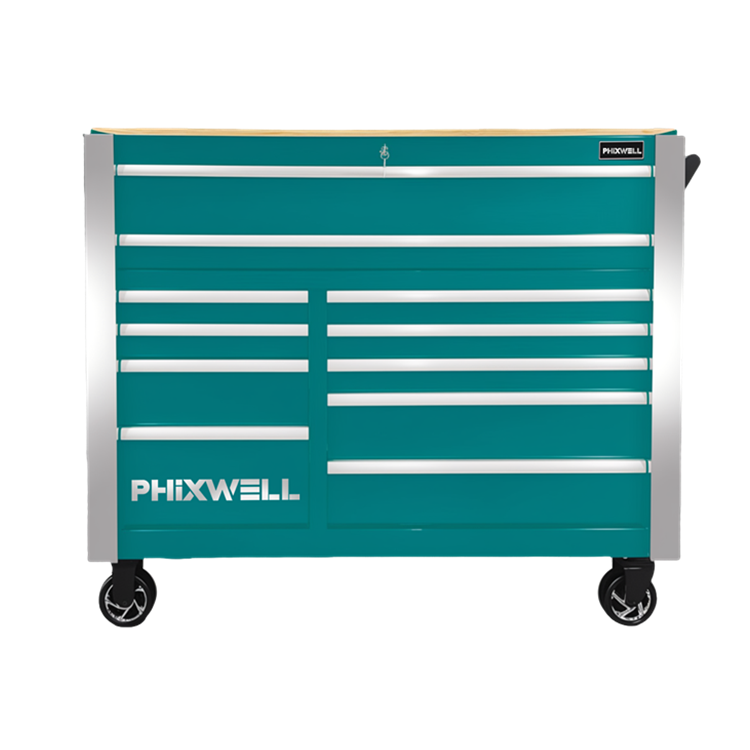
Prevent insufficient tool protection: Avoid rusting, collision or calibration failure caused by long...
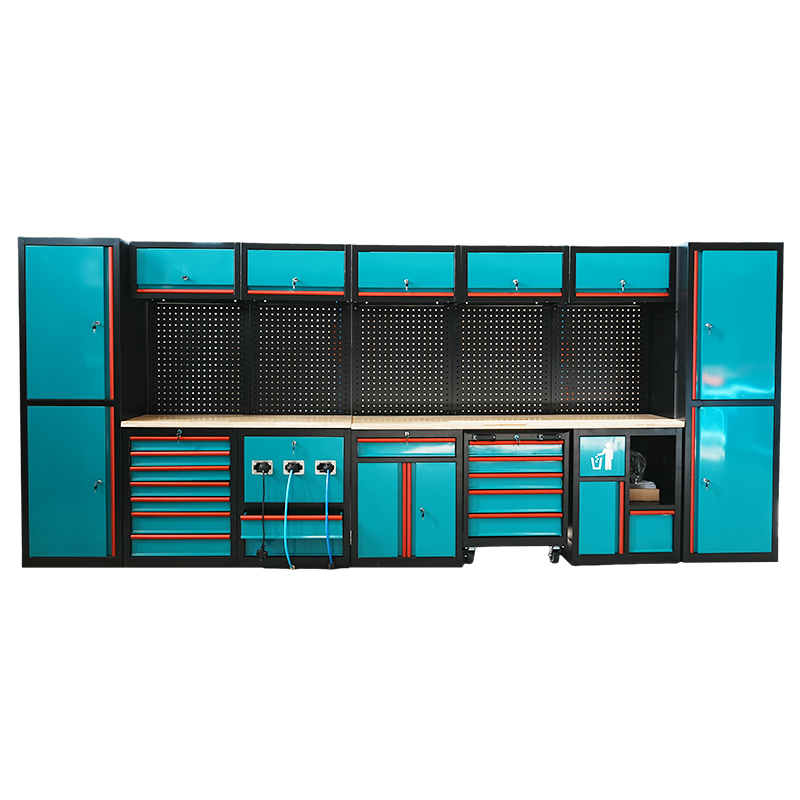
# Multifunctional Workshop Combination Cabinet: Professional Tool Storage and Work Integrated Soluti...
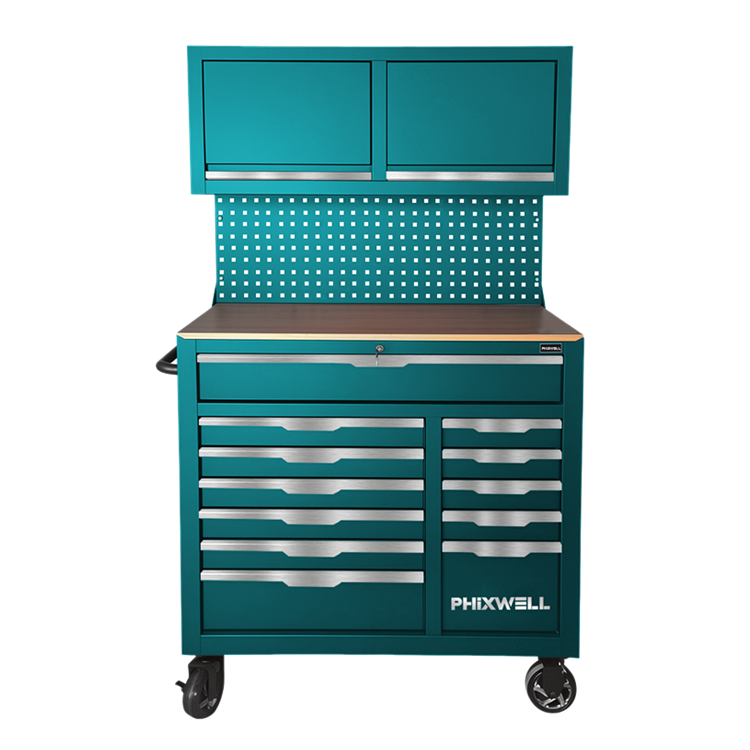
This is a heavy-duty multifunctional tool cabinet workbench set launched by the **PHIXWELL** brand, ...
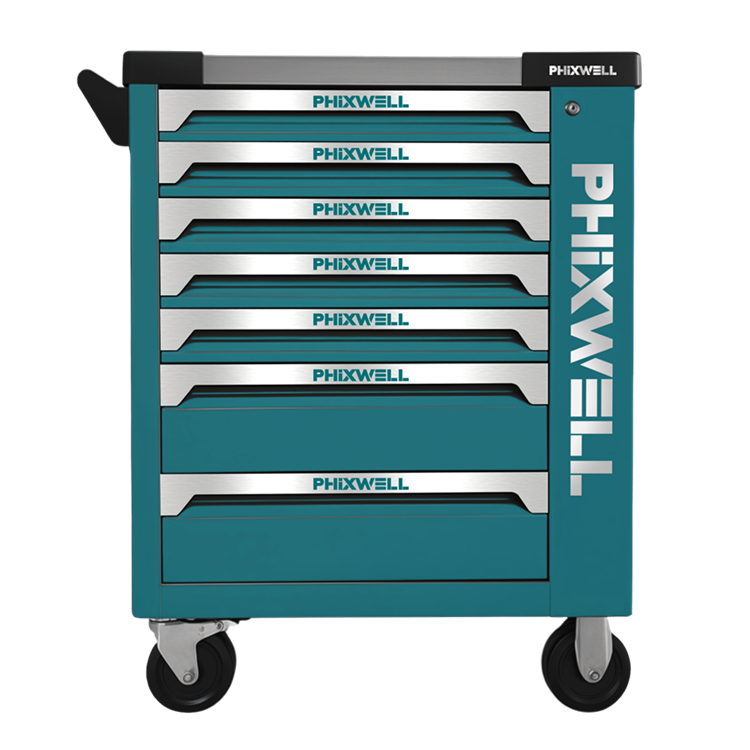
The tool cart group provides a set of tools to solve the problem of tool confusion and difficulty in...
Content
Our annual output of more than 100,000 tool cabinet can meet the needs of customers with different purchase volumes.

+86-18658800788
+86-0512-58499000

New City Industrial Park, No. 108 Sizha Road, Yangshe Town, Suzhou, Jiangsu, China

