 en
en  English
 Deutsch
Multifunctional Tool Storage Combination Cabinet
Multifunctional Tool Storage Combination Cabinet Material and appearance: Made of premium cold steel...

Transforming a cluttered garage into a functional space starts with a clear garage organization system. Without it, even the best storage products simply become part of the mess. Effective garage organization ideas combine zoning, vertical storage, and an honest inventory of what you actually need to keep. Data from the National Association of Professional Organizers suggests that the average garage contains 30% more items than it can reasonably accommodate, and that a one‑time decluttering effort frees up roughly 50 square feet of usable floor area. Whether your goal is to park both cars inside, build a dedicated garage workshop storage wall, or simply stop tripping over sports gear, a methodical approach turns any garage into a space that works as hard as you do.
A real garage organization system is built on zones, not just shelves. Professional organizers divide the garage into five functional areas: a workshop zone, a sports and outdoor gear zone, a gardening and yard zone, a household overflow zone, and a vehicle‑adjacent clearance zone. Each zone has its own storage type and proximity rules. Tools used for car maintenance should live near the hood of a parked vehicle, not across the room behind bicycles.
This approach prevents the most common failure of garage storage ideas: mixing unrelated items on the same shelf until nothing is findable. A study of home garage usage found that households with zoned storage spent an average of 3.5 minutes locating a specific item, compared to 11 minutes in un‑zoned garages. Over a year, that difference accumulates to over 45 hours of saved time. The key is to assign zones before purchasing any shelving, then select storage products that match the weight and access frequency of the items in each zone.
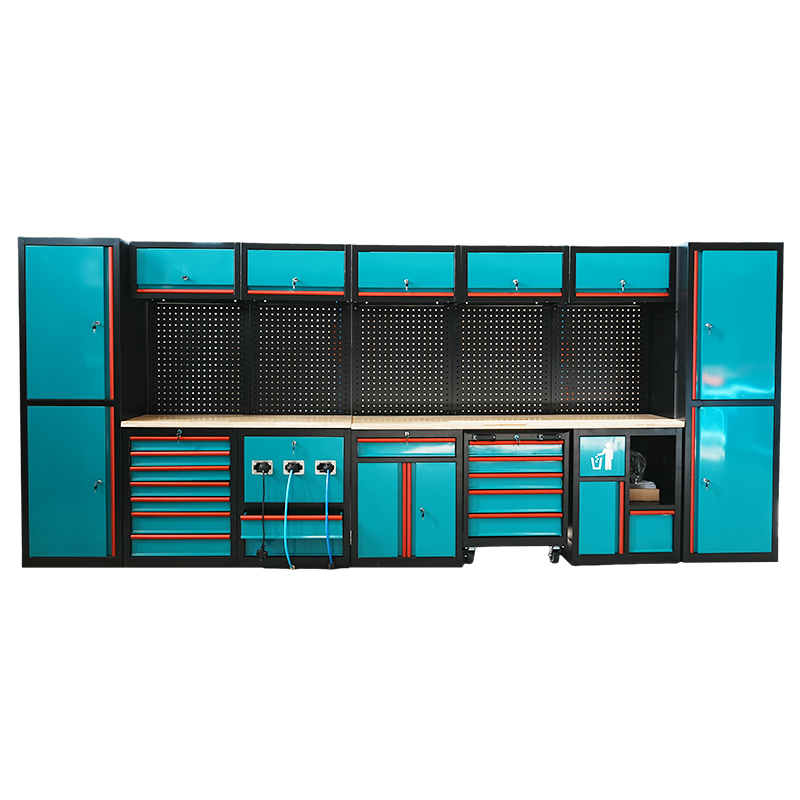
Combining garage shelving and cabinets creates a system where frequently used items remain instantly accessible while seasonal gear stays protected behind closed doors. Open shelving works best for bulky items that are used regularly — power tools, car care products, and paint cans — because there is no door to open. Cabinets, especially metal workshop storage cabinets, protect contents from dust, humidity, and pests while hiding visual clutter that makes a garage feel smaller than it is.
The most effective wall designs use a split layout: heavy‑duty shelving mounted at a height of 60–120 cm (2–4 feet) for easy lifting, with cabinets mounted above between 120–200 cm. This keeps frequently accessed items at waist level and reserves upper cabinets for seldom‑used supplies. A shelf depth of 40–50 cm prevents items from disappearing at the back, and a vertical spacing of at least 35 cm between shelves accommodates standard tool cases. For a standard two‑car garage, a combination of 3–4 base cabinets and 6–8 linear meters of shelving can absorb the contents of most households without occupying floor space needed for vehicle doors to open.
Efficient garage tool organization is not about perfection — it is about immediate visibility and a designated home for each tool. Studies of professional workshops show that tools stored openly on a shadow board or pegboard are returned to their place 80% of the time, whereas tools stored in drawers or closed boxes are returned less than 40% of the time. The solution for home garages is to mount frequently used hand tools on a dedicated wall panel and use drawers only for sets, consumables, and precision instruments.
For power tools, a tool storage solution for garage that uses a combination of deep open shelves and a charging station simplifies workflow. A charging shelf with a built‑in power strip and cord management keeps batteries topped up and eliminates the search for a working battery. When planning home garage storage solutions, dedicate at least 2 square meters of wall area to tool storage for every major hobby — woodworking, automotive, or gardening — and use labeled bins with QR‑code inventory lists for fasteners and small parts. This reduces duplicate purchases by making existing stock visible.
The most valuable small garage storage ideas exploit the vertical space that goes unused above head height. Ceiling‑mounted overhead racks can hold 200–300 kg and are ideal for seasonal items like snow tires, holiday decorations, and camping gear. In a single‑car garage of just 15 square meters (160 sq ft), a properly installed overhead rack reclaims approximately 3–4 square meters of floor space — enough to park a motorcycle or open a car door comfortably.
Wall‑mounted folding workbenches are another critical garage workshop storage element for small spaces. A bench that folds flat against the wall when not in use reclaims nearly 2 square meters of floor area and can be deployed in seconds. The table below shows the floor‑space impact of different storage strategies in a compact single‑car garage.
| Strategy | Floor Space Recovered | Best For | Implementation Effort |
|---|---|---|---|
| Ceiling overhead rack | 3–4 m² | Seasonal bins, tires, luggage | Moderate — requires ceiling joists |
| Folding wall workbench | 1.5–2 m² | Workshop tasks, occasional use | Easy — pre‑fabricated kits available |
| Wall‑mounted cabinets and shelves | 2–3 m² | Tools, supplies, household overflow | Low to moderate |
| Magnetic strips and pegboard | 0.5–1 m² | Hand tools, frequently used items | Easy — minimal tools needed |
The cumulative effect of these small garage storage ideas can be remarkable. A 15‑square‑meter garage that initially fits a single car with no workspace can, after implementing ceiling storage, wall‑mounted cabinets, and a folding bench, accommodate a car, a motorcycle, and a functional garage workshop storage area. The investment for such a transformation typically falls between $800 and $2,500, with the ceiling rack and wall cabinets being the two highest‑value purchases in terms of space reclaimed per dollar.
Installing an array of garage storage solutions is only half the equation — maintaining the system is what prevents a slow return to chaos. Professional organizers recommend a seasonal audit: every three months, sweep the garage floor, return out‑of‑place items to their zones, and remove anything broken or unused. A study of garage‑organization longevity found that households that performed quarterly resets kept 85% of their original organization intact after two years, while those who simply filled the new shelves without a review schedule reverted to clutter within 6–8 months.
The most durable home garage storage solutions include labeling every shelf, bin, and drawer, establishing a landing zone for incoming items at the garage entry door, and photographing each zone in its organized state as a reference. When combined with an effective garage organization system, these habits ensure that the hundreds of dollars and hours invested in workshop storage cabinets and shelving deliver their full value over the entire time you use the space.
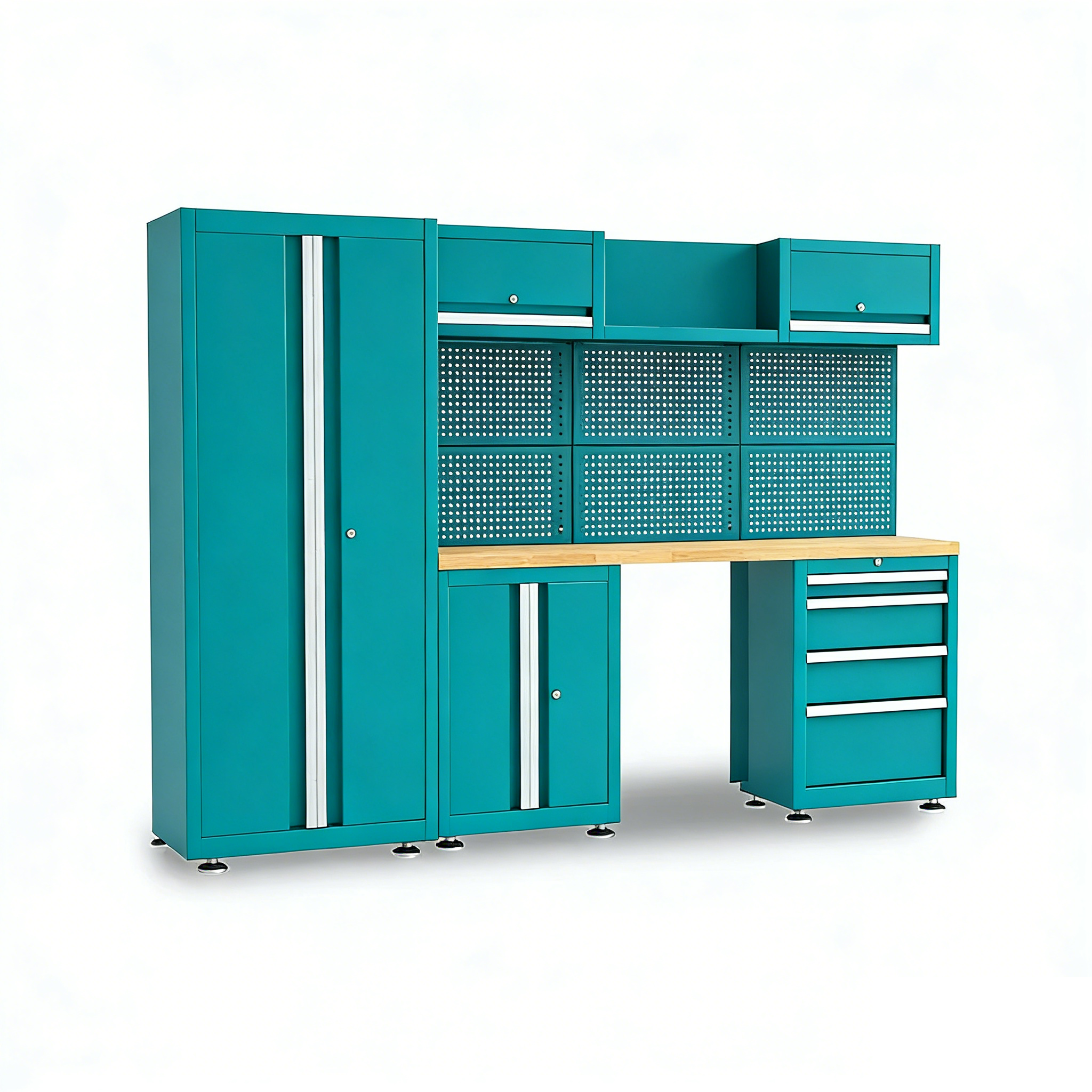
Multifunctional Tool Storage Combination Cabinet Material and appearance: Made of premium cold steel...
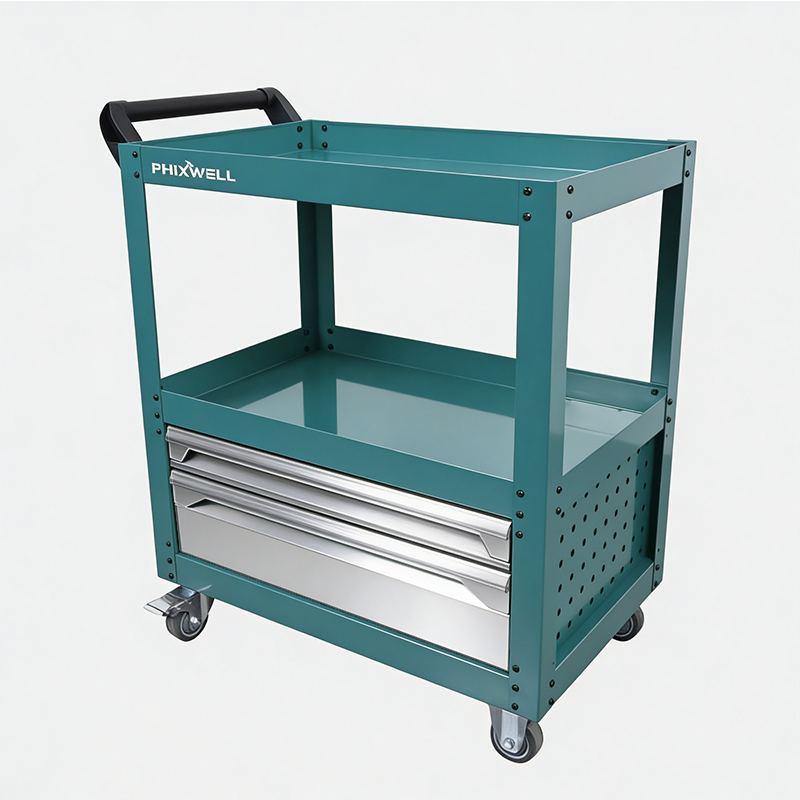
This is a multifunctional tool cart designed specifically for auto repair, maintenance, or industria...
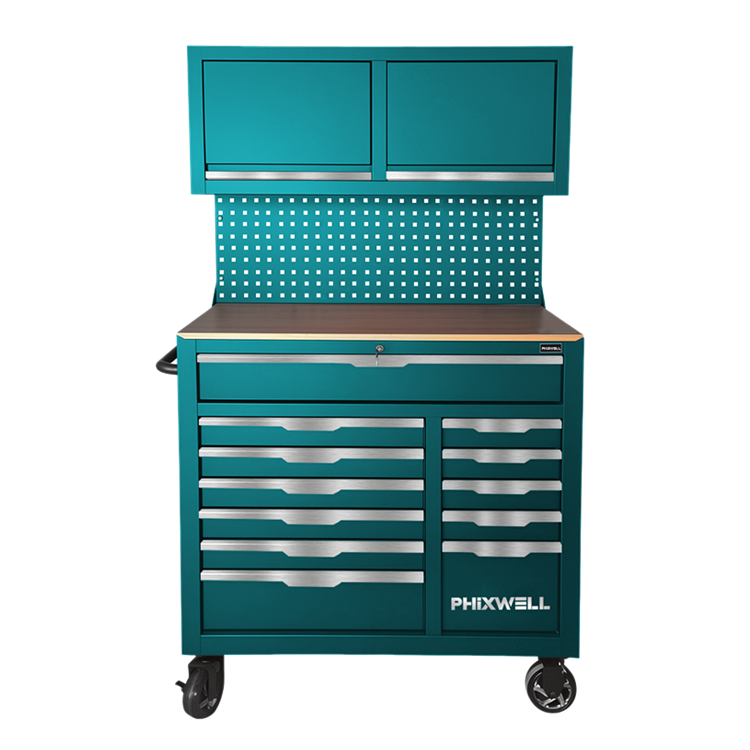
This is a heavy-duty multifunctional tool cabinet workbench set launched by the **PHIXWELL** brand, ...
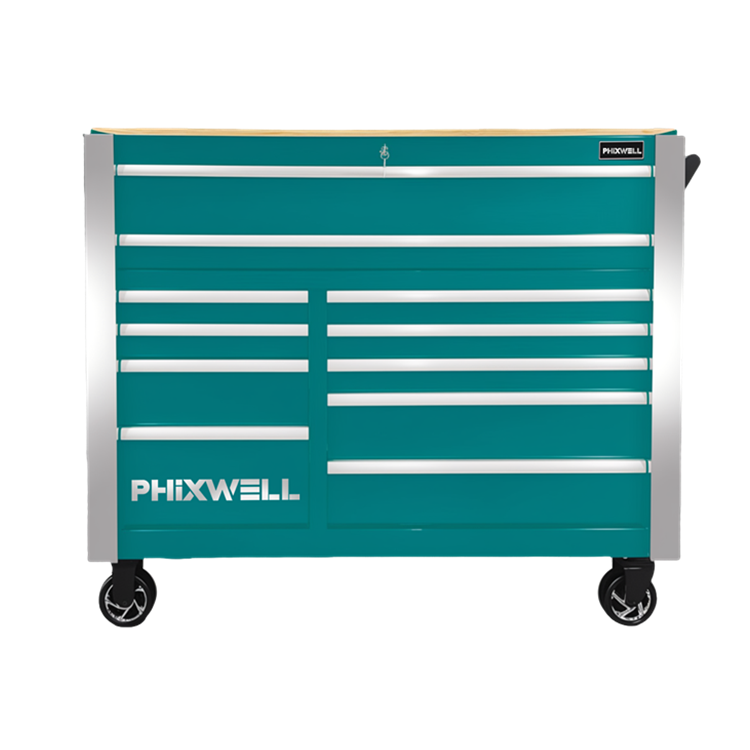
Prevent insufficient tool protection: Avoid rusting, collision or calibration failure caused by long...
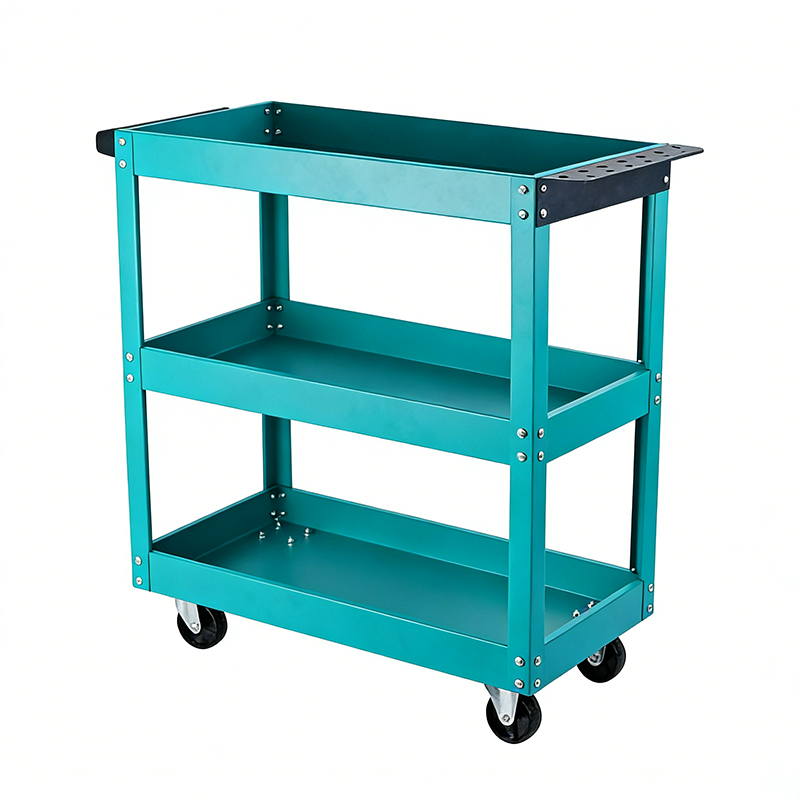
This is a **Three-Layer Auto Repair Tool Cart**, a multifunctional mobile maintenance storage device...
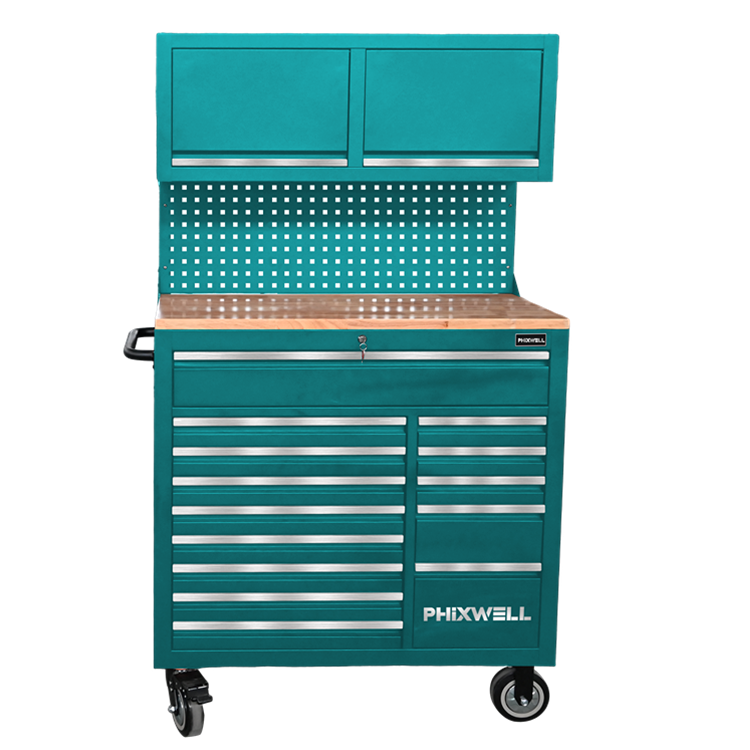
PHIXWELL Multifunctional Tool Workstation: Professional Grade Storage and Operation Integrated Solut...
Our annual output of more than 100,000 tool cabinet can meet the needs of customers with different purchase volumes.

+86-18658800788
+86-0512-58499000

New City Industrial Park, No. 108 Sizha Road, Yangshe Town, Suzhou, Jiangsu, China

