 en
en  English
 Deutsch
Workshop Modular Storage Combination Cabinet
# Workshop Modular Storage Combination Cabinet (Model 719610) Product Introduction This workshop sto...

A well‑chosen garage storage cabinet does more than hide clutter — it transforms an underused space into a functional workshop, parking bay, or hobby zone. The right garage storage cabinets protect tools from dust and humidity, keep chemicals safely locked away, and put frequently used items at arm’s reach. Whether you need a single garage tool storage cabinet for a compact collection or an entire garage cabinet system that lines every wall, the underlying principles of load capacity, material, and configuration determine how satisfied you will be five years after installation.
When comparing storage options, a metal garage storage cabinet consistently outperforms particle‑board or plastic alternatives in load capacity, fire safety, and durability. A quality powder‑coated steel cabinet with a gauge of 18–22 (approximately 1.2–1.6 mm thickness) can support 80–150 kg per shelf, whereas a typical plastic resin cabinet is limited to 30–50 kg. Metal cabinets also resist warping in the temperature swings common in uninsulated garages, where summer heat can exceed 45°C (113°F).
Heavy duty garage cabinets often feature reinforced door frames, double‑wall construction, and welded seams that allow them to hold engine blocks, transmission jacks, or bulk fasteners without sagging. These units can weigh over 100 kg empty and require bolting to the wall for stability. In environments where moisture is a concern — such as coastal garages — stainless steel or galvanized steel cabinets provide the best corrosion resistance, though their cost is typically 30–50% higher than painted carbon steel.
For anyone who spends time searching for sockets, drill bits, or fasteners, garage cabinets with drawers are the solution. A drawer cabinet with ball‑bearing slides rated for 45–70 kg per drawer can hold a complete mechanics tool set while allowing full extension for easy access. The most practical configurations combine a deep bottom drawer for power tools with several shallow top drawers for small parts, eliminating the need for separate tool chests that occupy floor space.
Drawer units also improve security. A tool storage cabinet for garage with a central locking bar that secures all drawers with a single key or padlock is standard on professional models. When specifying drawers, look for interlocking safety mechanisms that prevent more than one drawer from opening at a time — this prevents the cabinet from tipping forward if heavily loaded, a critical feature when children have access to the garage.
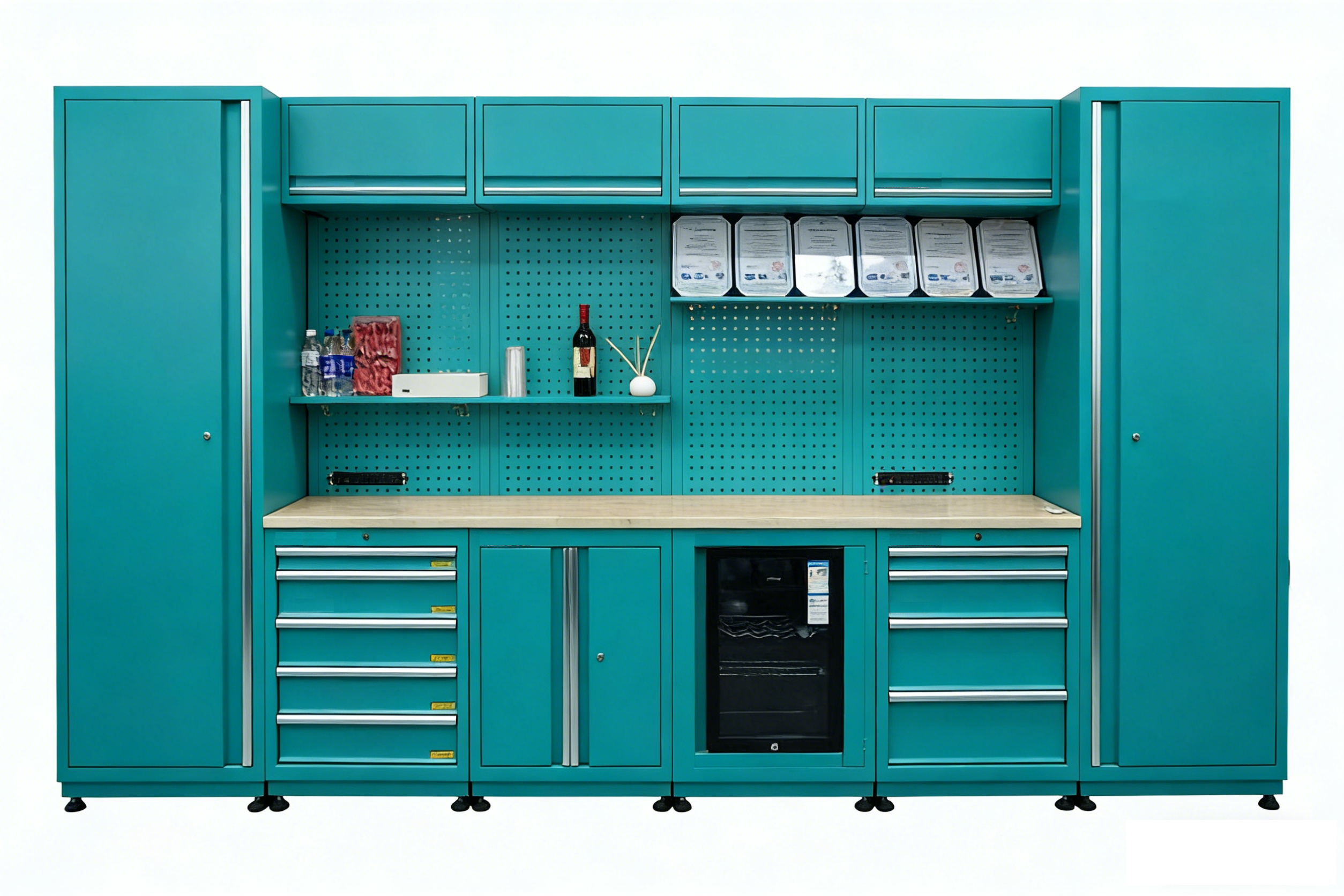
A garage cabinet with workbench integrates storage below a sturdy work surface, creating a self‑contained station for repairs, woodworking, or reloading. The workbench top is typically 25–40 mm thick solid wood, stainless steel, or high‑pressure laminate over a steel core. It must be capable of withstanding the impact of hammering and the weight of a bench vise without separating from the cabinet body.
The most efficient designs pair a central knee‑hole space for seated work with flanking tool storage cabinets for garage on either side. This layout keeps the most‑used tools visible on pegboards above the bench while heavy items stay in the cabinets below. When planning a workbench cabinet, allow at least 90 cm (36 inches) of clear depth in front of the bench for comfortable movement, and ensure the benchtop height matches the primary user’s standing elbow height — typically 95–105 cm — to avoid back strain during prolonged tasks.
A modular garage storage system allows homeowners to start with a few base cabinets and expand over time without replacing existing components. These systems are built around a common width module — typically 60 cm, 75 cm, or 90 cm — and a standardized height that matches base cabinets, wall cabinets, and tall locker cabinets. True modularity means you can add a drawer unit, a workbench, or an additional wall cabinet years later and achieve a seamless fit.
| Module | Typical Width | Height / Depth | Primary Use |
|---|---|---|---|
| Base cabinet | 60–90 cm | 85–90 cm H, 45–55 cm D | Heavy tools, bulk supplies, workbench support |
| Wall cabinet | 60–90 cm | 45–60 cm H, 30–40 cm D | Spray cans, safety gear, light items |
| Tall locker | 45–60 cm | 180–200 cm H, 45–55 cm D | Long‑handle tools, seasonal equipment |
| Drawer unit | 45–75 cm | 40–55 cm H (fits under workbench) | Hand tools, fasteners, small parts |
| Workbench top | Spans multiple cabinets | 2.5–4 cm thick, 55–65 cm D | Assembly, repair, reloading |
The advantage of a modular approach is that it eliminates the need for a custom‑built wall unit that cannot be reconfigured. If your tool collection shifts from woodworking to automotive, you can swap a shelf cabinet for a drawer module without tearing out the entire installation. Studies of garage organization projects show that modular systems reduce wasted space by approximately 30% compared to mixed, non‑coordinated cabinets because every centimeter of wall area is utilized.
Proper installation of garage storage cabinets is not cosmetic — it is structural. A fully loaded heavy duty garage cabinet can exert a downward force of over 500 kg on its mounting points. Wall cabinets must be anchored into wall studs or masonry with lag bolts rated for shear loads of at least 150 kg per bolt. Cabinet feet should be individually adjustable to compensate for the 1–2% slope typically built into garage floors for drainage; without adjustment, cabinet doors will hang unevenly and the frame will twist over time.
Weight distribution inside the cabinet also matters. Heavy items such as tool sets, paint cans, and battery chargers belong in base cabinets and the bottom shelves of tall lockers. This lowers the center of gravity and reduces the risk of tipping. All garage cabinets taller than 90 cm should be secured to the wall with anti‑tip brackets, regardless of how stable they appear when empty. In earthquake‑prone regions, additional L‑brackets at the top corners and safety straps are recommended for any cabinet exceeding 120 cm in height.
Moving from a bare garage to a fully functional garage cabinet system follows a sequence that maximizes value and minimizes rework:
A typical two‑car garage outfitted with a modular garage storage system of base cabinets along one wall, a run of wall cabinets, and a corner tall locker represents an investment of $2,000–$6,000 for quality metal units. This compares favorably to the cost of custom built‑in cabinetry, which can exceed $12,000, while offering the ability to remove or reconfigure the system when moving house. The key is to choose cabinets rated for the actual loads you intend to store and to anchor them correctly — a well‑installed garage storage cabinet will serve reliably for 15–20 years with no more than an occasional hinge adjustment and wipe‑down.
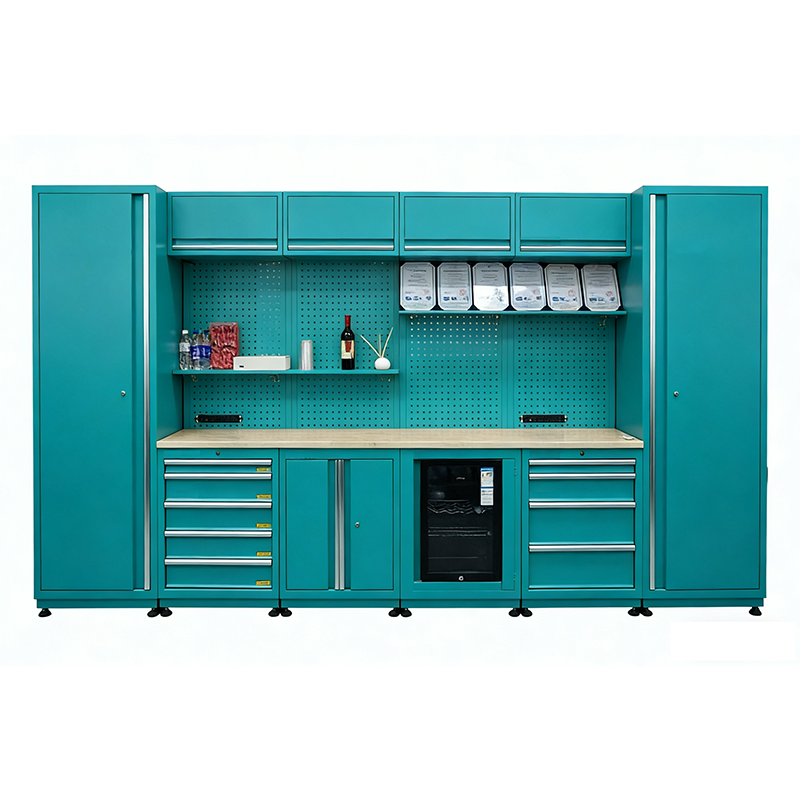
# Workshop Modular Storage Combination Cabinet (Model 719610) Product Introduction This workshop sto...
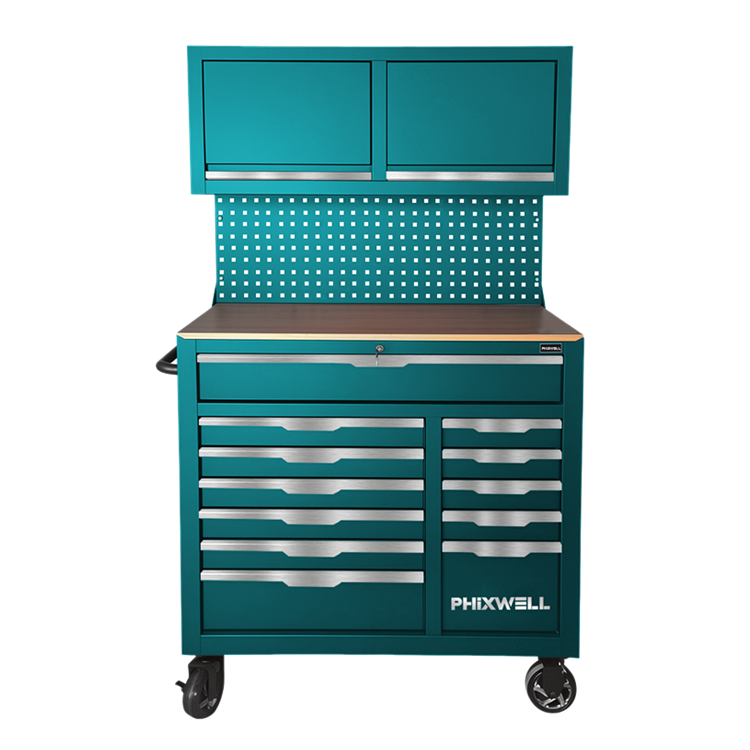
This is a heavy-duty multifunctional tool cabinet workbench set launched by the **PHIXWELL** brand, ...
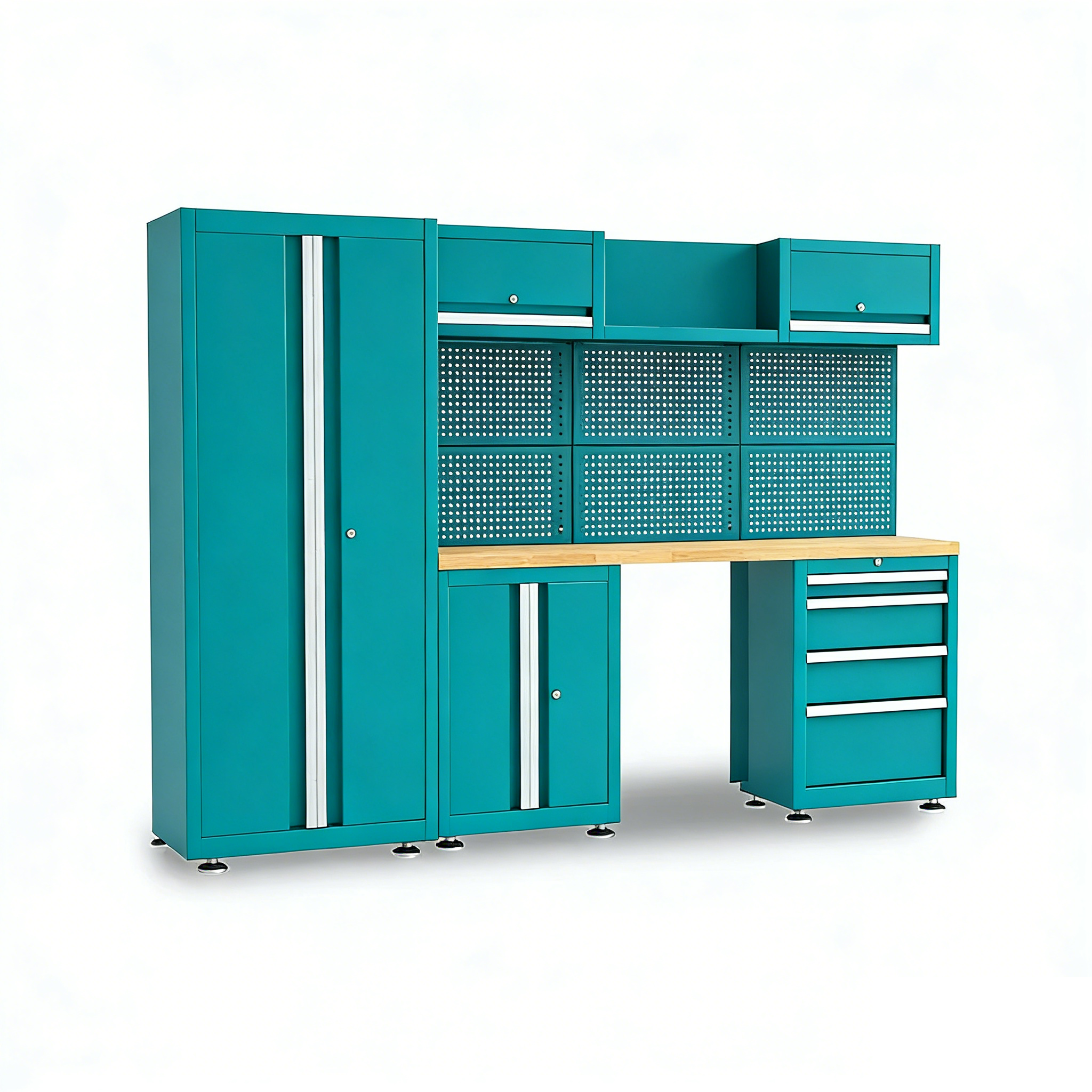
Multifunctional Tool Storage Combination Cabinet Material and appearance: Made of premium cold steel...
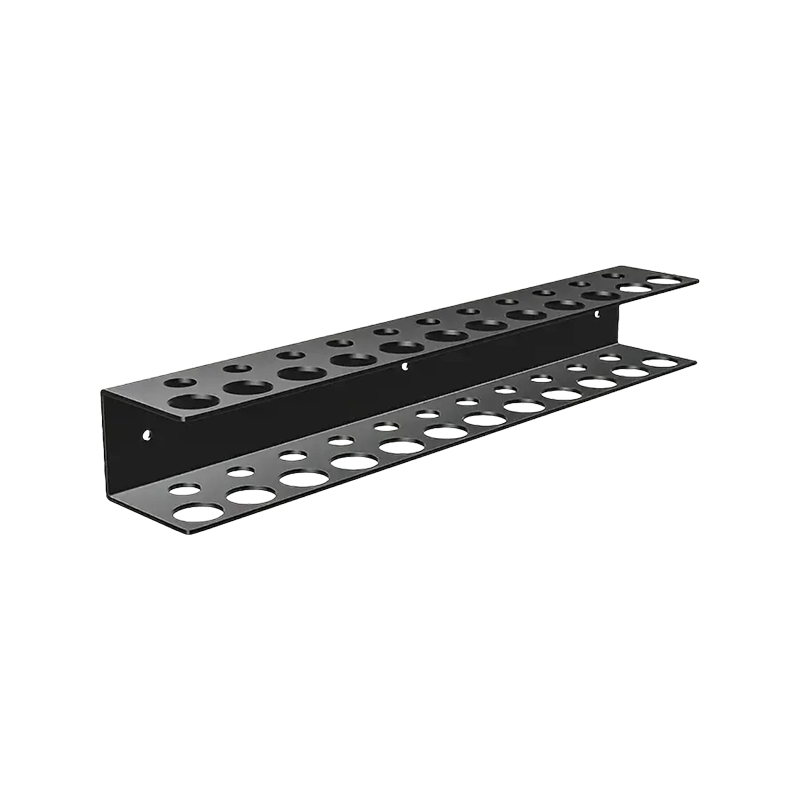
Clear classification: Usually, there are multiple independent slots or hooks, which can be divided a...
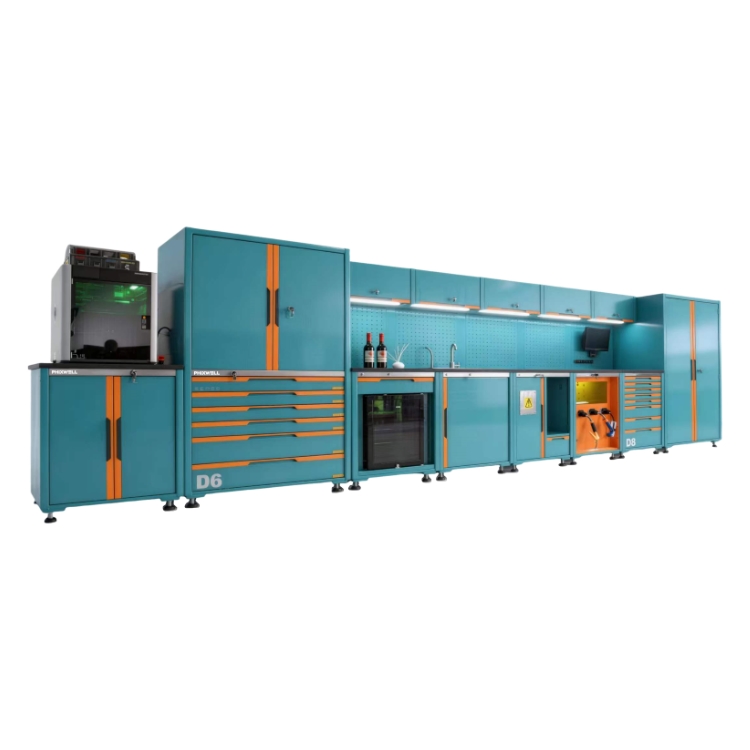
Modular Industrial Workstation & Tool Storage System Product Overview Our Modular Industrial W...
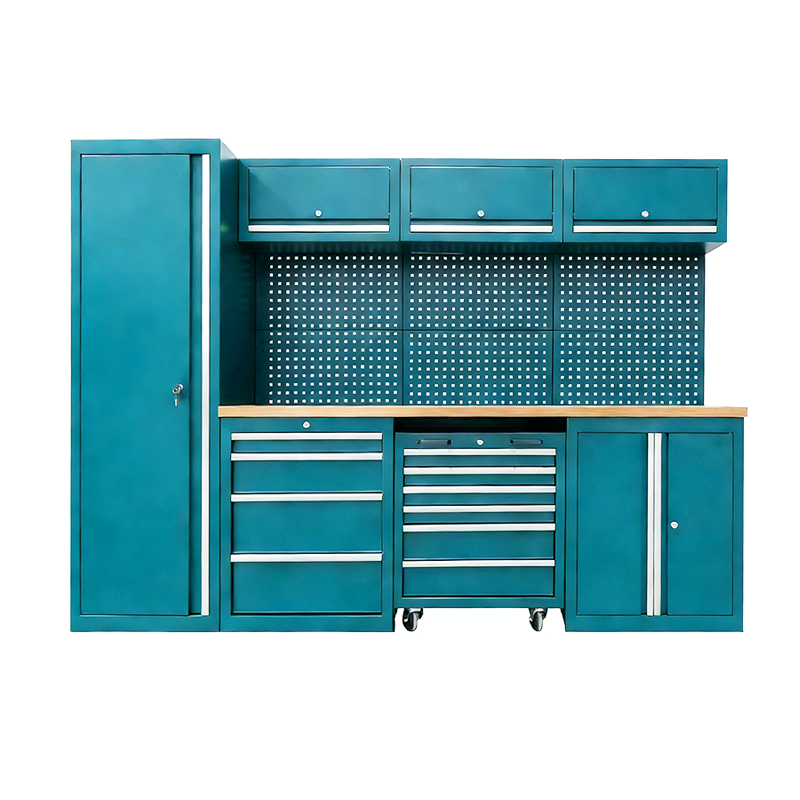
The PHIXWELL 3+1 Classic Garage Storage Cabinet is crafted from high-strength steel, ensuring durabi...
Content
Our annual output of more than 100,000 tool cabinet can meet the needs of customers with different purchase volumes.

+86-18658800788
+86-0512-58499000

New City Industrial Park, No. 108 Sizha Road, Yangshe Town, Suzhou, Jiangsu, China

