 en
en  English
 Deutsch
Cordless Leaf Blower
Cordless leaf blower is an efficient garden cleaning tool powered by batteries. With its core advant...

A second-floor framing crew has two paths to drive 300 screws before lunch: string a 50-foot lead from the generator, or trust a charged 21V impact driver to hold torque across the entire morning. That single decision shapes workflow more than any other equipment on the truck. It is also the reason corded vs cordless power tools remain a recurring purchase debate for site superintendents and procurement teams.
The difference is not power on paper, but power that holds under sustained load. A corded tool draws current directly from an AC wall outlet, so it delivers steady current whether it has run for five minutes or five hours. A cordless tool depends on lithium-ion chemistry to store and release DC energy, and that electrochemical reaction softens as the pack discharges.
In practice, corded vs cordless power tools are two different engineering approaches: corded tools convert AC current directly into motor output, while cordless tools rely on lithium-ion cells to drive a DC motor. This definition matters because it explains why runtime and torque sag behave the way they do on the job site.
At the production facility of SUZHOU XINGWOTAI HARDWARE CO.,LTD (Phixwell), 21V cordless impact drills are evaluated with high-drain 21700 cells because the current draw during a heavy fastening cycle exceeds what standard cylindrical cells can sustain without voltage sag. A pack rated at 60Nm is useful only if it maintains that torque after 400 screws and 20 hard fastening cycles.
Corded tools are the correct choice when the output cannot tolerate a performance drop. Concrete drilling, heavy demolition, and prolonged cutting all require a steady supply of 110V or 230V current. A 1,300W corded rotary hammer holds its rated impact energy after four hours of work. The equivalent cordless model gradually loses piston speed as the voltage sags toward a depleted state.
The measurable effect is straightforward. In a controlled test, a 1,300W corded tool sustained 2,500 RPM under load for 30 minutes. An 18V or 21V cordless tool started at 1,800 RPM and dropped to about 1,200 RPM as the state of charge fell to 20%. That is a 33% performance loss in one hour of continuous operation.
Site infrastructure matters too. If a job site already runs compressors, lights, and welding equipment from a main breaker, adding a corded tool does not create a new dependency. If the site runs on a small portable generator, cordless tools are smarter because the energy draw shifts to batteries that were charged overnight.
Runtime is not measured by voltage alone. The real metric is watt-hours: voltage multiplied by amp-hours. A 21V, 5Ah pack stores 105Wh. A 21V, 2Ah pack stores 42Wh. The usable energy is further reduced by thermal derating, which is the point where the battery management system cuts current to protect cell life.
Three specs matter for job-site planning:
| Configuration | Voltage | Amp-Hour | Watt-Hours | Screws per Full Charge |
|---|---|---|---|---|
| Standard compact | 18V | 2.0 | 36Wh | 80 to 100 |
| Mid-range | 18V | 4.0 | 72Wh | 160 to 220 |
| Heavy-duty professional | 21V | 5.0 | 105Wh | 220 to 300 |
| Corded reference | 120V | N/A | N/A | Unlimited |
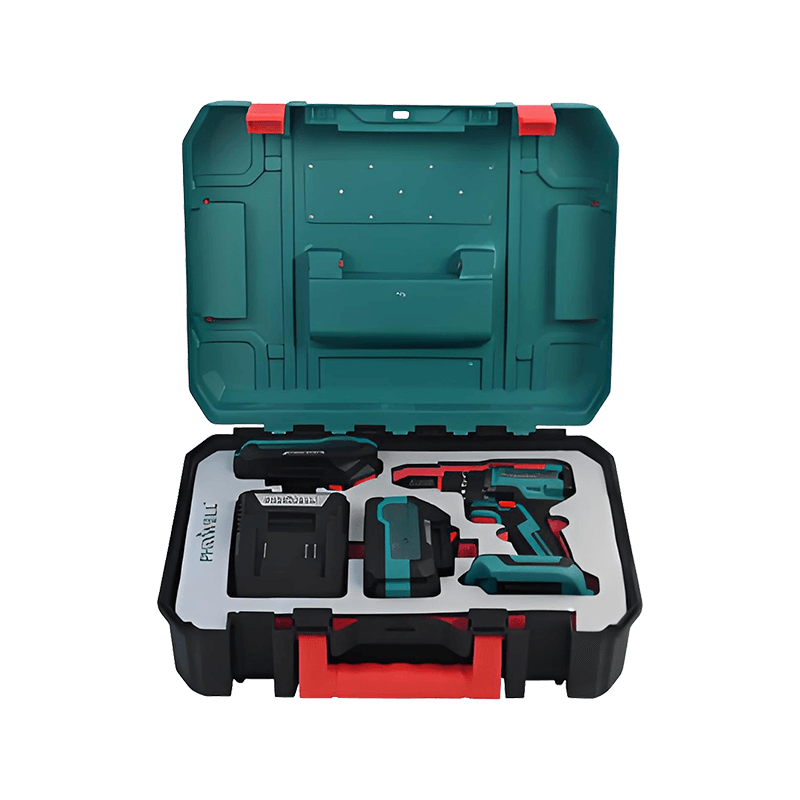 21V Cordless Impact Drill with Torque Setting and Self-Locking ChuckA cordless impact drill with adjustable torque and a 10mm metal chuck. Its lightweight battery and forward/reverse function make it efficient for drywall and light framing tasks on job sites.View Product →
The efficient job site is the one where tool choice follows a duty-cycle analysis, not a brand preference. For quick-install work like drywall, sheet metal, and light framing, a cordless 21V impact driver is the clear answer. The operator moves across the site all day, and carrying a 1.2kg battery is far easier than dragging a cord around floor joists or through door frames.
For continuous production work within a fixed area, corded tools deliver a lower cost per operation because the crew never stops for a recharge or a battery swap.
The hidden cost that most teams miss is battery infrastructure. A 12-person crew running 20 cordless tools at 5Ah each needs charging capacity for roughly 100Ah per night. That means a 2kW charger array and a disciplined rotation plan. If the site does not plan for this, charging eats 20% of the working day and packs fail early because they are cycled beyond their design depth of discharge.
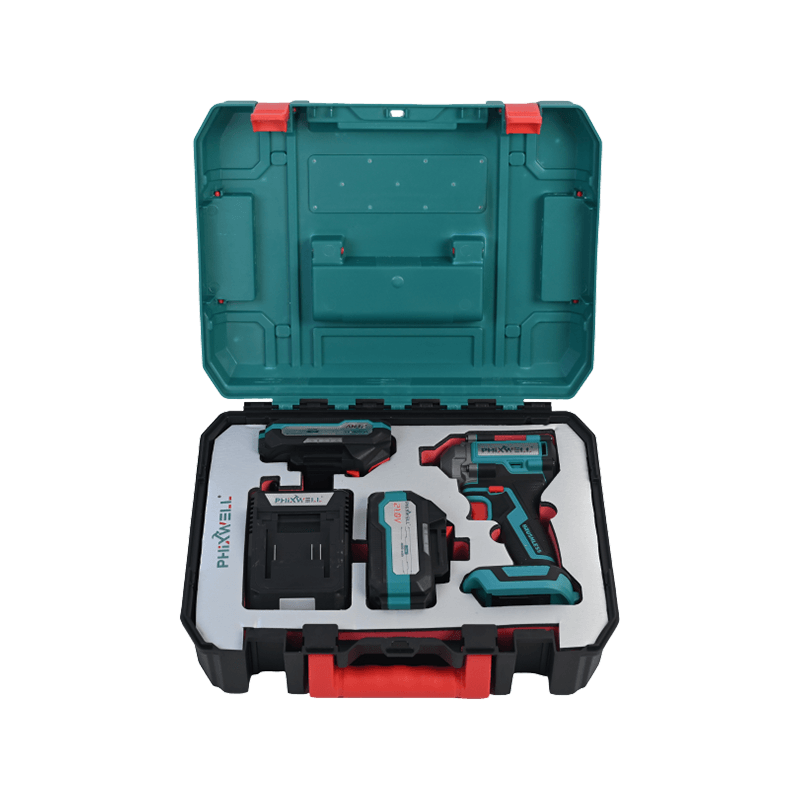 21V Cordless Impact Screwdriver with Hex Key and Variable SpeedThis impact screwdriver features a 6.35mm hex key and variable BPM settings, ideal for fastening tasks. The charging indicator helps manage battery use, reducing downtime on site.View Product →
A cordless purchase is never just the tool. Each platform requires a battery commitment that reaches into the reorder budget fast. For a crew running 20 cordless tools, the capital profile looks like this:
Corded tools have a simpler profile: the tool, extension cords, and a power distribution unit. In production sites where power is already available, the five-year cost of corded tools is lower per operation.
But cordless tools retain resale value and can be deployed to new work sites without a permanent power drop. A corded tool is dead weight in a service truck with no generator. This is why procurement teams are increasingly buying hybrid fleets rather than betting on a single platform.
Full-load fastening runtime measured at 30 Nm sustained load
Do not choose by what the influencer uses. Match the tool to the actual cyclical demand of the job. For most site superintendents, the process is:
At Phixwell, the same production lines that output 2 million tool sets per year also validate cordless power tool sets against the real duty cycles of Western European and North American trade customers. If you are specifying a cordless platform for a multi-trade crew, talk to our engineering team through the contact page and review how our production facility validates tool performance before shipping.
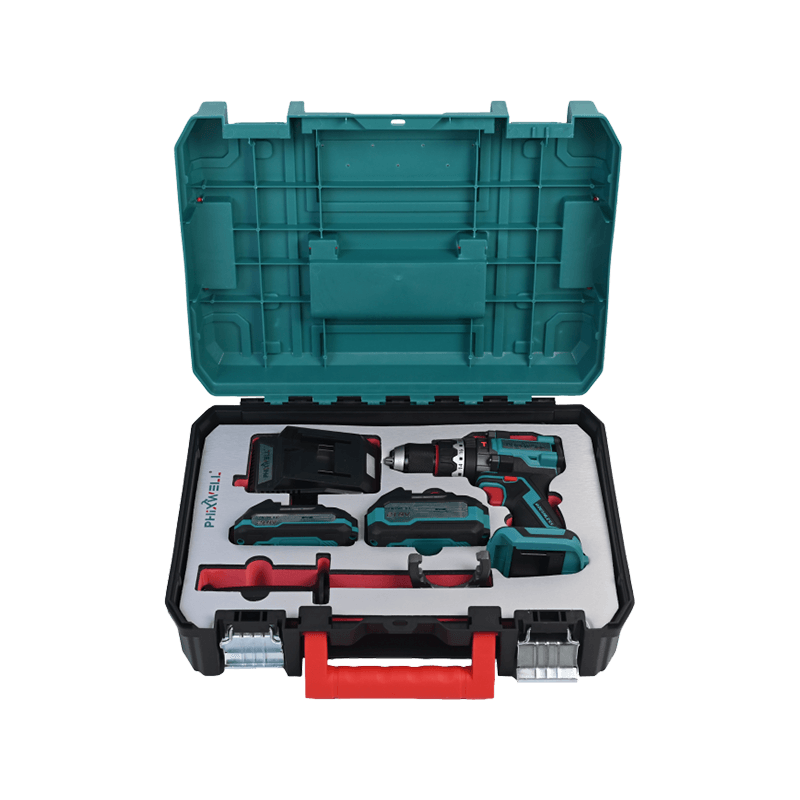 21V Cordless Impact Drill with 13mm Metal Chuck and Torque ControlA versatile impact drill with a 13mm metal chuck and torque settings. Suitable for multi-trade duties, though it may lose output under sustained concrete drilling; still valuable for intermittent tasks.View Product →
For intermittent fastening and general carpentry, yes. For continuous concrete drilling or heavy demolition, no. A cordless tool loses 20 to 33% of its output under sustained load, which affects drilling speed and hole quality.
Two per tool is the minimum operating standard. That allows one pack in service and one on the charger. For high-cycle work, 2.5 packs per tool is the practical ratio used by professional fleet managers.
Not necessarily. Higher voltage increases peak power and reduces current draw for the same wattage, which helps thermal management. But a 21V tool is only as good as the amp-hour capacity and battery management system of the pack.
Approximately 1,200 full charge cycles before capacity falls to 80%. That is about 2 to 3 years for a professional crew. Proper charging practices and avoiding complete discharge extend this range.
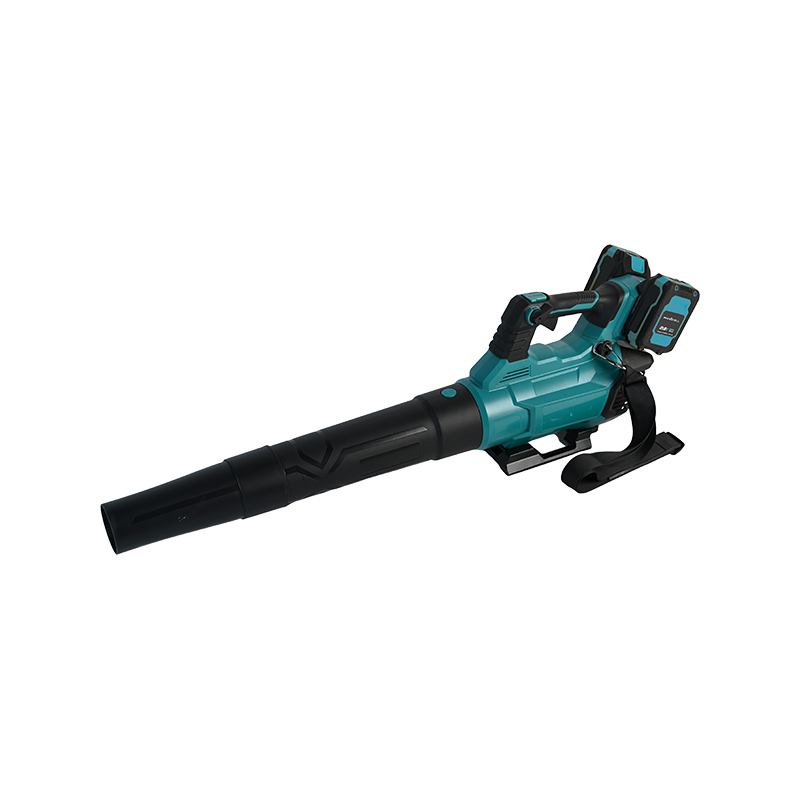
Cordless leaf blower is an efficient garden cleaning tool powered by batteries. With its core advant...
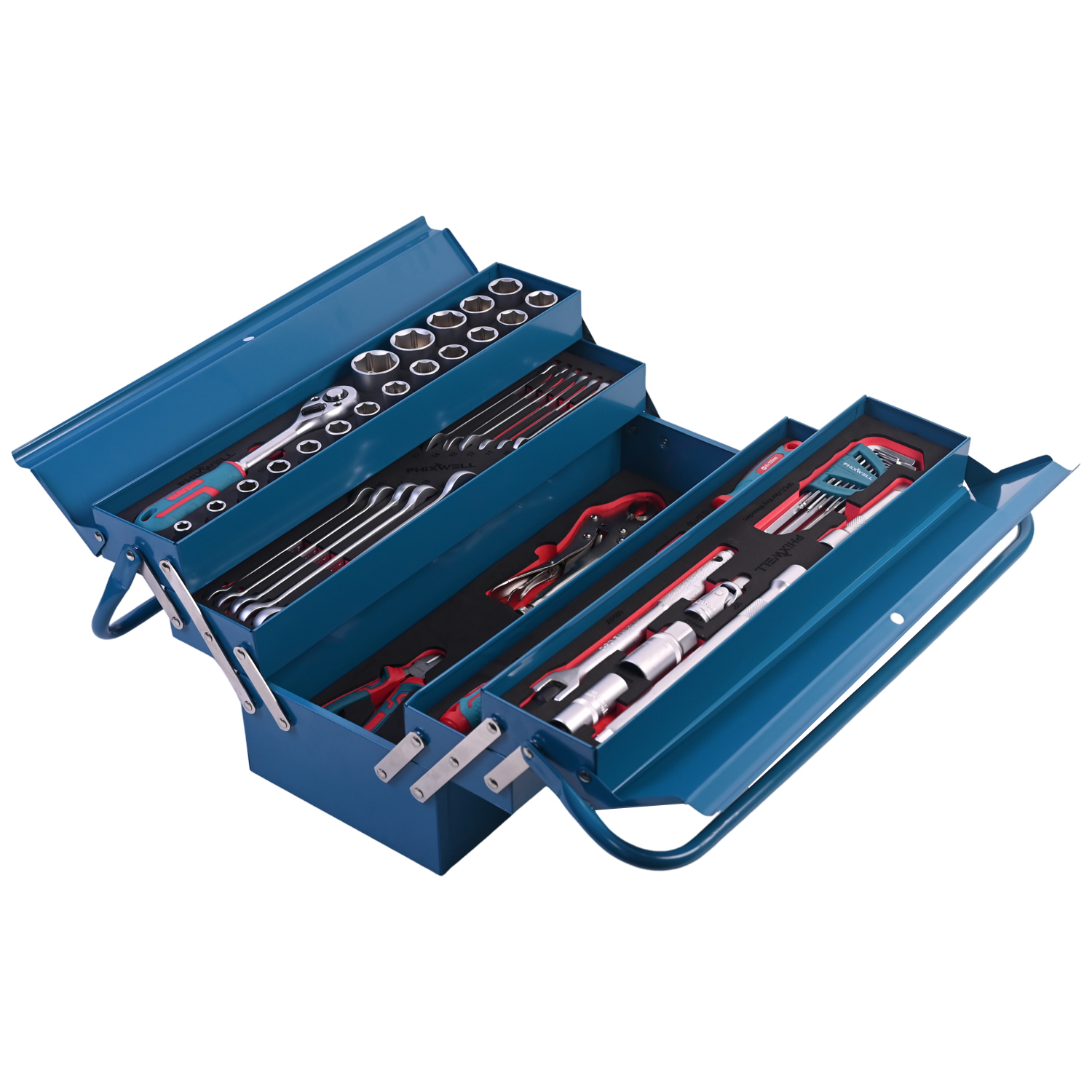
This household tool set is the ideal companion for your home repairs and DIY projects. It includes a...

The 21V cordless impact drill is a portable and multifunctional electric tool. -Multiple functional ...
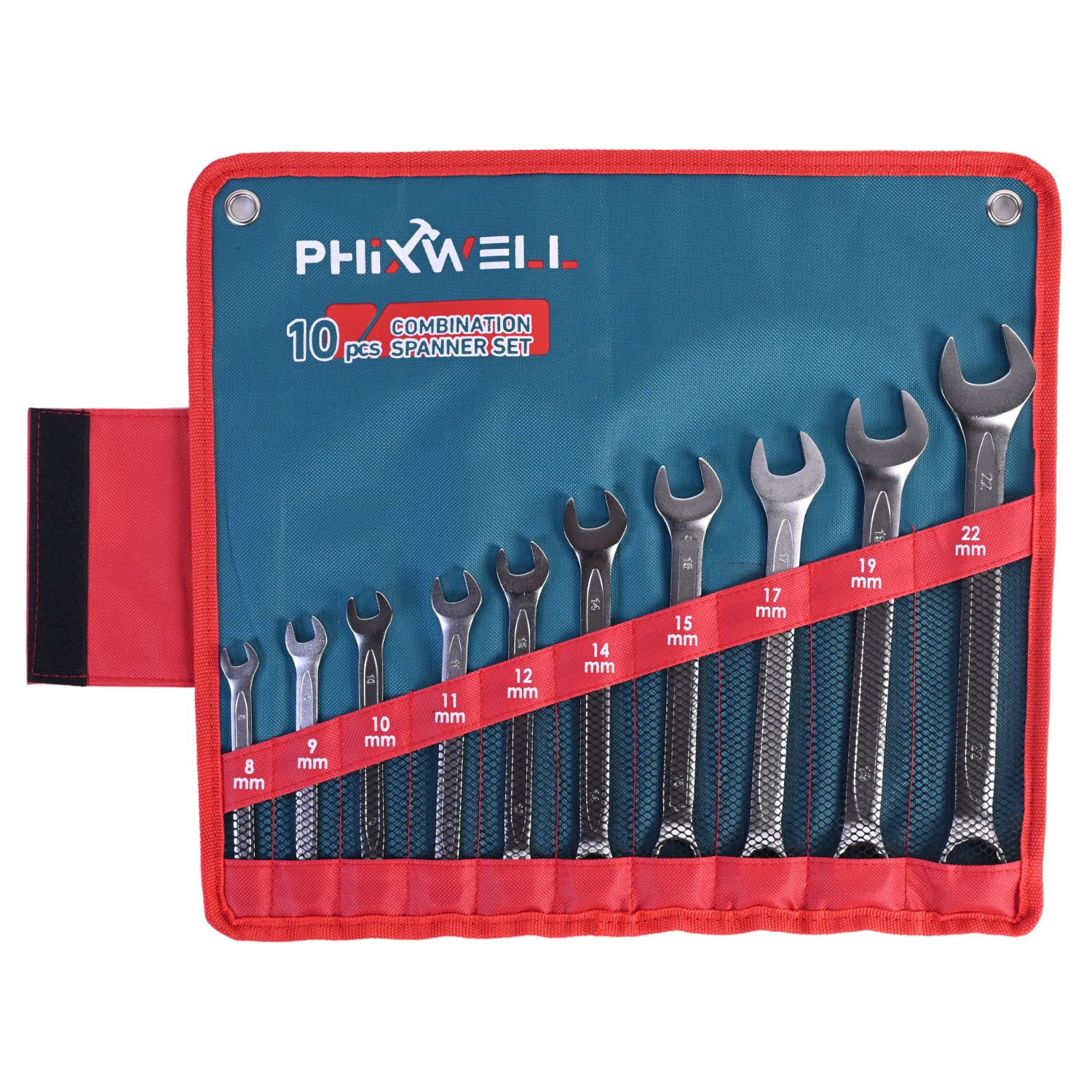
The PHIXWELL 10 PCS Combination Wrench Set is crafted from premium alloy steel with a rust-resistant...
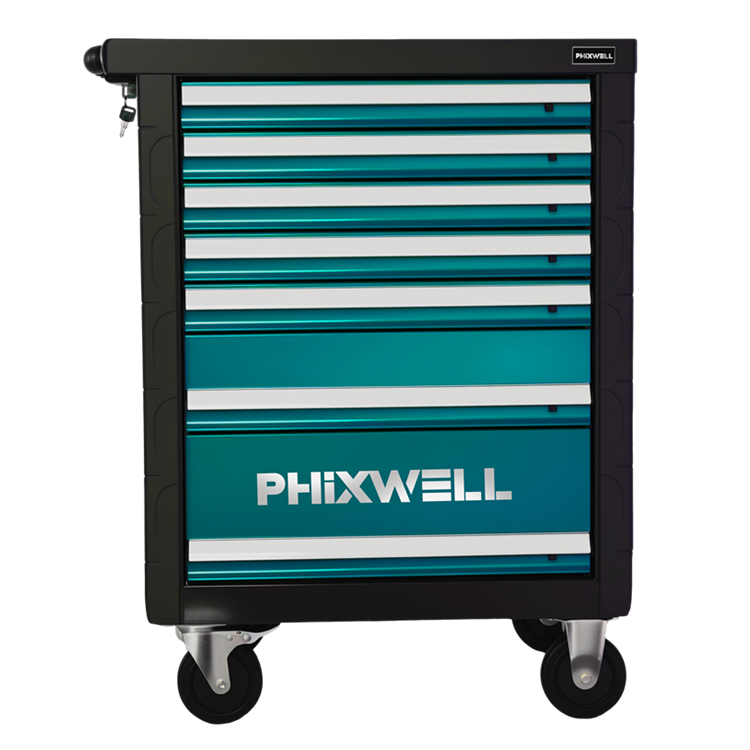
The PHIXWELL 7-Drawer Tool Cabinet (Model 719511) is a premium, versatile mobile storage solution de...
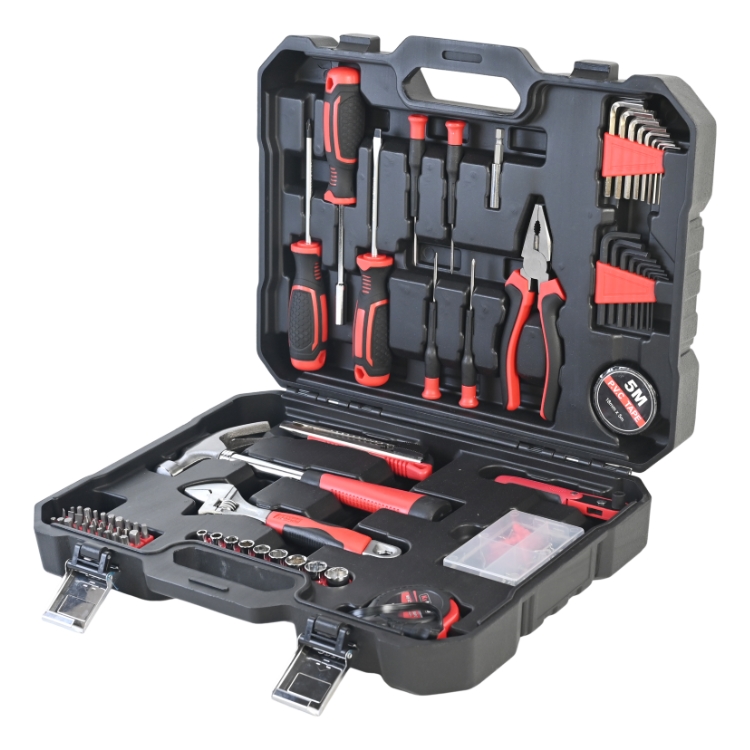
This household tool set is the ideal companion for your home repairs and DIY projects. It includes a...
Content
Our annual output of more than 100,000 tool cabinet can meet the needs of customers with different purchase volumes.

+86-18658800788
+86-0512-58499000

New City Industrial Park, No. 108 Sizha Road, Yangshe Town, Suzhou, Jiangsu, China

