 en
en  English
 Deutsch
Workshop Modular Storage Combination Cabinet
# Workshop Modular Storage Combination Cabinet (Model 719610) Product Introduction This workshop sto...

A multi-tool workstation combines a work surface with integrated storage, mounting points, and often power access into a single organized hub, replacing the scattered arrangement of a standalone workbench plus separate tool storage that many workshops start with. Choosing the right one comes down to matching work surface size, storage configuration, weight capacity, and mobility to how the space actually gets used — a workstation optimized for woodworking has different priorities than one optimized for electronics repair or automotive work, even though both fall under the same general product category.
Before comparing specific models or configurations, it's worth mapping out the actual tasks the workstation needs to support: what tools need to live within reach, what size materials or projects will sit on the work surface, and whether the station needs to move around the shop or stay fixed in one location — these answers shape every other decision that follows.
| Workbench Type | Best Suited For |
|---|---|
| Heavy-duty fixed workbench | Metalworking, heavy fabrication, applications needing maximum stability and weight capacity |
| Modular/mobile workstation | Multi-purpose shops needing to reconfigure or relocate workstations by task |
| Woodworking bench | Woodworking specifically, with integrated vises and clamping features |
| ESD-safe electronics bench | Electronics repair and assembly requiring static control |
| Cabinet/storage combo workstation | General repair shops needing integrated tool storage alongside the work surface |
A professional workshop generally benefits most from a workbench matched specifically to its primary work type, rather than a generic all-purpose bench — a shop handling multiple distinct work types often does better with several purpose-specific stations than one attempting to serve every function adequately but none particularly well.
Woodworking and general repair work place different demands on a workbench, even though both are common shop activities. Woodworking benches prioritize a flat, stable, often solid-wood work surface with integrated vise and clamping capability, since much of the work involves securing material firmly while cutting, planing, or joining — surface flatness and rigidity directly affect the accuracy of hand-tool woodworking operations in particular.
General repair benches, by contrast, often prioritize surface durability against a wider range of impacts and chemicals (oil, solvents, dropped tools) over the specific flatness woodworking demands, along with better integrated storage for the broader mix of tools and small parts typical repair work involves. If a shop handles both woodworking and general repair regularly, a dedicated woodworking bench alongside a separate general-purpose repair station typically serves better than trying to combine both functions into one compromise design.
Tool storage integration is one of the biggest practical differentiators between a basic workbench and a true workstation — the goal is minimizing the time and motion needed to retrieve and return tools during a task, since constant walking back and forth to a separate tool storage area meaningfully slows down repetitive work. Drawer and cabinet configuration should reflect actual tool usage patterns, with the most frequently used tools in the most accessible drawers, and specialized or rarely used tools further from the primary work zone.
A practical sizing approach
Rather than guessing at storage capacity needs, it helps to do a rough inventory of the tools that actually need a home at the workstation, sorted by frequency of use — this reveals both the total storage volume needed and which tools genuinely need to be within arm's reach versus stored further away.
Electrical and electronics work introduces a specific requirement most other workshop applications don't share: ESD (electrostatic discharge) protection for sensitive components, along with careful attention to electrical safety around the work surface itself. ESD-safe workbenches use static-dissipative surface materials and grounding provisions, protecting sensitive electronic components from static damage during handling and assembly — a standard wood or metal work surface lacks this protection and can pose a real risk to component-level electronics work.
Beyond ESD protection, electrical work benches also benefit from clearly organized, well-labeled storage for small components and connectors, integrated power distribution with appropriate circuit protection, and often built-in lighting with good color rendering to support precise visual inspection work.
Workbench sizing depends on the largest typical project or material the bench needs to accommodate, plus adequate clearance for tool use and movement around the work — a bench sized exactly to the largest project leaves no working margin, while one significantly oversized wastes valuable shop floor space. A useful starting approach is measuring the largest regularly handled item or project, then adding sufficient margin on each side for comfortable tool access and material handling, rather than defaulting to a generic "standard" bench size that may not reflect the specific work the shop actually performs.
Available floor space is the other half of the sizing equation — in smaller shops, a mobile or foldable workstation that can be sized appropriately for typical tasks while still fitting the available footprint often serves better than a maximally large fixed bench that limits floor space for other equipment or movement within the shop.
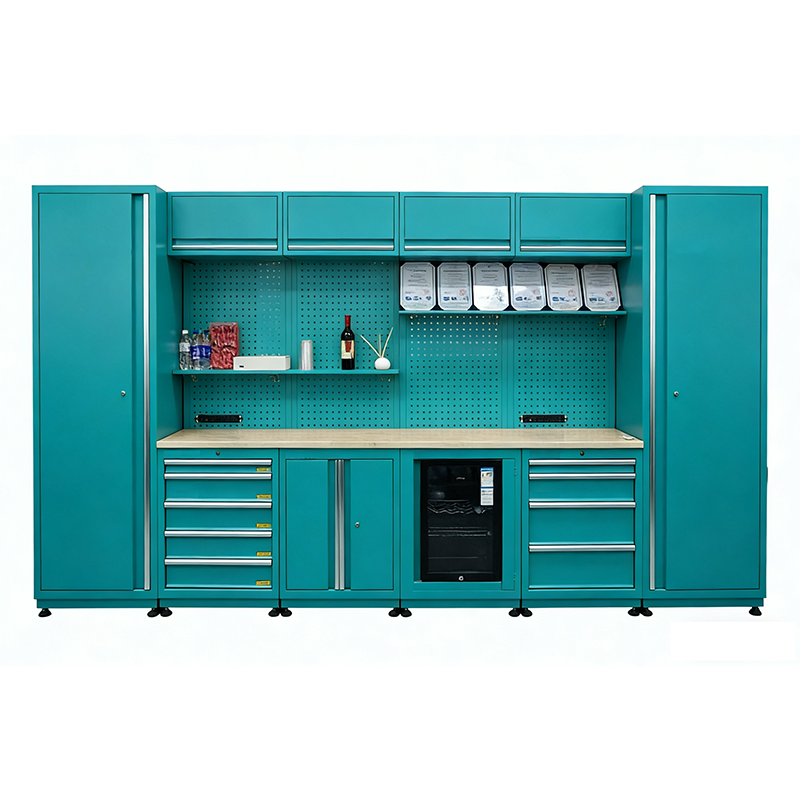
# Workshop Modular Storage Combination Cabinet (Model 719610) Product Introduction This workshop sto...
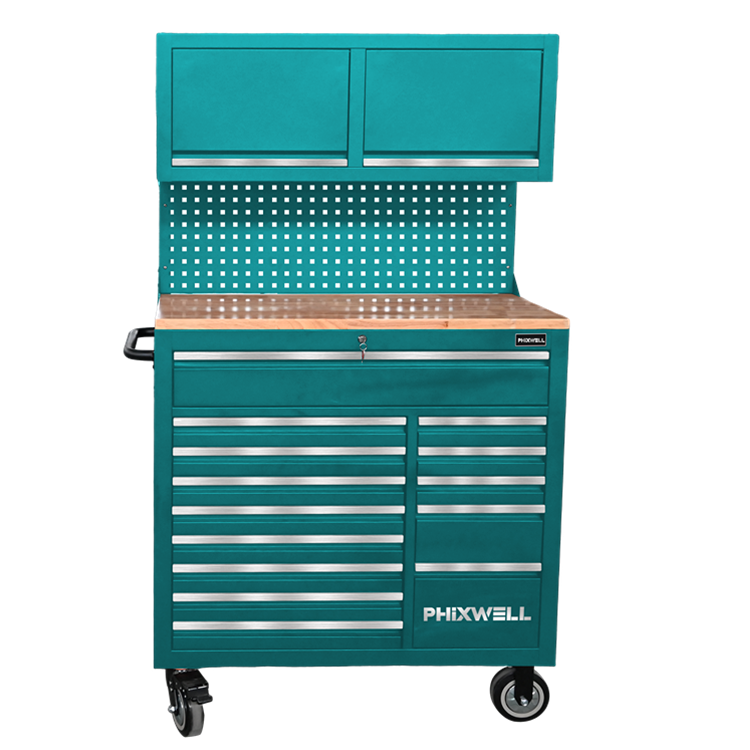
PHIXWELL Multifunctional Tool Workstation: Professional Grade Storage and Operation Integrated Solut...
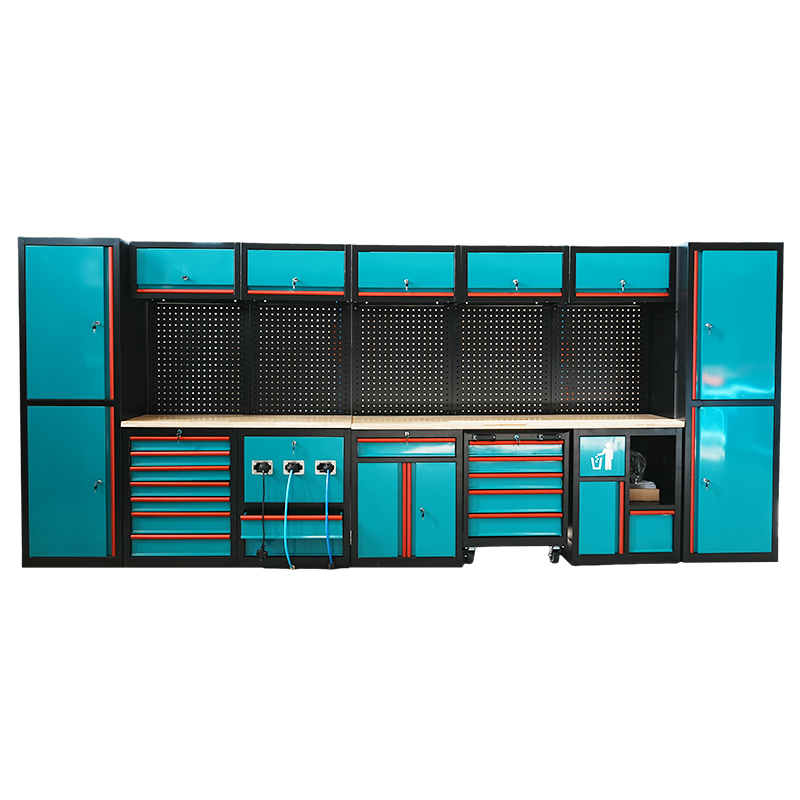
# Multifunctional Workshop Combination Cabinet: Professional Tool Storage and Work Integrated Soluti...
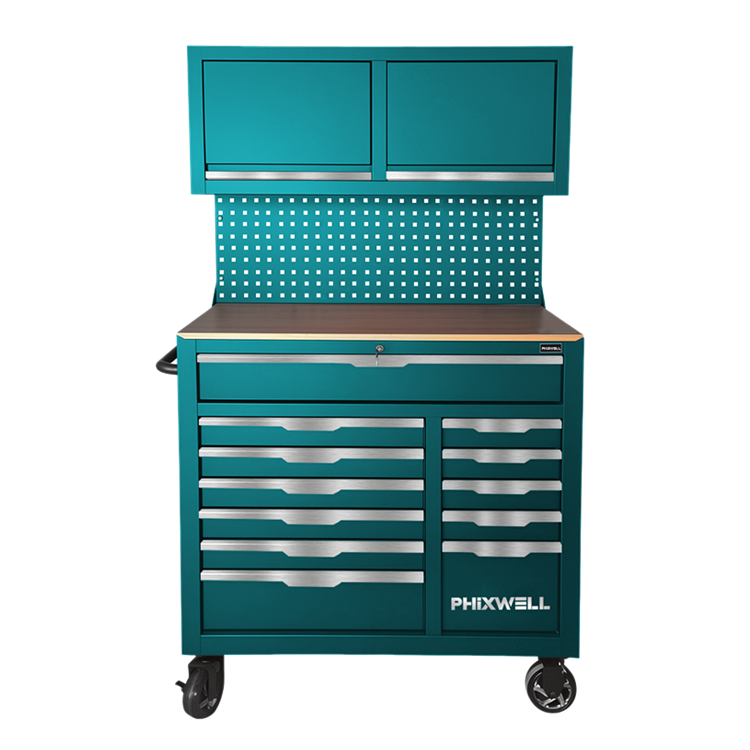
This is a heavy-duty multifunctional tool cabinet workbench set launched by the **PHIXWELL** brand, ...
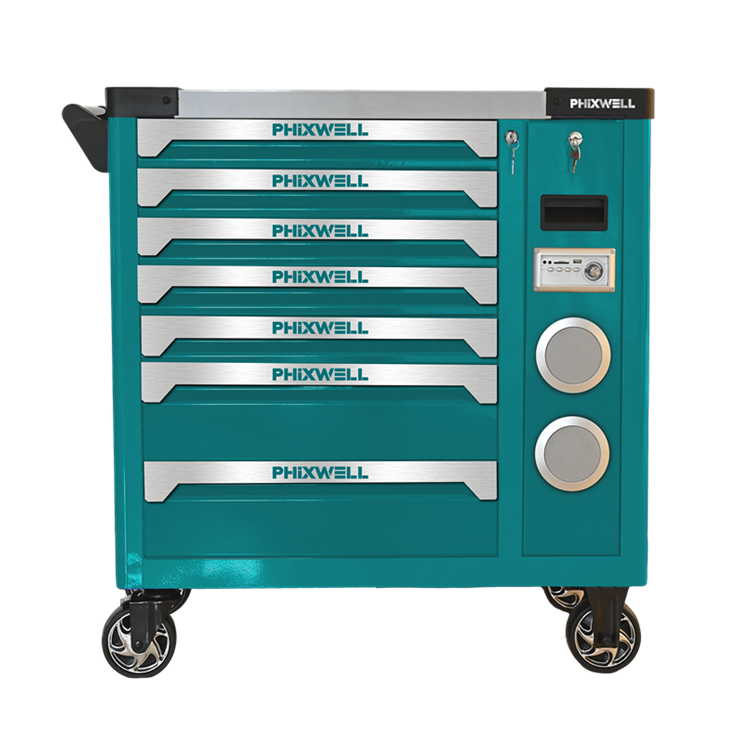
The PHIXWELL 719512 is a heavy‑duty, multifunctional tool cabinet engineered for professional work e...
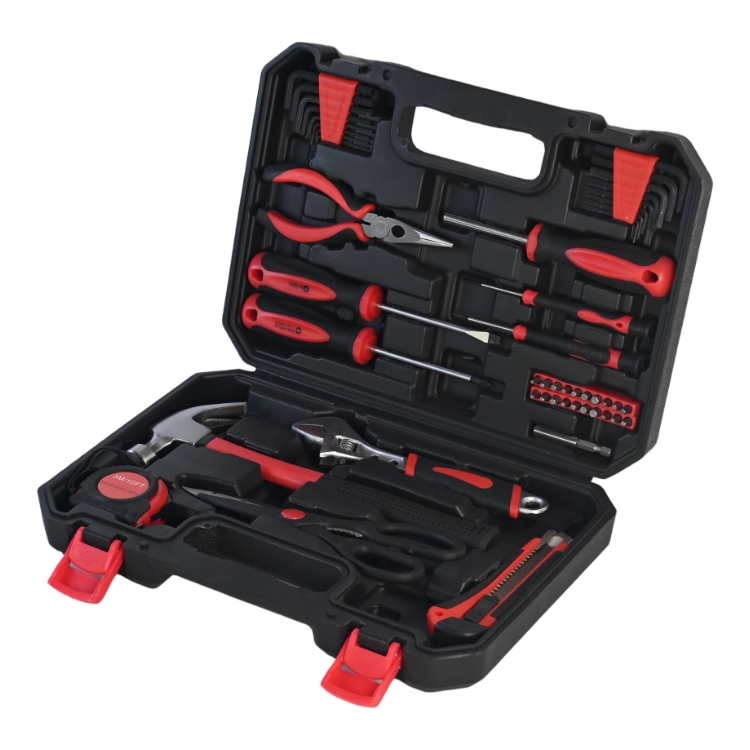
This household tool set is the ideal companion for your home repairs and DIY projects. It includes a...
Content
Our annual output of more than 100,000 tool cabinet can meet the needs of customers with different purchase volumes.

+86-18658800788
+86-0512-58499000

New City Industrial Park, No. 108 Sizha Road, Yangshe Town, Suzhou, Jiangsu, China

