 en
en  English
 Deutsch
719503 PHIXWELL 249pcs Tool Cabinet Tool Set
The tool cart group provides a set of tools to solve the problem of tool confusi...

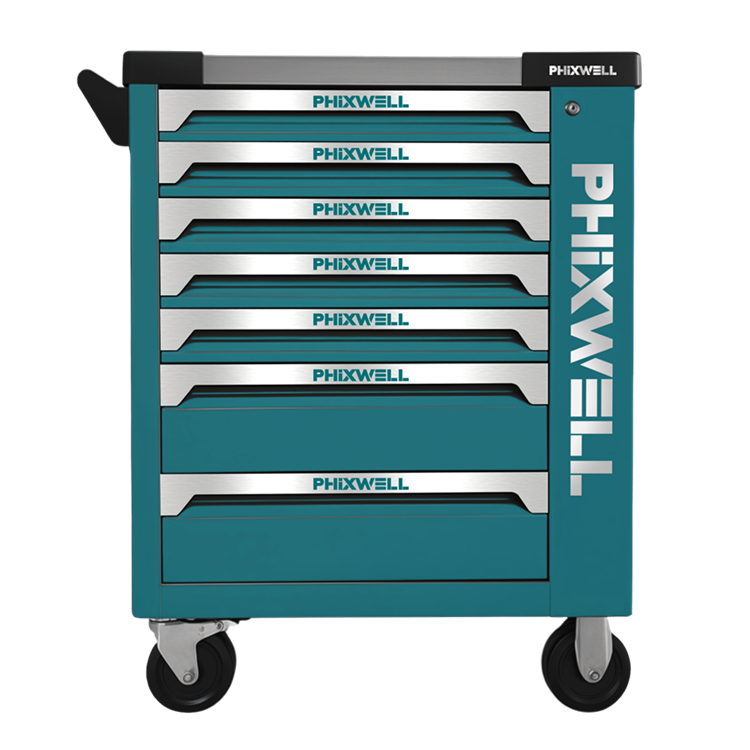
The tool cart group provides a set of tools to solve the problem of tool confusi...
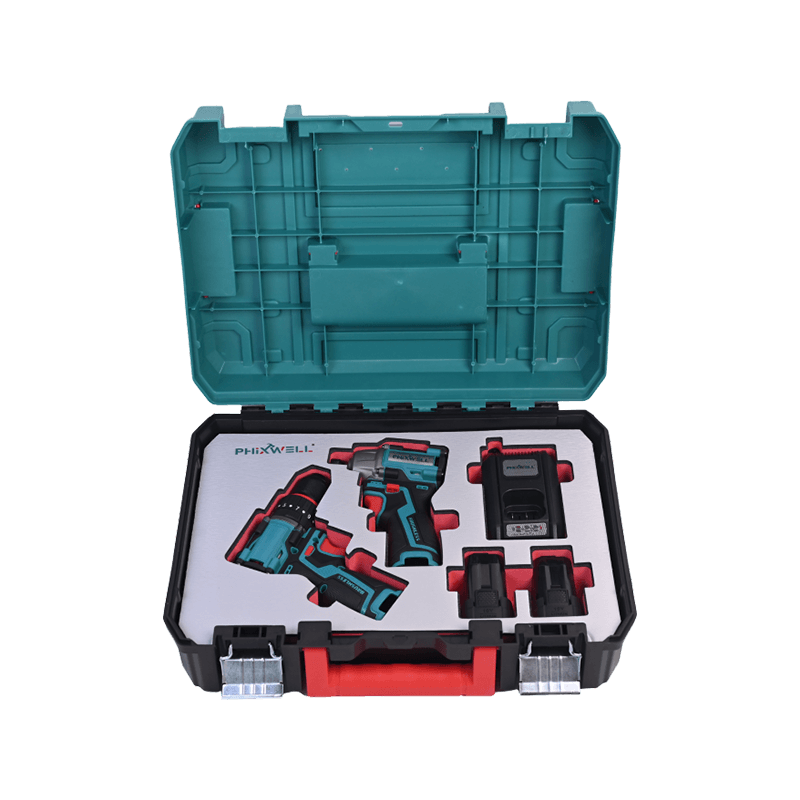
A multifunctional electric tool that combines "drilling+mild impact drilling", t...
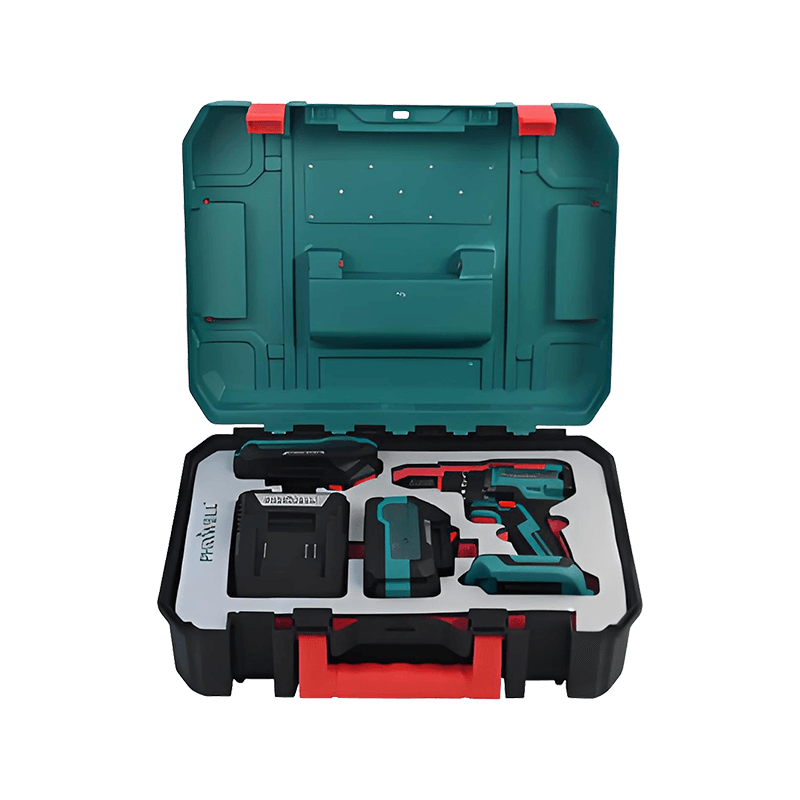
The 21V cordless impact drill is a portable and multifunctional electric tool. -...
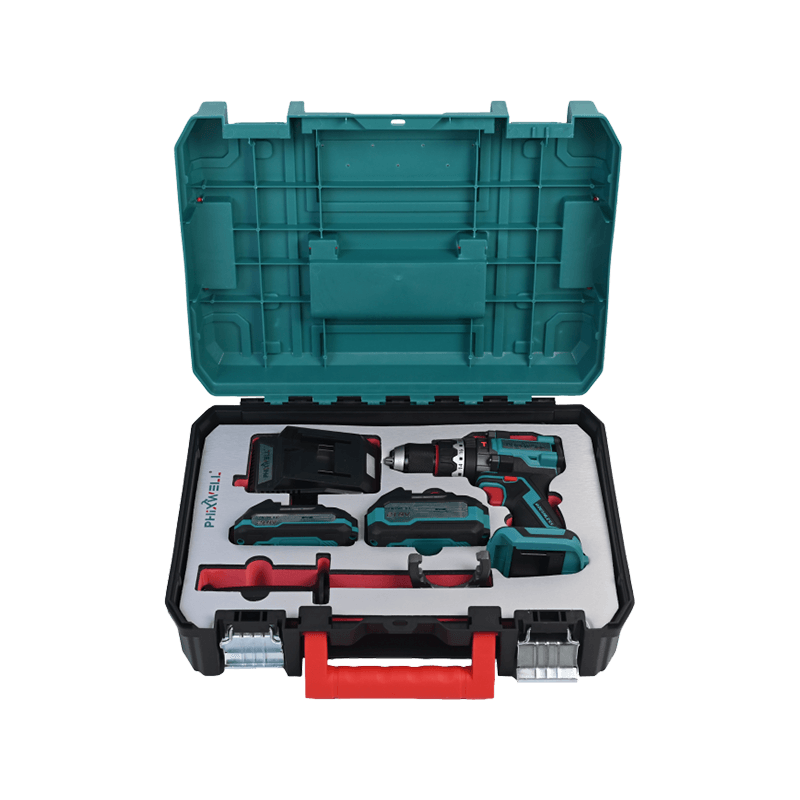
The impact drill is an electric tool that combines the dual functions of "drilli...
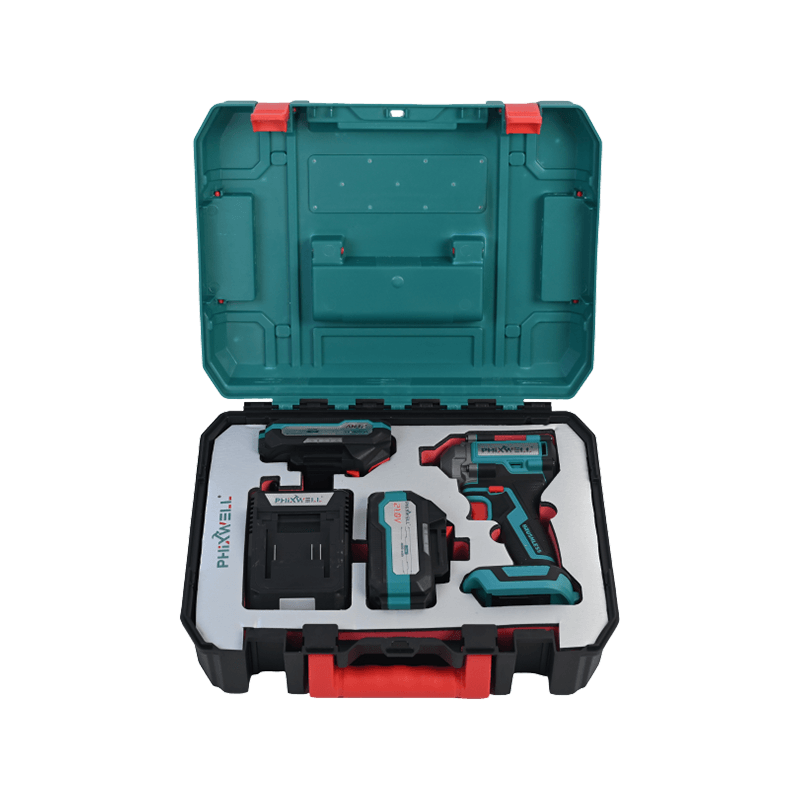
The impact screwdriver is an electric tool primarily designed for tightening and...
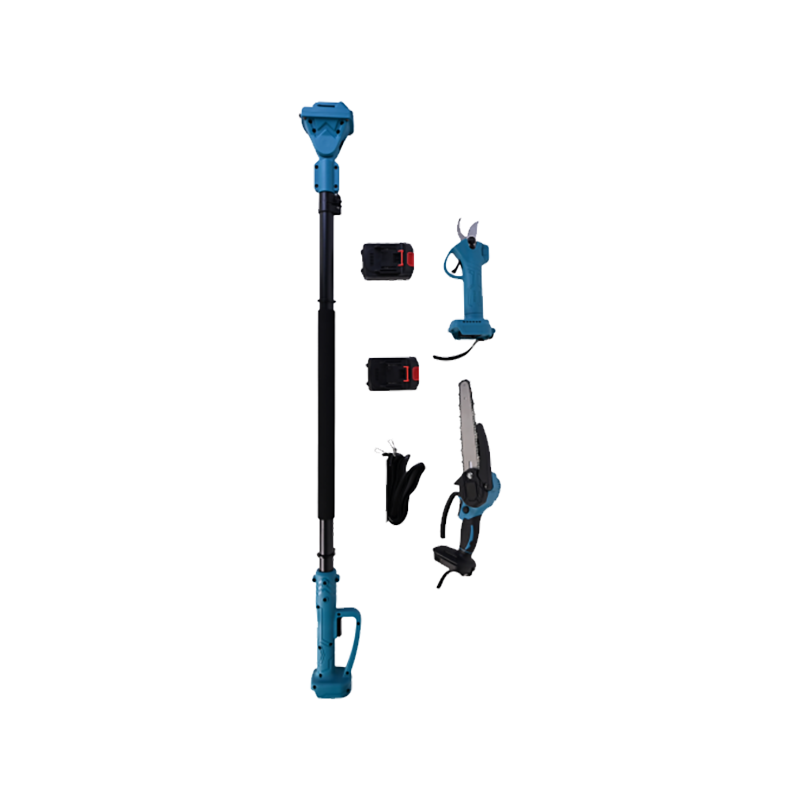
Easy to switch between handheld and high pole modes, suitable for trimming needs...
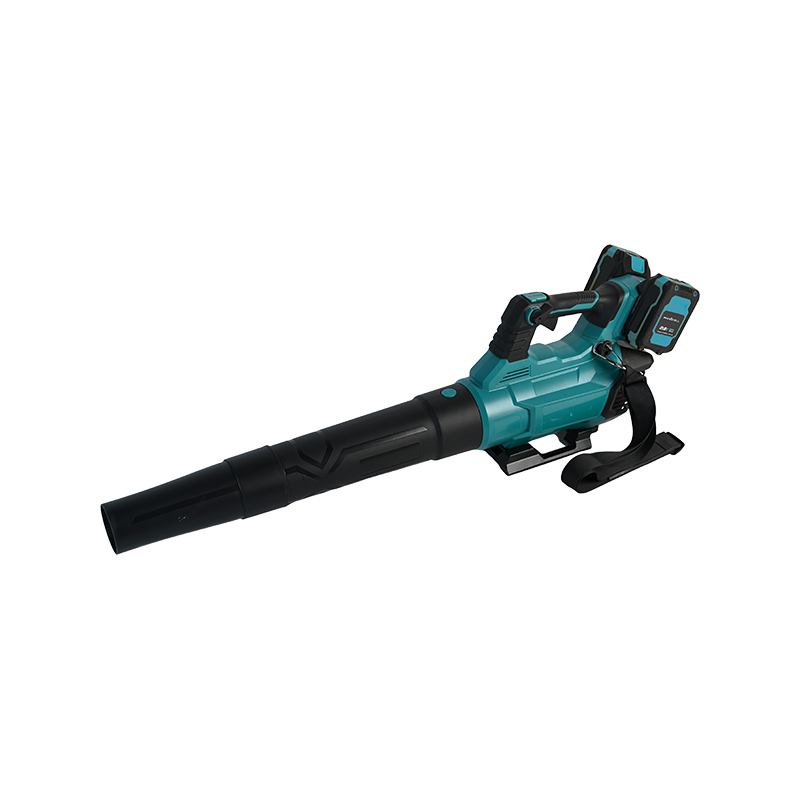
Cordless leaf blower is an efficient garden cleaning tool powered by batteries. ...
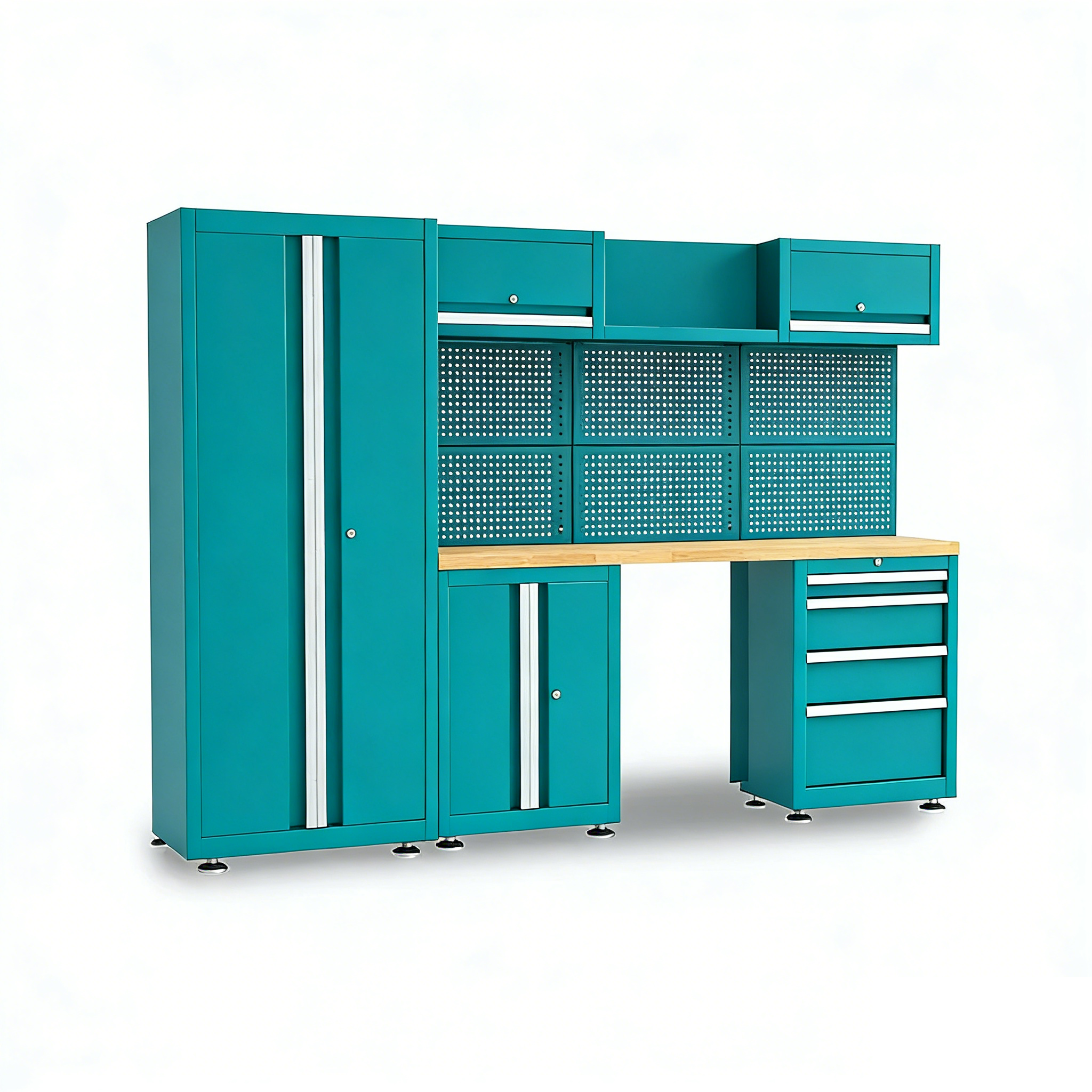
Multifunctional Tool Storage Combination Cabinet Material and appearance: Made o...
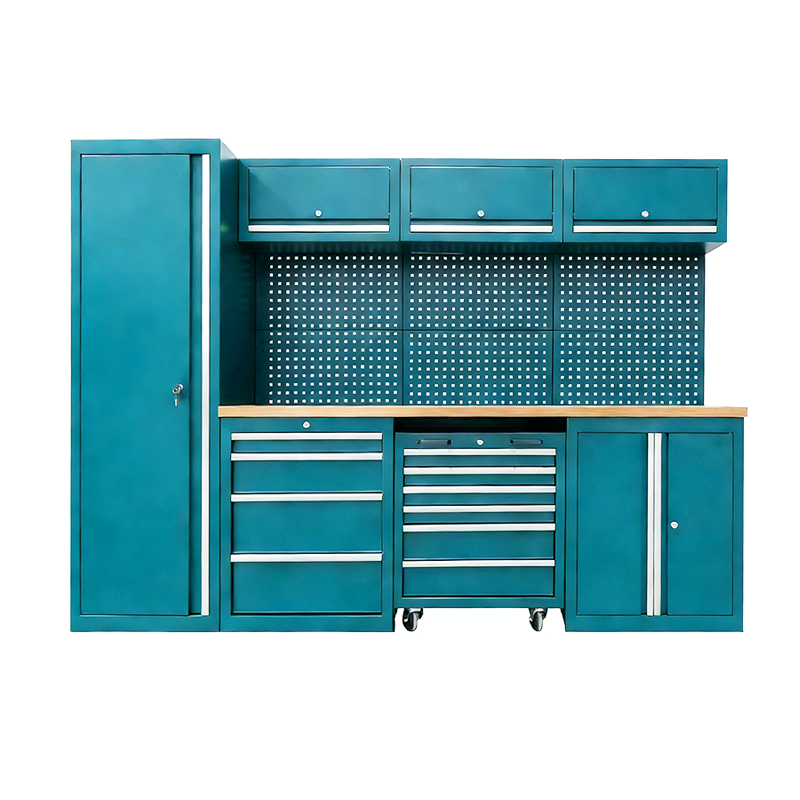
The PHIXWELL 3+1 Classic Garage Storage Cabinet is crafted from high-strength st...
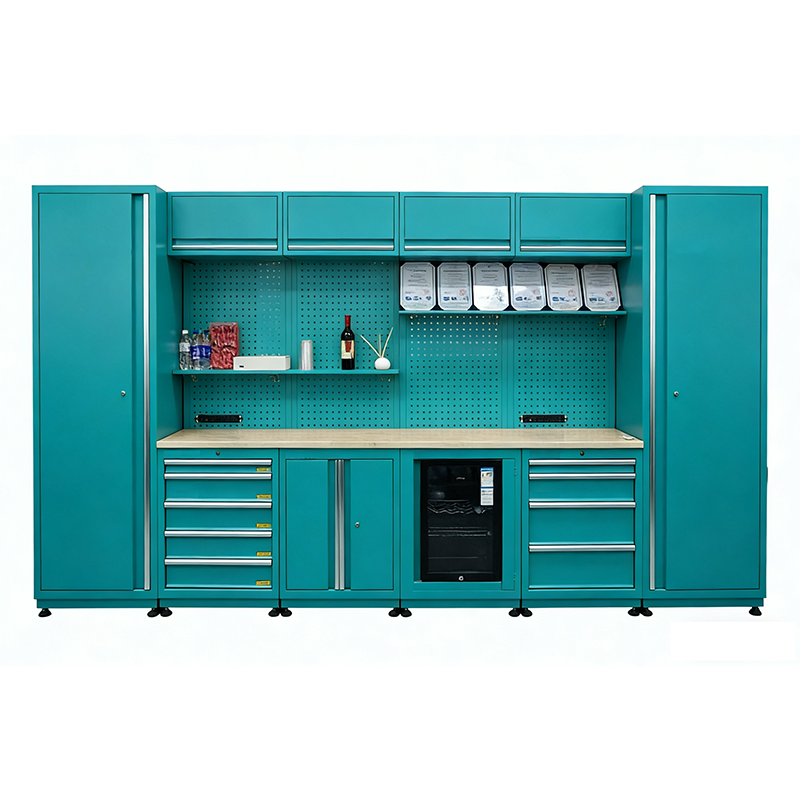
# Workshop Modular Storage Combination Cabinet (Model 719610) Product Introducti...
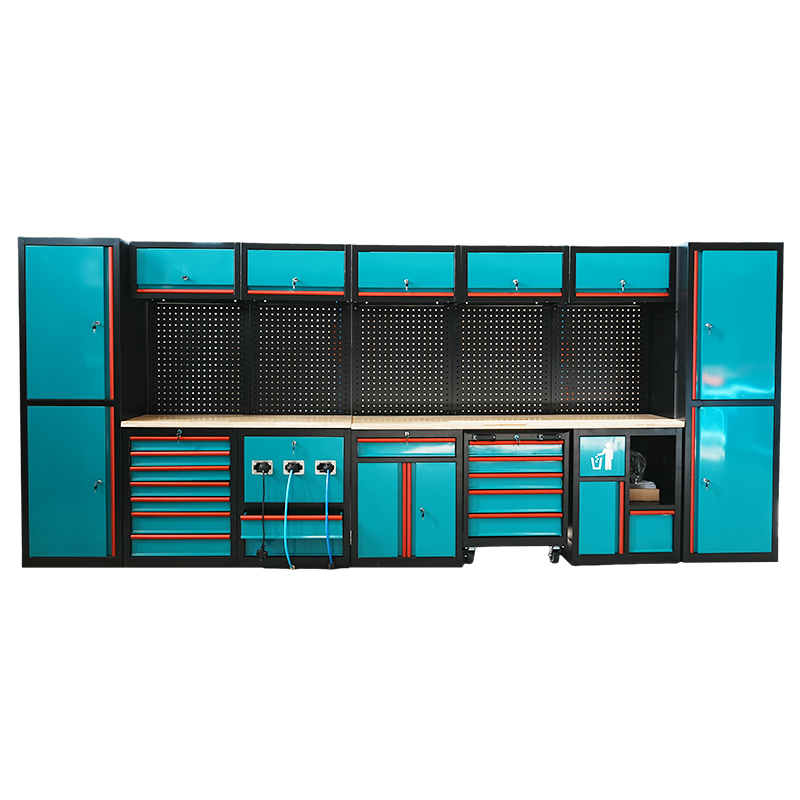
# Multifunctional Workshop Combination Cabinet: Professional Tool Storage and Wo...
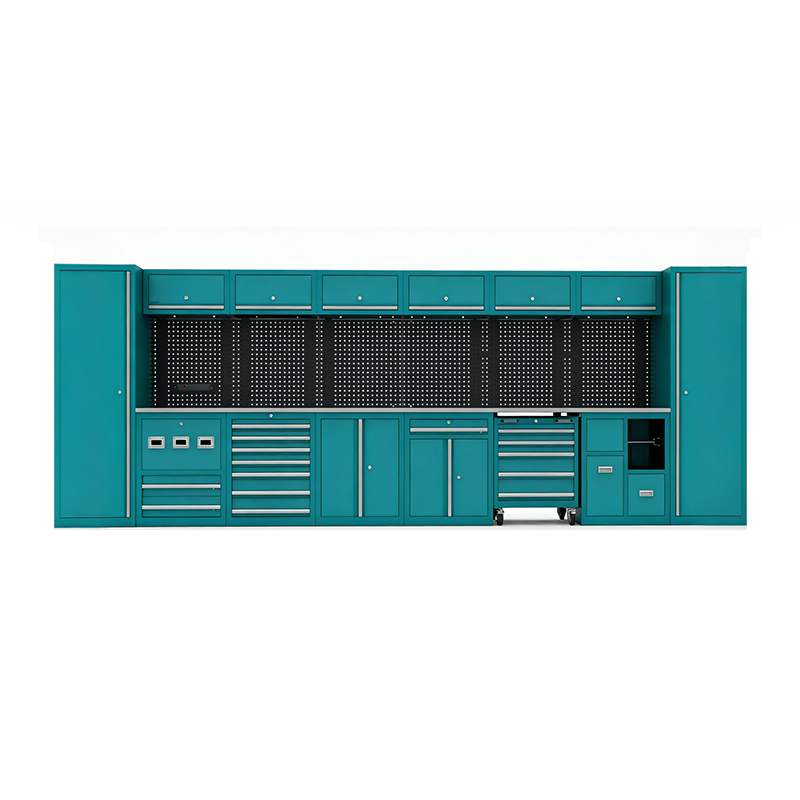
This heavy-duty metal combination cabinet is a top-tier storage solution for wor...
A professional workshop demands robust organizational solutions, and a Garage Storage Combination Cabinet is essential f...
READ MOREA professional workshop demands robust organizational solutions, and a Garage Storage Combination Cabinet is essential f...
READ MOREIn the demanding environment of an industrial workshop, the ability to store, organize, and transport heavy machinery co...
READ MOREIn a professional workshop or industrial setting, organization and accessibility are paramount. A Tool Cart With Drawers...
READ MOREIntroduction: Beyond the Toolbox – Why a Professional Cabinet Matters For any automotive enthusiast or professional mech...
READ MOREChoosing the right storage solution is fundamental to the efficiency and safety of any automotive workshop. A professional Auto Repair Cabinet is more than just a metal box; it is a systematic tool management system designed to withstand rigorous daily use while keeping tools organized and accessible. This guide delves into the key aspects of selecting, utilizing, and understanding the global market for these essential workshop assets, with insights drawn from the manufacturing scale of industry leaders like XINGWOTAI and its subsidiary Shentai, who produce over 10,000 cabinets monthly for markets worldwide.
Investing in a high-quality tool cabinet requires careful evaluation of its technical specifications. Here are the five non-negotiable parameters for professionals.
| Parameter | Professional-Grade Benchmark | Why It Matters |
| Drawer Slide Cycle Life | >25,000 cycles | Ensures smooth operation and reliability over many years of frequent use. |
| Drawer Static Load Capacity | 75kg - 150kg+ | Allows safe storage of heavy power tools, tool sets, and equipment without risk of failure. |
| Primary Material Gauge | 0.9mm - 1.2mm Steel | Provides the structural rigidity to support full loads and resist impact damage in a shop environment. |
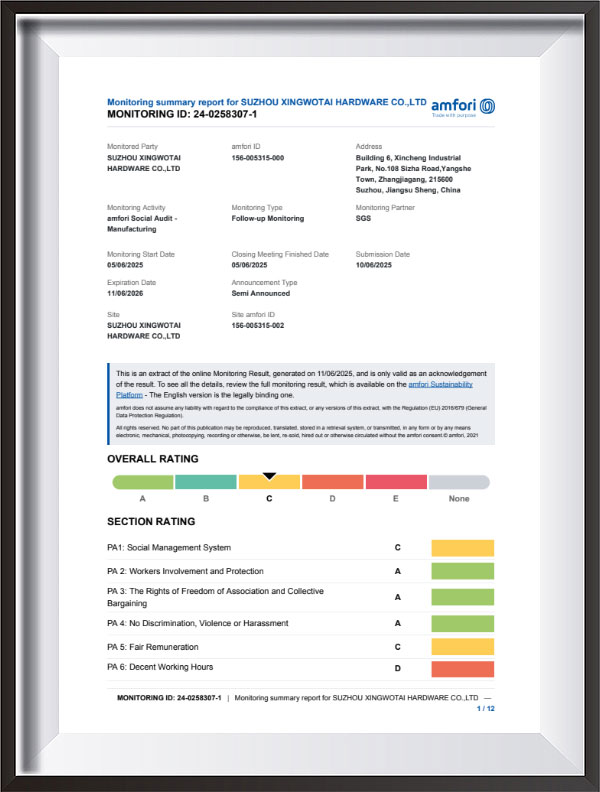
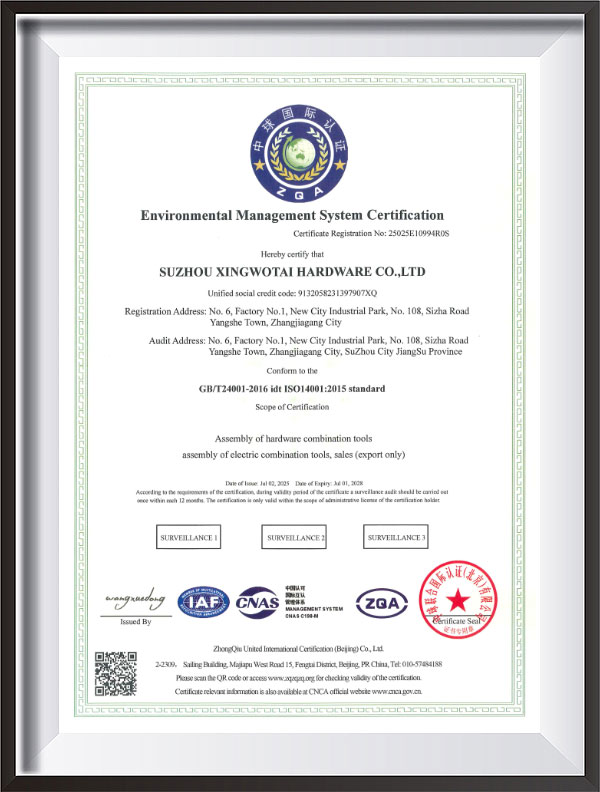
The availability of robust cabinets in global markets is supported by large-scale, sophisticated manufacturing. A prime example is the Shentai factory, a subsidiary of XINGWOTAI. With a facility covering 10,000 square meters and equipped with over 50 pieces of production and processing equipment, it achieves a monthly production target exceeding 10,000 tool cabinets. This scale allows for stringent quality control processes at each stage—from laser cutting and robotic welding to powder coating and final assembly—ensuring consistent product standards that meet the diverse demands of partners in Western Europe, North America, and other major global markets.
Success in the global tool storage market requires adapting to regional standards and user preferences.
A tool cart is a mobile, smaller unit designed for portability, typically holding a technician's most frequently used tools for a specific job. It's highly maneuverable. A full-size Auto Repair Cabinet is a stationary or semi-mobile primary storage solution. It offers vastly greater capacity, superior security with robust locking systems, and higher weight ratings for long-term storage of a complete tool inventory. For a professional shop, a cabinet is the central "warehouse," while carts are the "delivery trucks" for daily tasks.
Efficient organization follows workflow frequency and tool taxonomy:
Absolutely. Modular systems, such as the "3+1" or "6+2" combination cabinets, are the most scalable investment. They allow you to start with a base cabinet and add top chests, side lockers, or even connect multiple units as your tool collection and team expand. This protects your initial investment and prevents the need to replace standalone units later. The flexibility to reconfigure the layout for different workflows or shop spaces adds long-term value that far exceeds the slightly higher upfront cost compared to a non-modular cabinet.
Prioritize these durability-focused features:
Our annual output of more than 100,000 tool cabinet can meet the needs of customers with different purchase volumes.

+86-18658800788
+86-0512-58499000

New City Industrial Park, No. 108 Sizha Road, Yangshe Town, Suzhou, Jiangsu, China

