 en
en  English
 Deutsch
719709 PHIXWELL Three-Layer Auto Repair Tool Cart
This is a **Three-Layer Auto Repair Tool Cart**, a multifunctional mobile maintenance storage device...

In today’s fast-paced work environments, such as auto repair shops, workshops, or construction sites, high-performance tool carts are crucial for productivity, efficiency, and safety. These carts provide easy access to tools, minimize downtime, and reduce the risk of tool loss or damage.
Designed for heavy-duty use, modern tool carts are mobile, secure, and durable, helping workers stay organized while ensuring quick access to tools. Whether you’re in automotive repair, construction, or a DIY project, investing in a quality tool cart can enhance organization and workflow, ultimately boosting productivity.
A high-performance tool cart is a robust and highly durable piece of equipment designed to store, organize, and transport tools efficiently. These carts are constructed with high-strength materials, typically steel, and are built to handle heavy loads without compromising their structure. High-performance tool carts are engineered with a focus on mobility, organization, and long-term durability, making them ideal for a range of work environments, including workshops, automotive repair shops, and construction sites.
Some of the defining features of high-performance tool carts include:
These features make high-performance tool carts an indispensable tool for anyone who works with a variety of equipment and tools daily. Whether you’re storing hand tools, power tools, or specialized accessories, a well-designed tool cart can help keep your workspace organized, improve workflow, and ensure tools are easily accessible.
| Feature | High-Performance Tool Cart | Standard Tool Cart |
|---|---|---|
| Material | High-strength steel, reinforced structure | Standard steel or plastic |
| Load Capacity | 100 kg and above | 50 kg to 100 kg |
| Storage Design | Multi-layered trays, drawers, hooks | Basic trays or single storage space |
| Mobility | High-quality casters, wear-resistant | Standard casters |
| Braking System | Locking mechanism for stability | Usually no braking system |
| Ergonomics | Height-adjustable, user-friendly handles | Basic handle, no ergonomic features |
| Customization | Modular and customizable layouts | Fixed storage space |
| Durability | Long-lasting, designed for industrial use | Suitable for light-duty tasks |
High-performance tool carts come in a wide variety of designs, each designed to meet the specific needs of different industries. Below are the common types of tool carts and the work environments where they are most beneficial.
Automotive repair tool carts are designed to meet the demands of auto mechanics and technicians. These carts are built to handle heavy tools and automotive parts, with features that support the fast-paced and often high-pressure environment of an auto repair shop.
Key Features:
Applications:
Mechanics can store all their tools in one organized space, reducing the time spent searching for the right tool. The cart allows for mobility, so the mechanic can work on multiple vehicles without losing track of tools or equipment.
Multi-functional tool carts are perfect for smaller workshops, DIY enthusiasts, and general-purpose environments. These carts are designed to be flexible, offering storage for a variety of tools across different projects.
Key Features:
Applications:
Ideal for workshops that handle various projects, from woodworking to electrical work. These carts provide easy access to essential tools, improving workflow and reducing clutter.
Heavy-duty tool carts are designed to handle the tough conditions of construction sites. They are built to carry large quantities of heavy tools, with reinforced wheels that can handle rough and uneven terrain.
Key Features:
Applications:
Construction workers need to move large quantities of tools across the site. These heavy-duty carts ensure that tools are securely stored and easily transported, even on uneven ground.
Modular tool carts are customizable and can be adjusted to fit a range of tools. These carts are particularly useful in industrial environments where a variety of specialized tools are used.
Key Features:
Applications:
Manufacturing and assembly line workers can use modular carts to organize tools for specific tasks. The customizable design makes it easy to reconfigure the cart as the work environment evolves.
Mobile tool carts are designed for technicians who move between different work sites. These carts are lightweight, easy to transport, and designed for portability.
Key Features:
Applications:
Field technicians in industries such as HVAC, plumbing, and electrical services rely on these mobile carts to carry their essential tools to different service locations. The ability to easily move the cart from job to job enhances overall efficiency.
Choosing the right tool cart is essential for improving efficiency, organization, and safety. Here’s a quick guide on key factors to consider:
High-performance tool carts offer numerous advantages in both professional and DIY settings. They not only improve efficiency but also ensure that tools are kept organized and secure. Here are some key benefits:
Having a well-organized tool cart with everything in its place significantly reduces the time spent searching for tools. This means less downtime and more focus on completing tasks. Whether you’re working in a fast-paced auto repair shop or managing a construction project, easy access to your tools can save valuable time and improve overall productivity.
Tool carts designed with locking mechanisms and secure compartments help to prevent tools from falling or being misplaced. This reduces the risk of accidents caused by tools being left out or scattered around the workspace. Additionally, tool carts with sturdy wheels and brakes help prevent accidental movement, ensuring that the cart remains stable during work processes.
Tool carts help reduce clutter in the workplace by providing designated storage spaces for each tool. The use of drawers, trays, and hooks ensures that tools are neatly organized and easily accessible, reducing the risk of tool loss and damage. An organized workspace contributes to a safer and more efficient working environment.
The mobility of high-performance tool carts allows users to move their tools from one area to another with ease. Whether it’s a mechanic rolling a cart from one vehicle to another or a construction worker moving tools across a site, the ability to transport tools quickly and efficiently enhances overall workflow.
Maintaining and properly caring for your high-performance tool cart is essential to ensure its longevity, smooth operation, and optimal performance. Regular maintenance not only extends the lifespan of the cart but also ensures that it remains safe and efficient to use. In this section, we will cover the essential maintenance tasks you should perform to keep your tool cart in top condition, as well as tips for handling common issues.
The wheels of a tool cart are one of its most critical components, ensuring that the cart moves smoothly and can support heavy loads. Over time, wheels can become worn down, clogged with debris, or damaged. Regularly inspecting the casters and wheels is important for maintaining mobility.
Maintenance Tips:
Drawers and compartments are vital for organizing tools and keeping them secure. Over time, these drawers can accumulate dirt, grease, or other residues from the tools they hold. Regular cleaning of the drawers and compartments helps to maintain a clean and efficient storage system.
Maintenance Tips:
Regularly checking the bolts, screws, and fasteners on your tool cart is essential for ensuring the structural integrity of the cart. Vibrations and heavy usage can cause these components to loosen, which may affect the cart’s stability.
Maintenance Tips:
To extend the lifespan of your tool cart and prevent unnecessary wear on its wheels and structure, ensure that tools are stored in an organized manner with proper weight distribution.
Maintenance Tips:
If your tool cart is kept outdoors or in a workshop exposed to moisture, dust, or chemicals, it’s important to protect it from environmental damage. Exposure to harsh elements can lead to corrosion, rust, and wear over time.
Maintenance Tips:
The braking system of a tool cart is crucial for ensuring stability when the cart is not in motion. Regularly check the brakes to make sure they are functional and provide the necessary security when the cart is stationary.
Maintenance Tips:
A high-performance tool cart is an essential piece of equipment for any professional or DIY workspace. Whether you are in automotive repair, construction, or general manufacturing, a well-chosen tool cart can significantly improve productivity, organization, and safety. With numerous options available, selecting the right cart for your needs is crucial to maximizing its benefits.
By considering factors such as load capacity, mobility, material quality, and ergonomic design, you can choose a tool cart that will enhance your workflow and stand the test of time. Regular maintenance and care are also key to ensuring that your tool cart remains in top condition for years to come.
High-performance tool carts are built from durable materials like steel and have a higher load capacity, better mobility, and enhanced organization features compared to standard tool carts. They are designed for professional and industrial environments that require heavy-duty performance.
Consider factors like load capacity, mobility, storage design, and material quality. If you work with heavy tools, a high-performance cart with reinforced steel construction and high-quality wheels is recommended. For smaller workshops, a multi-functional or modular cart may be a better fit.
Regular maintenance should be performed every 3-6 months, depending on usage. This includes checking the casters, drawers, and fasteners, cleaning the wheels, and ensuring that the braking system is functioning properly.
Yes, many high-performance tool carts offer modular designs that allow you to customize the storage layout. You can adjust shelves,
drawers, and compartments to accommodate different tools and materials based on your needs.
Yes, some modern tool carts come equipped with smart features like RFID tracking, digital inventory management, and tool usage monitoring, which help improve organization and prevent tool loss.
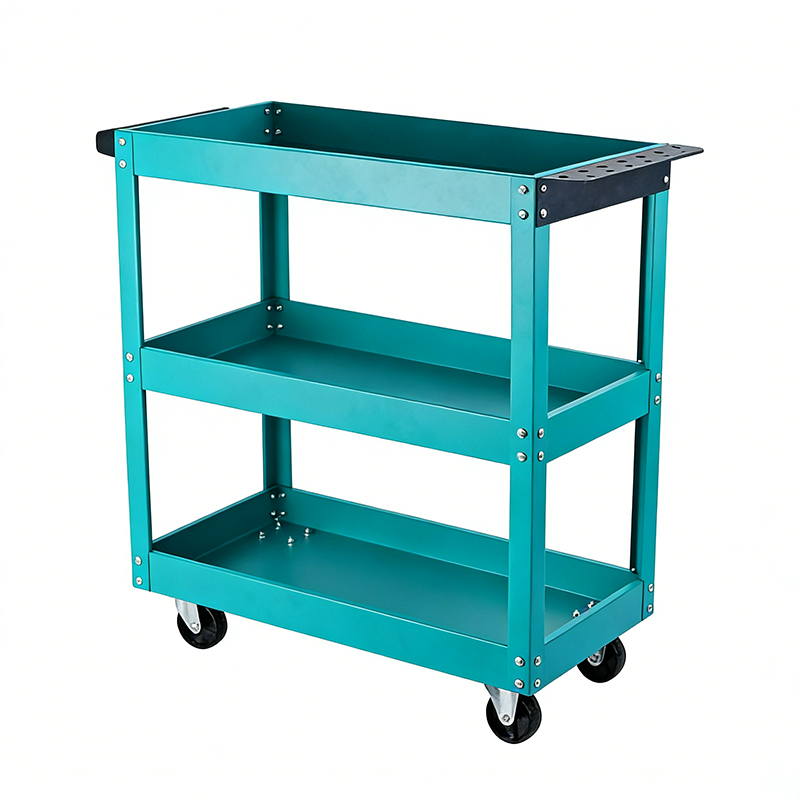
This is a **Three-Layer Auto Repair Tool Cart**, a multifunctional mobile maintenance storage device...
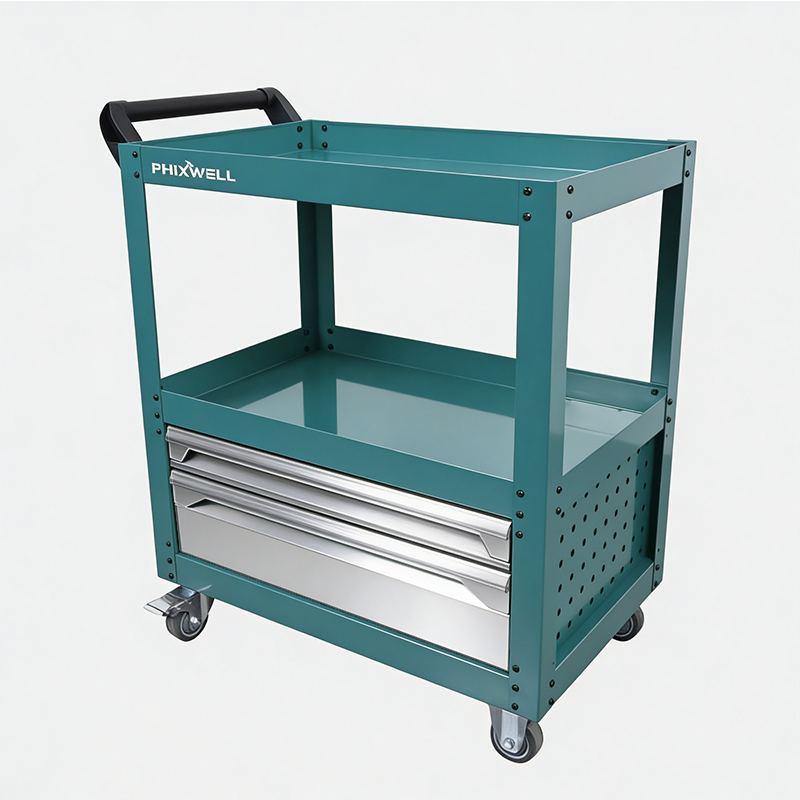
This is a multifunctional tool cart designed specifically for auto repair, maintenance, or industria...
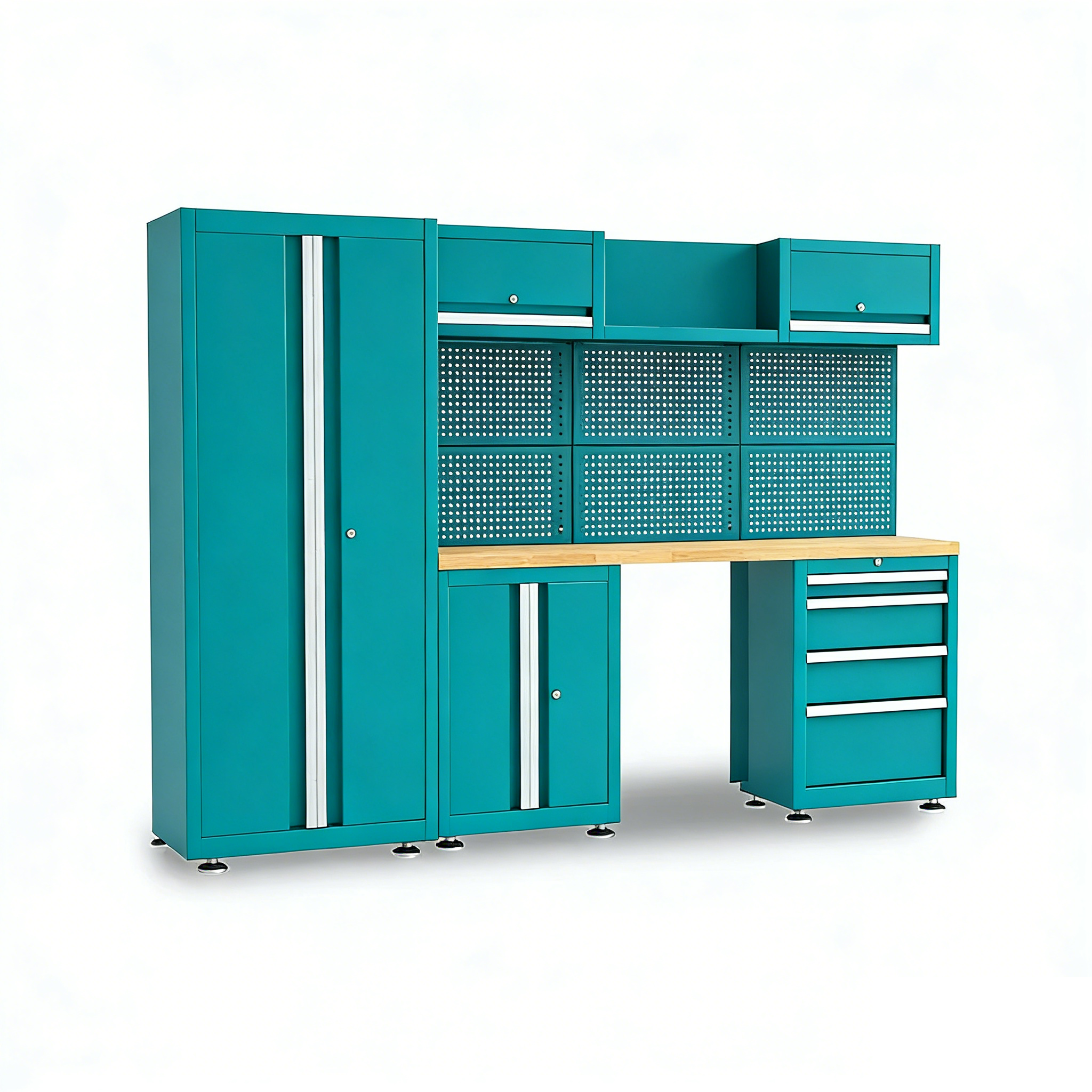
Multifunctional Tool Storage Combination Cabinet Material and appearance: Made of premium cold steel...
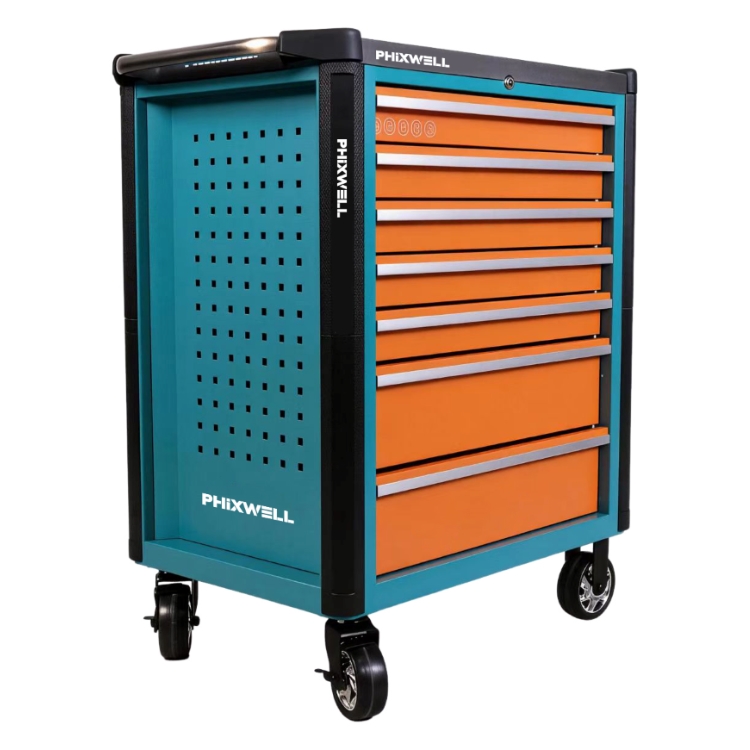
PHIXWELL Professional Rolling Tool Cabinet Product Overview The PHIXWELL rolling tool cabinet is a...
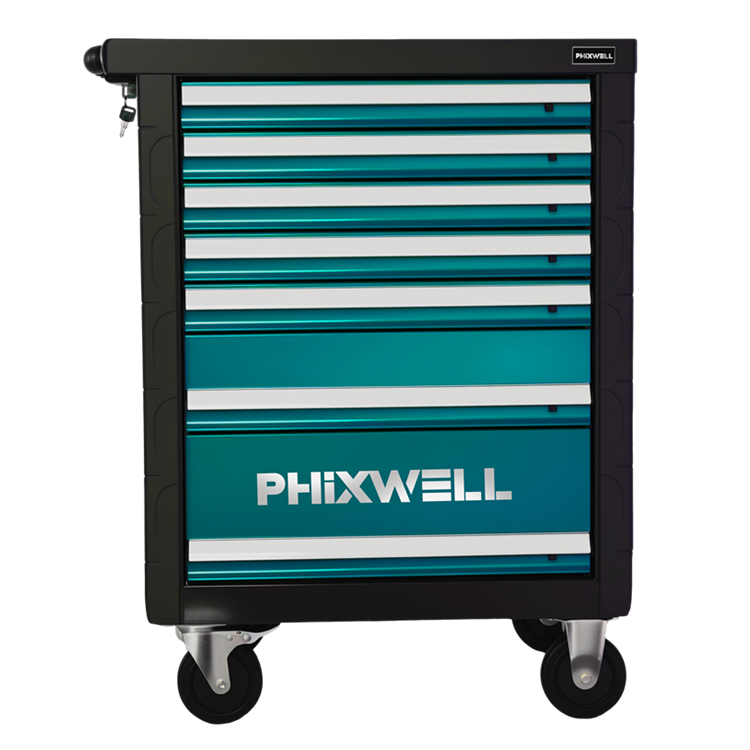
The PHIXWELL 7-Drawer Tool Cabinet (Model 719511) is a premium, versatile mobile storage solution de...
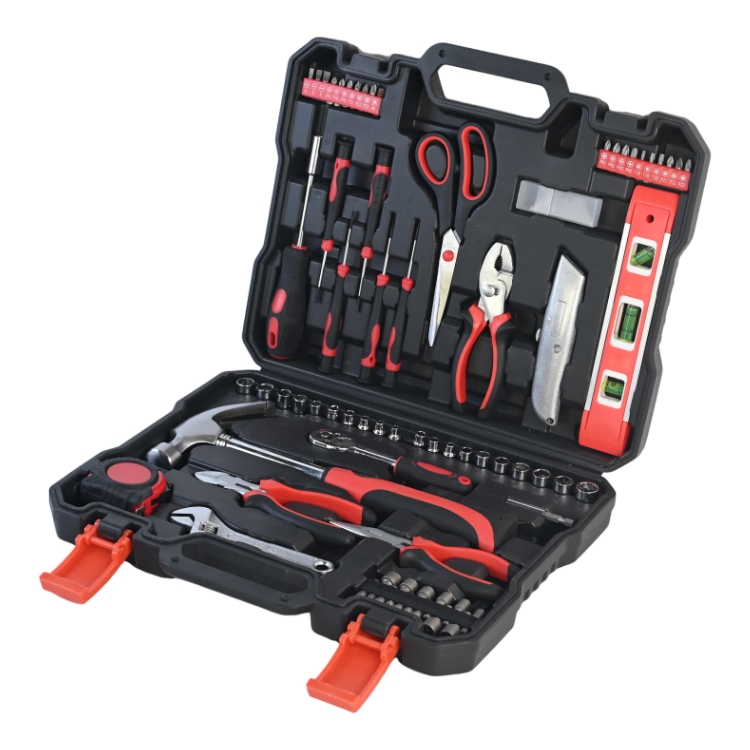
This household tool set is the ideal companion for your home repairs and DIY projects. It includes a...
Content
Our annual output of more than 100,000 tool cabinet can meet the needs of customers with different purchase volumes.

+86-18658800788
+86-0512-58499000

New City Industrial Park, No. 108 Sizha Road, Yangshe Town, Suzhou, Jiangsu, China

