 en
en  English
 Deutsch
Workshop Modular Storage Combination Cabinet
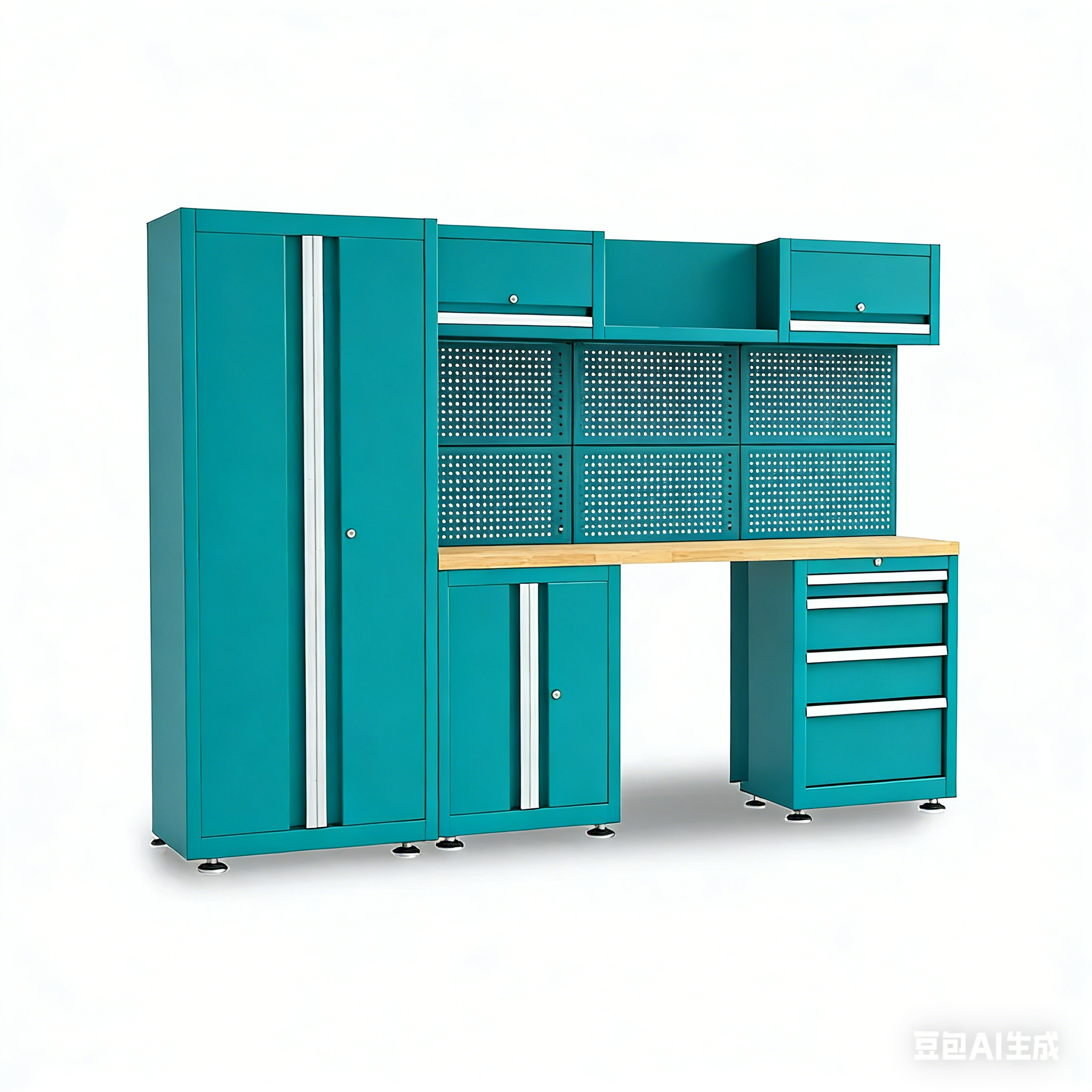
# Workshop Modular Storage Combination Cabinet (Model 719610) Product Introduction This workshop sto...

A garage storage cabinet transforms cluttered workshops into organized, functional spaces by providing enclosed storage for tools, chemicals, and equipment. The selection process begins with understanding four primary cabinet types: wall-mounted units that preserve floor space, floor-standing cabinets that offer maximum capacity, rolling cabinets that provide mobility, and freestanding tall units that serve as the centerpiece of a garage organization system. Steel cabinets deliver the highest durability and weight capacity, with premium models supporting 600 pounds or more across adjustable shelves. Resin and polyethylene alternatives weigh significantly less while offering waterproof and rustproof protection, with high-density polyethylene cabinets achieving capacities up to 680 pounds despite weighing only 68 pounds themselves. Wall-mounted cabinets typically support 100 to 200 pounds total, with their actual capacity depending more on proper stud mounting than on cabinet construction alone. The optimal choice depends on available space, stored item weight, mobility requirements, and environmental conditions such as humidity and temperature exposure.
Material selection directly impacts longevity and performance. Stainless steel and powder-coated steel resist temperature fluctuations, pests, and heavy loads, making them the preferred choice for professional workshops and high-traffic garages. Resin cabinets excel in damp environments and outdoor applications because they never rust, though they may lack the premium feel of metal construction. Wood cabinets provide a classic aesthetic at a lower cost but remain susceptible to moisture damage, rot, and impact damage from tools. For most residential garages, a combination approach works best: steel floor or freestanding cabinets for heavy power tools and chemicals, wall-mounted units for frequently accessed hand tools and fasteners, and overhead storage for seasonal items used only once or twice per year.
Wall-mounted garage storage cabinets maximize vertical space while keeping floors clear for vehicle parking and workspace movement. These units typically measure between 28 and 30 inches in width, 12 inches in depth, and 28 to 30 inches in height, making them compact enough to install above workbenches or between existing storage systems. A 25-gauge stainless steel wall cabinet weighing approximately 33 pounds can support 150 to 200 pounds when properly anchored into wall studs using included bracket systems. Installation requires locating studs, mounting a heavy-duty bracket, and sliding the cabinet into place for secure alignment. This bracket-based mounting method simplifies both installation and future removal if reconfiguration becomes necessary.
The primary advantage of wall-mounted storage is accessibility without sacrificing floor area. Locking double doors secure valuable items and keep hazardous materials away from children, while adjustable interior shelves accommodate items of varying heights. The Manhattan Comfort Fortress floating cabinet exemplifies this category with its 30 by 30.3 by 12.5 inch dimensions, 25-gauge stainless steel construction, and straightforward 30-minute assembly process. The Gladiator Full-Door Wall GearBox offers modular integration into larger wall systems, with magnetic door catches and two adjustable steel shelves supporting 150 pounds total. Wall-mounted units are not ideal for bulky power tools or heavy equipment, but they excel at organizing fasteners, automotive fluids, paint cans, and smaller hand tools that benefit from eye-level visibility.
Proper wall-mounted cabinet installation demands secure fastening into structural framing rather than drywall alone. Even the sturdiest steel cabinet will fail if mounted incorrectly, potentially causing injury and property damage. Installers must use a stud finder to locate framing members, typically spaced 16 inches apart in standard construction, and fasten the mounting bracket with lag bolts or heavy-duty screws rated for the anticipated load. For cabinets installed in garages with finished walls, blocking or plywood backing behind the drywall provides additional anchoring security. The cabinet should sit level and flush against the wall to prevent stress concentration at attachment points. Weight distribution matters: placing the heaviest items on the lowest shelf reduces the overturning moment on the wall fasteners. Never overload wall-mounted cabinets beyond manufacturer specifications, as this is the most common cause of wall-storage failure.
Floor-standing and freestanding cabinets represent the most traditional and versatile garage storage category, offering substantial capacity without installation complexity. These units range from compact 30-inch-wide floor cabinets to full-size 72-inch-tall freestanding systems that function as garage lockers. The Suncast Heavy-Duty Resin Floor Cabinet measures 20.3 by 30 by 36 inches and supports 400 pounds total across multi-walled resin panels with metal reinforcement bars. The Rubbermaid Freestanding Double-Door Cabinet stands 72 inches tall with 36-inch width and supports 680 pounds across four shelves, all while weighing only 68 pounds for easy repositioning. Assembly of resin floor cabinets typically requires no tools and completes in under 20 minutes, making them accessible to homeowners without construction experience.
Freestanding steel cabinets provide the ultimate in durability and capacity. The Kobalt Freestanding Steel Garage Cabinet measures 18.5 by 36 by 72 inches with three adjustable shelves, each rated for 150 pounds and a total capacity of 600 pounds. The comparable Husky Freestanding model at 18 by 36 by 72 inches offers similar 150-pound shelf capacity with a total rating of 622 pounds. These tall units require assembly that typically takes one to two hours and benefits from two-person teamwork to align panels and fasten screws. Freestanding cabinets should be anchored to walls when possible to prevent tipping, particularly in households with children or in earthquake-prone regions. The substantial storage volume of freestanding units makes them ideal for lawn equipment, seasonal decorations, automotive supplies, and bulky power tools that would overwhelm smaller cabinet types.
| Cabinet Type | Material | Dimensions | Total Capacity | Assembly Time |
|---|---|---|---|---|
| Suncast Heavy-Duty | Multi-Wall Resin | 20.3x30x36 in | 400 lb | 20 minutes |
| Rubbermaid Freestanding | Polyethylene | 18x36x72 in | 680 lb | 20 minutes |
| Kobalt Freestanding | Steel | 18.5x36x72 in | 600 lb | 1-2 hours |
| Husky Freestanding | Steel | 18x36x72 in | 622 lb | 1 hour |
Rolling garage storage cabinets combine the capacity of floor units with the flexibility of mobility, allowing users to reposition their workspace as projects demand. These cabinets mount on heavy-duty casters, typically four wheels with two or more locking mechanisms to prevent unintended movement during use. The Seville Classics UltraHD Rolling Cabinet measures 72 by 36 by 18 inches and includes three adjustable shelves plus one fixed base shelf, each supporting 150 pounds for a total capacity comparable to freestanding units. Its stainless steel frame and large smooth-rolling wheels make repositioning effortless even when fully loaded. Built-in cord openings at the back of each compartment accommodate battery chargers and power tool cords, an underrated feature that eliminates cord clutter across work surfaces.
The Manhattan Comfort Fortress Rolling Cabinet at 18.2 by 30.3 by 31.5 inches offers a more compact mobile option with a total capacity of 165 pounds. Assembly requires only a Phillips-head screwdriver and produces a cabinet that feels solid despite side panels that some users describe as slightly flimsy. The Kobalt Rolling Garage Cabinet at 18.5 by 28 by 32.8 inches includes a wood top surface that doubles as a mobile workbench, with an adjustable shelf rated for 100 pounds and total capacity of 200 pounds. Rolling cabinets are not as inherently stable as stationary floor units because caster locks can flex under heavy loads, but their mobility justifies this trade-off for users who frequently reconfigure their garage layout. Combining rolling base units with stationary wall-mounted upper cabinets creates a hybrid system that balances accessibility with stability.
Modular garage storage systems allow homeowners to build customized configurations from standardized components. The Gladiator GarageWorks system uses GearTrack channels rated for 75 pounds per foot, supporting cabinets, hooks, baskets, and specialty hangers in virtually unlimited arrangements. This flexibility accommodates changing storage needs as hobbies evolve, children grow, or equipment upgrades occur. The Excel 75-inch 8-Drawer Garage Storage System exemplifies integrated design, combining a workbench, tall cabinet, wall shelving, and pegboard into a single 2276-millimeter-wide unit weighing 133 kilograms net. Heavy-duty steel construction with powder-coated finish provides rust resistance and long-term durability. Modular systems require more initial planning than standalone cabinets but deliver superior organization efficiency and aesthetic cohesion when properly configured.
Steel remains the dominant material for garage storage cabinets in 2026 due to its unmatched strength, impact resistance, and temperature stability. Powder-coated steel resists corrosion in standard garage environments, while galvanized or stainless steel options provide additional protection in high-humidity or coastal locations where salt air accelerates rust. Steel cabinets typically support 150 to 200 pounds per shelf, with total system capacities ranging from 400 to over 600 pounds. The primary drawback of steel is weight: a fully assembled 72-inch freestanding steel cabinet can exceed 100 pounds, making solo repositioning difficult. Steel panels can also dent or scratch if struck by heavy tools, though these cosmetic issues rarely affect structural integrity.
Resin and polyethylene cabinets have advanced significantly in recent years, with high-density formulations achieving load capacities that rival entry-level steel units. The Rubbermaid 72-inch polyethylene cabinet at 68 pounds supports 680 pounds, demonstrating that plastic construction need not imply weakness. Resin cabinets are inherently waterproof, rustproof, and resistant to most automotive chemicals, making them ideal for storing fertilizers, cleaning supplies, and other moisture-sensitive materials. They clean easily with soap and water and never require painting or rust treatment. However, resin can become brittle in extreme cold and may warp if exposed to sustained high temperatures near engines or furnaces. For most residential garages in moderate climates, resin provides an excellent balance of durability, low maintenance, and manageable weight.
Modern garage cabinets incorporate features that extend beyond basic storage. Locking doors are essential in households with children, preventing access to sharp tools, power equipment, and hazardous chemicals. Many steel cabinets include keyed locks or padlock hasps as standard equipment. Adjustable shelving allows reconfiguration as storage needs change, with most freestanding units offering three to four shelf positions. Built-in pegboard panels on interior doors or cabinet sides provide hanging storage for hand tools without consuming shelf space. Cord management grommets enable charging station integration, keeping power tool batteries organized and ready for use. Some premium systems include interior lighting activated by door opening, improving visibility in dimly lit garages. Butcher block or wood composite tops on rolling and freestanding units create durable work surfaces for assembly and repair tasks, eliminating the need for a separate workbench in compact garages.
Effective garage organization begins with accurate measurement and thoughtful space planning. Standard single-car garages typically offer 12 by 20 feet of floor area, while two-car garages provide 20 by 20 feet or larger. Before purchasing cabinets, measure available wall length, ceiling height, and the clearance required for vehicle doors to open without obstruction. Allow a minimum of 36 inches of walkway space between cabinets and vehicle sides for safe passage. Wall-mounted cabinets should install with their bottoms at least 18 inches above workbench height to prevent head strikes and allow task lighting underneath. Floor cabinets positioned against walls should not block electrical outlets, hose bibs, or garage door tracks.
Vertical space utilization distinguishes well-organized garages from cluttered ones. Overhead storage racks and ceiling-mounted cabinets store seasonal items, luggage, and holiday decorations that would otherwise consume valuable floor and wall space. Most high-quality overhead systems support between 150 and 350 kilograms depending on mounting configuration and ceiling structure. Slatwall or PVC wall panel systems transform entire walls into customizable storage surfaces, with hooks, baskets, and small shelves repositionable without tools. This adaptability proves invaluable for active households whose storage needs shift between gardening season, winter sports, and summer recreation. A comprehensive garage storage plan typically combines one or two freestanding or floor cabinets for bulk storage, wall-mounted units for frequently accessed items, slatwall panels for tools and sports equipment, and overhead racks for seasonal overflow.
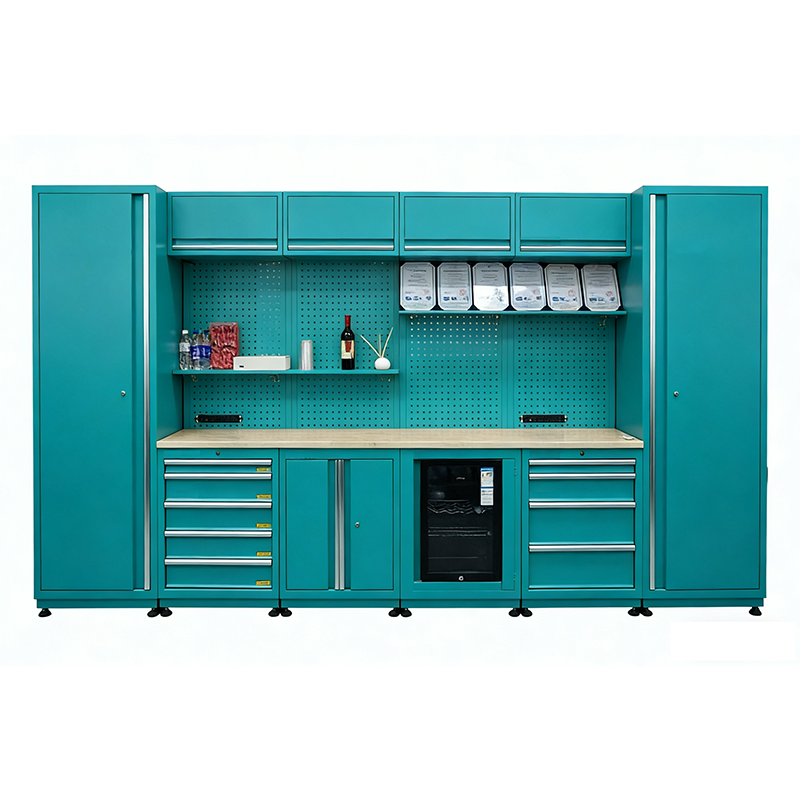
# Workshop Modular Storage Combination Cabinet (Model 719610) Product Introduction This workshop sto...
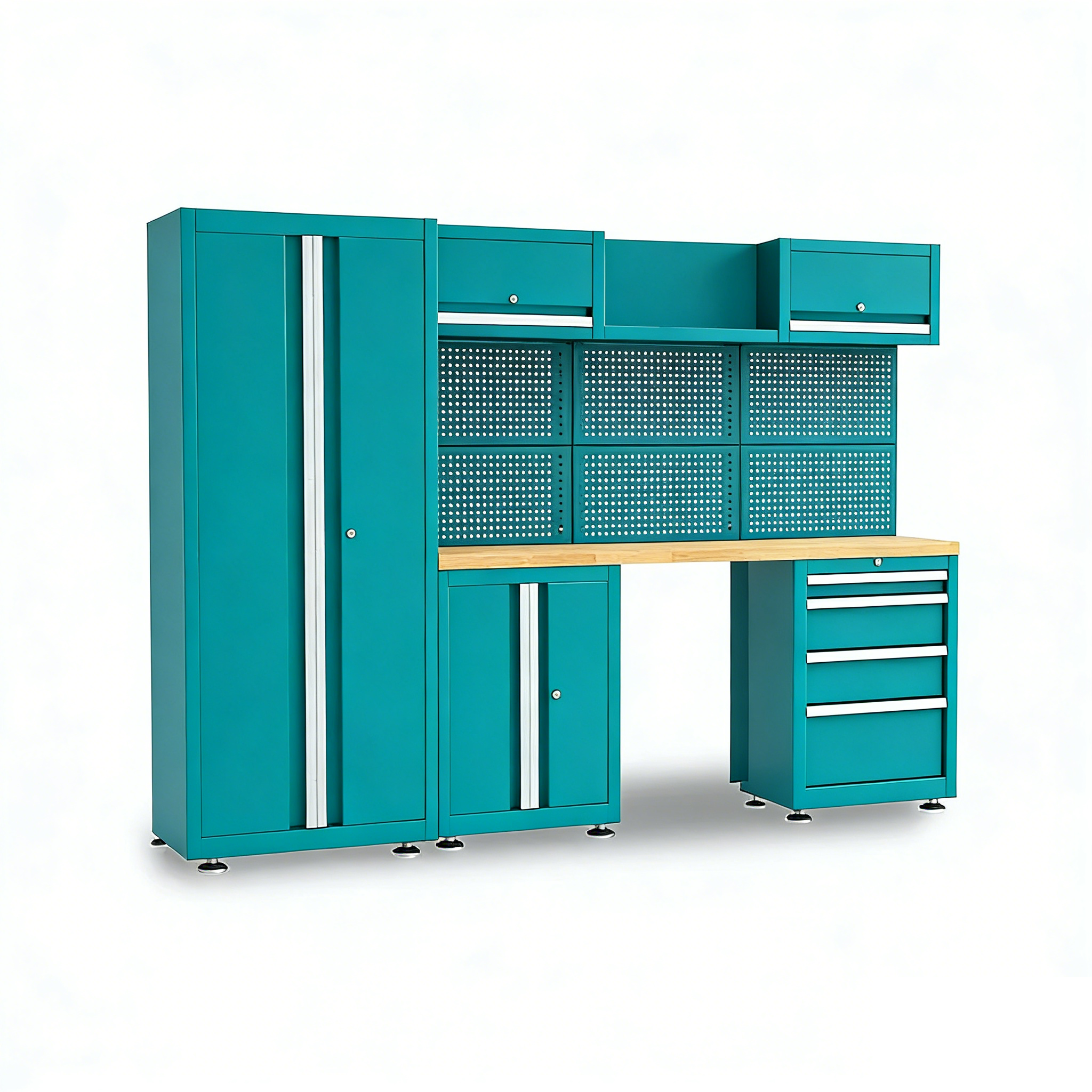
Multifunctional Tool Storage Combination Cabinet Material and appearance: Made of premium cold steel...
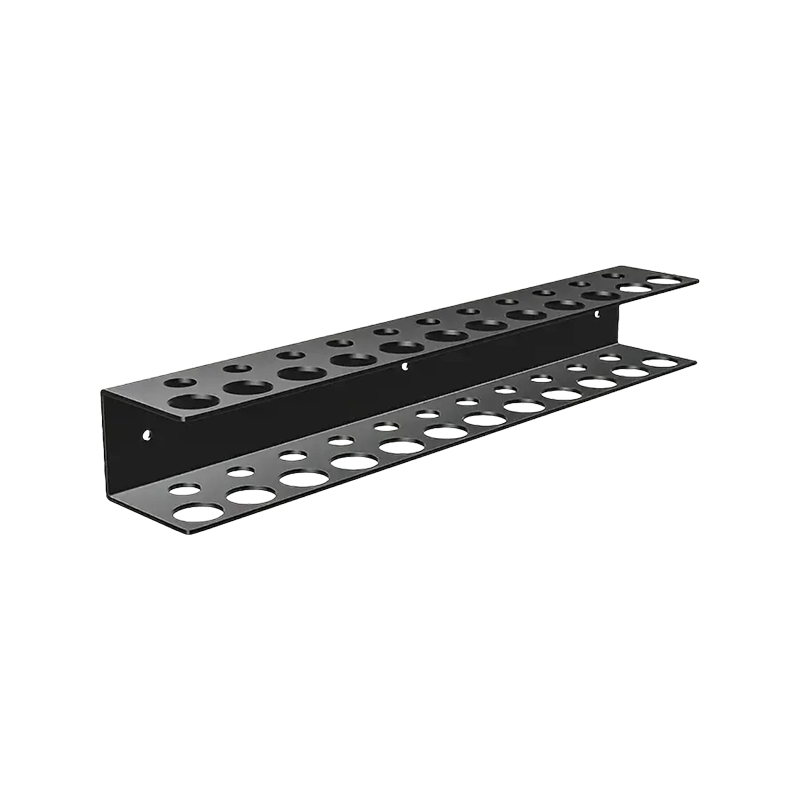
Clear classification: Usually, there are multiple independent slots or hooks, which can be divided a...
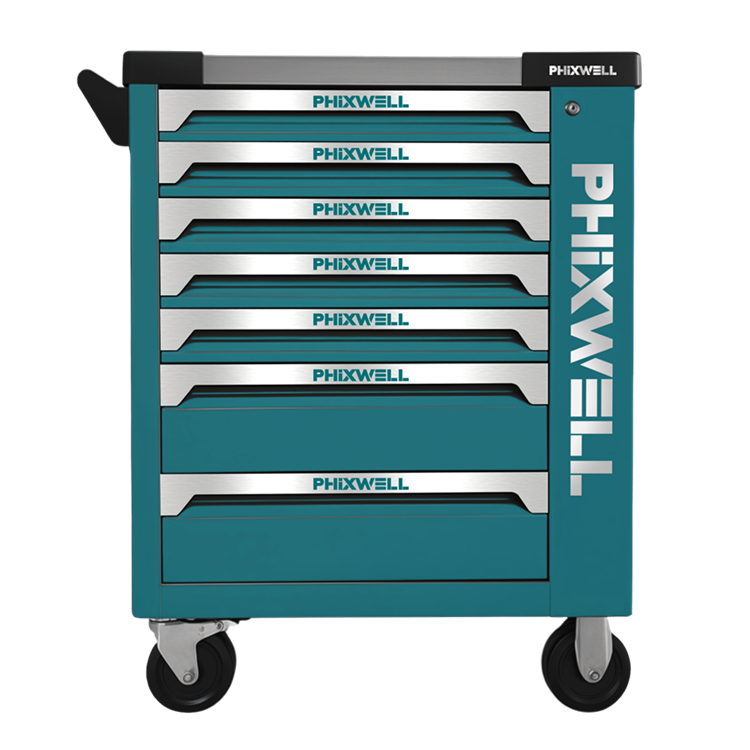
The tool cart group provides a set of tools to solve the problem of tool confusion and difficulty in...
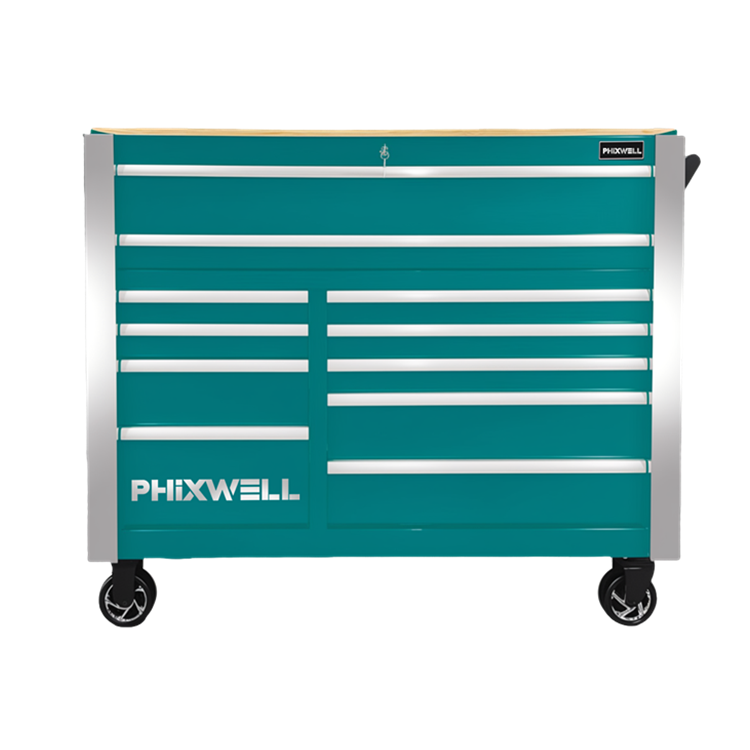
Prevent insufficient tool protection: Avoid rusting, collision or calibration failure caused by long...
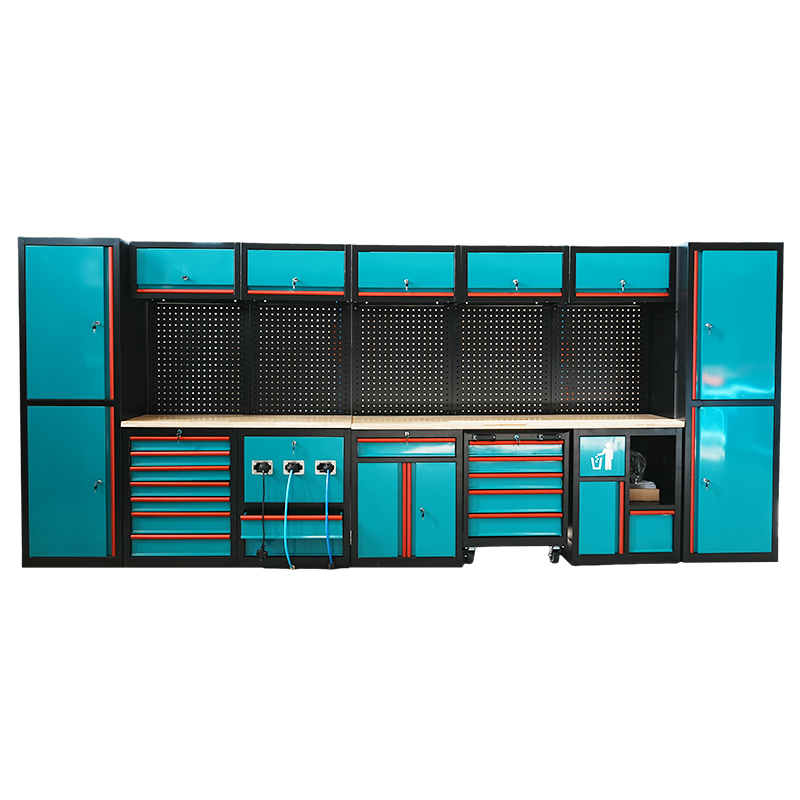
# Multifunctional Workshop Combination Cabinet: Professional Tool Storage and Work Integrated Soluti...
Our annual output of more than 100,000 tool cabinet can meet the needs of customers with different purchase volumes.

+86-18658800788
+86-0512-58499000

New City Industrial Park, No. 108 Sizha Road, Yangshe Town, Suzhou, Jiangsu, China

