 en
en  English
 Deutsch
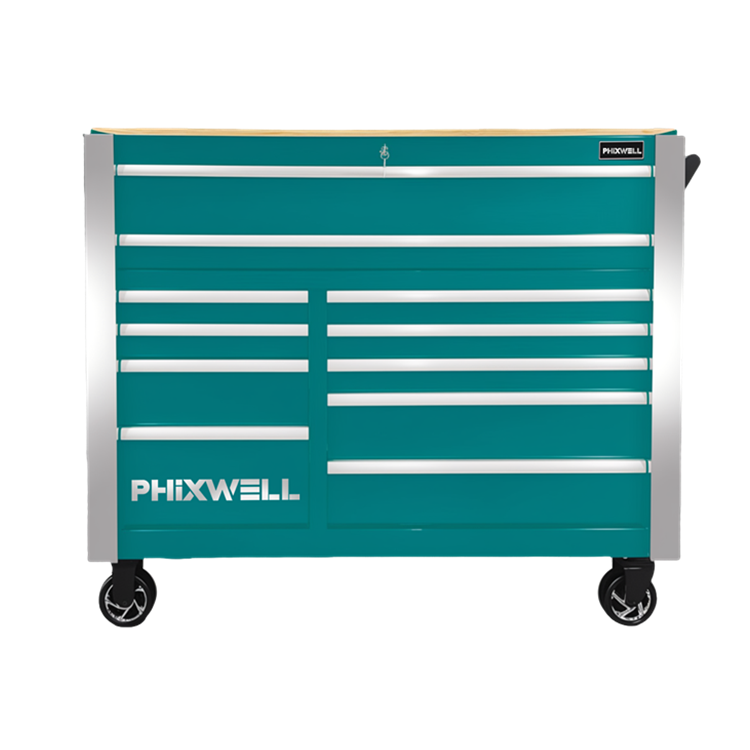
719515 PHIXWELL 12 drawers tool cabinet
The PHIXWELL 12-Drawer Tool Cabinet is constructed from high-strength steel for ...

Integrating both fixed and mobile storage needs, this category offers a variety of tool cabinets and trolleys. Tool cabinets are made with high-quality materials and come in various structures, including drawer and cabinet styles, to meet the long-term safe storage requirements of heavy-duty tools in workshops and warehouses. Tool trolleys are constructed from high-strength welded materials, equipped with silent swivel wheels and brakes. The trolleys feature multi-layered trays or drawers, allowing for flexible movement of tools between different workstations, suitable for mobile work scenarios such as auto repair and construction sites. All products are rust-proofed, have excellent load-bearing capacity, and balance the stability of fixed storage with the convenience of mobile storage.
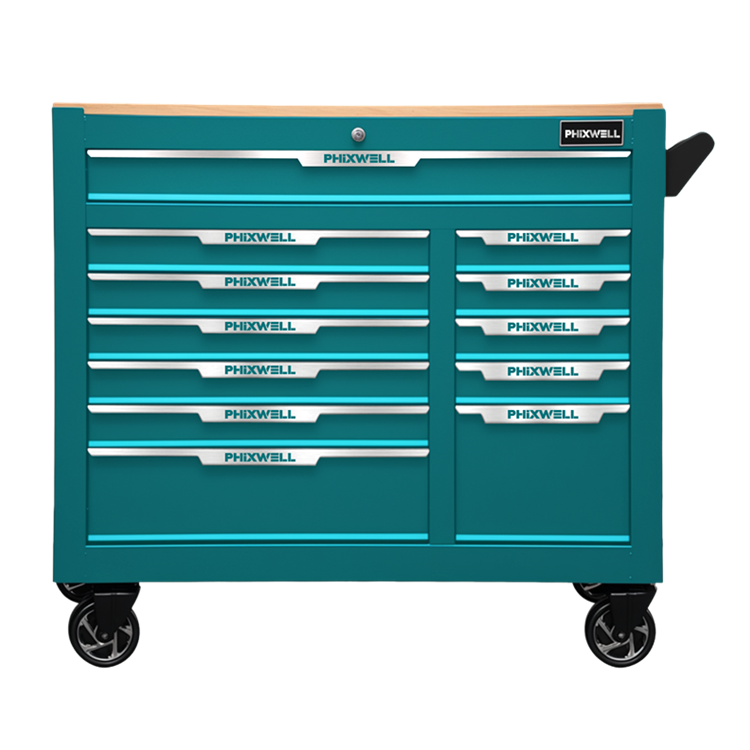
The PHIXWELL 12-Drawer Tool Cabinet is constructed from high-strength steel for ...
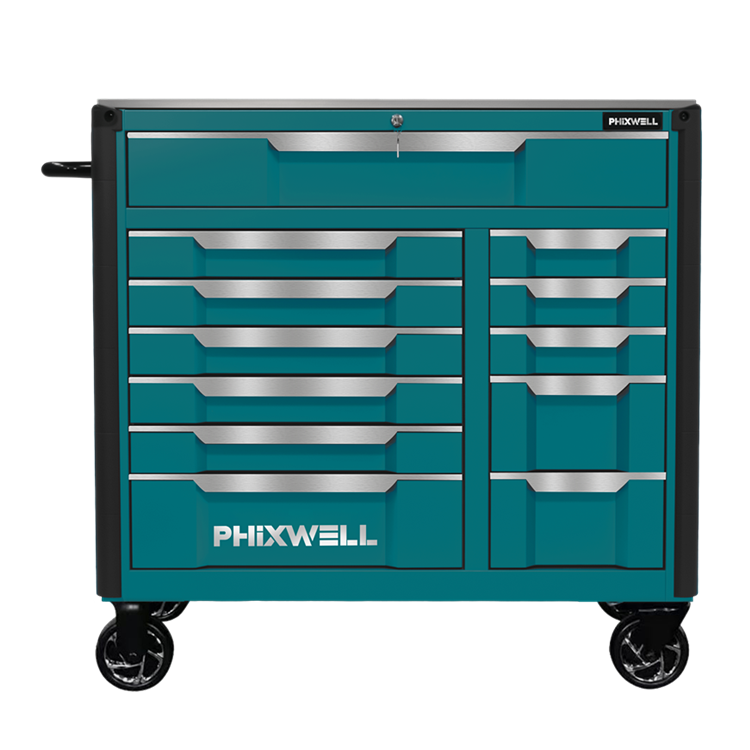
The newly launched PHIXWELL 12-Drawer Tool Cabinet is made of high-strength stee...
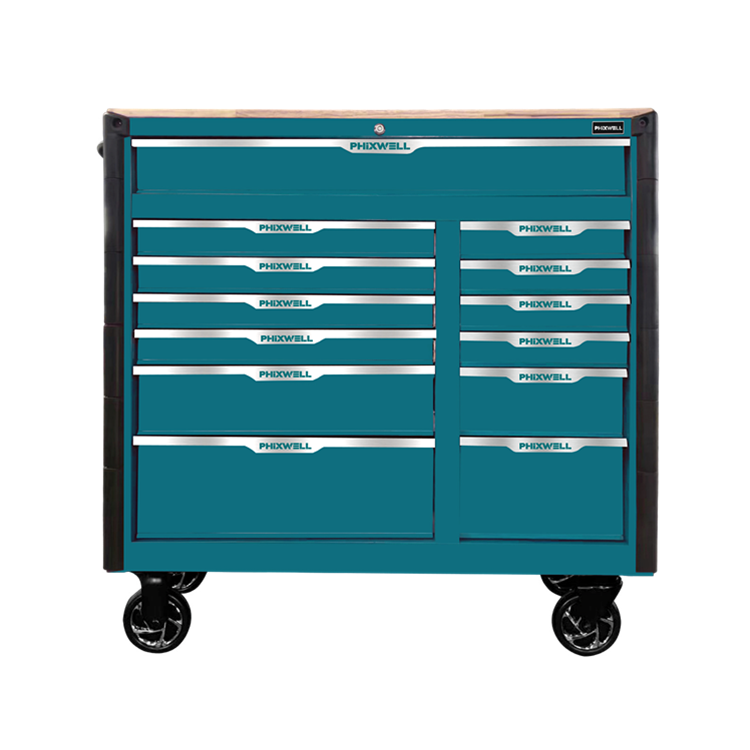
The PHIXWELL 13-Drawer Large Tool Cabinet is designed for efficient tool storage...
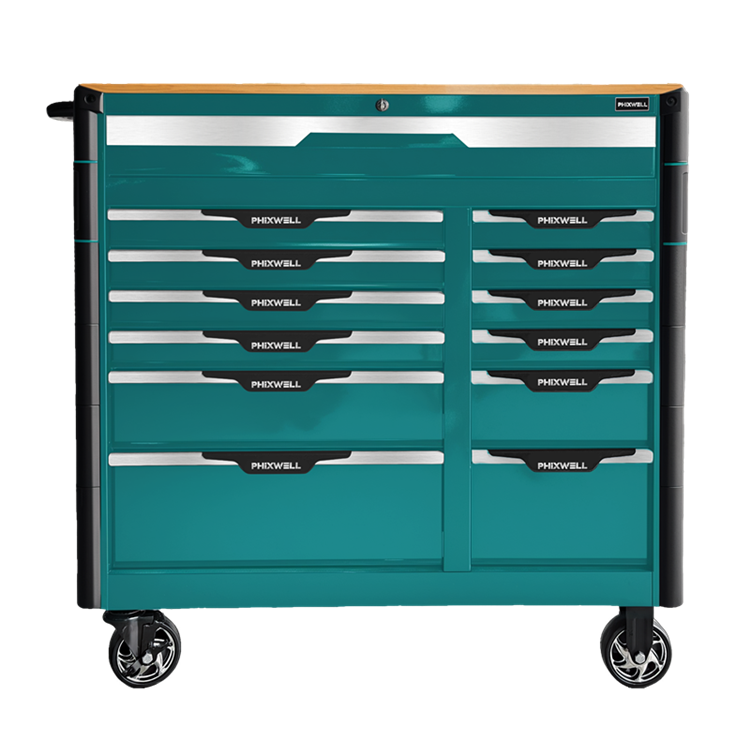
The PHIXWELL 719519 13‑Drawer Tool Cabinet is a heavy‑duty storage solution engi...
Prevent insufficient tool protection: Avoid rusting, collision or calibration fa...
A professional workshop demands robust organizational solutions, and a Garage Storage Combination Cabinet is essential for maximizing efficiency. When assessing the functionality of these units, the primary technical consideration is the structural integrity and load-bearing capacity of the individual shelves. For engi...
READ MOREA professional workshop demands robust organizational solutions, and a Garage Storage Combination Cabinet is essential for maximizing efficiency. When assessing the functionality of these units, the primary technical consideration is the structural integrity and load-bearing capacity of the individual shelves. For engi...
READ MOREIn the demanding environment of an industrial workshop, the ability to store, organize, and transport heavy machinery components and precision instruments safely is paramount. A Mobile Tool Storage Cabinet is not just a storage unit; it is a critical piece of infrastructure designed to enhance productivity. However, un...
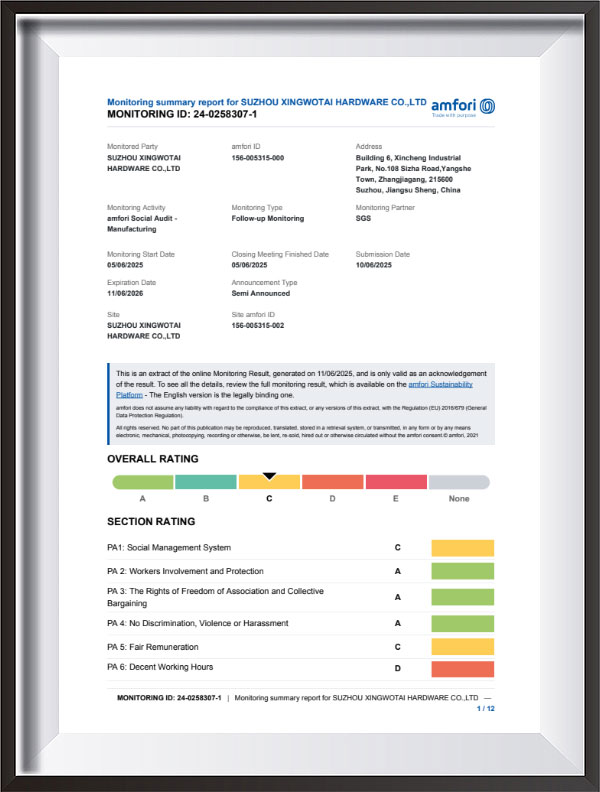
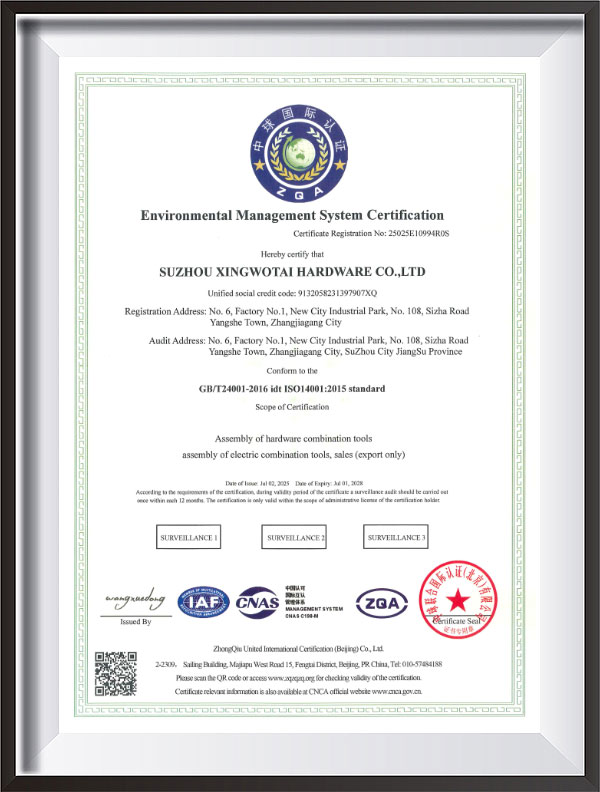
READ MOREIn any professional workshop, from automotive repair to industrial manufacturing, efficient tool storage and access are fundamental to productivity. Selecting the right Tool cabinet & tool trolley system is a critical decision that impacts workflow, tool safety, and long-term value. This guide provides a comprehensive overview, combining industry insights with the manufacturing expertise of global producers like XINGWOTAI, whose large-scale operations, including their Shentai factory with a monthly capacity of over 10,000 units, supply markets worldwide.
Understanding the distinct roles of tool cabinets and trolleys is the first step in building an efficient workspace. The table below outlines their primary functions:
| Product Type | Primary Function | Ideal Use Case | Key Features |
| Tool Cabinet | Fixed, high-capacity storage and organization. | Centralized, long-term storage of a complete tool inventory in a workshop or garage. | Multiple heavy-duty drawers, lockable security, high static load capacity. |
| Tool Trolley | Mobile tool transportation and task-side access. | Dynamic work environments like auto repair bays or construction sites where tools must move with the technician. | Robust casters with brakes, multi-layer trays/drawers, moderate capacity for task-specific tools. |
| Combination/ Hybrid Systems | Integrates fixed storage with mobility. | Workshops needing flexible layouts; a cabinet on casters serves as a movable base station. | Cabinet structure mounted on heavy-duty wheels, often with a workspace top. |
To assess a professional-grade unit, look beyond price and focus on these critical specifications:
Meeting international standards requires specific adaptations. Manufacturers serving a global market, such as XINGWOTAI with its products in Western Europe and North America, must tailor their designs:
The industry is evolving from passive storage to active productivity hubs. Leading manufacturers are incorporating features that enhance the user experience:
This depends entirely on your workflow. For most professionals, the optimal setup is a combination:
For smaller shops or individuals, a heavy-duty tool cabinet on casters can effectively serve both roles as a mobile base station.
Focus on the components that bear the most stress:
Manufacturers that supply professional markets typically design their trolleys to pass rigorous dynamic stability and load tests.
Gauge is a measurement of metal thickness, where a lower number indicates thicker, stronger steel. For professional tool cabinets:
Reputable manufacturers will often specify the gauge used in their product descriptions or technical sheets.
For many modern technicians, these integrated features offer tangible quality-of-life improvements that can justify the cost:
It represents the industry trend of creating multifunctional, user-centric workstations.
Our annual output of more than 100,000 tool cabinet can meet the needs of customers with different purchase volumes.

+86-18658800788
+86-0512-58499000

New City Industrial Park, No. 108 Sizha Road, Yangshe Town, Suzhou, Jiangsu, China

